World’s Most Famous Specialty Coffee Origins Explained
You’ve heard the names—Kopi Luwak, Jamaican Blue Mountain, Hawaiian Kona—but what makes these coffees so legendary? Whether you're a curious beginner or a seasoned enthusiast, understanding the true stories behind the world’s most iconic coffees reveals why they command attention, controversy, and premium prices.
In short: there are around 12 globally recognized specialty coffee origins, each with unique growing conditions, processing methods, and flavor profiles—from civet-digested beans in Indonesia to volcanic slopes in Hawaii. Their rarity, history, and taste set them apart in the specialty coffee world.
Kopi Luwak: The Controversial Civet Coffee
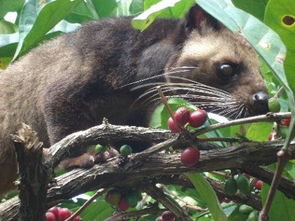
Kopi Luwak, also known as civet coffee, originates from Indonesia. The coffee cherries are eaten by civets (a type of small mammal), partially digested, and then excreted. The beans ferment in the animal’s digestive tract, are collected from feces, and processed for brewing. Proponents praise its unique, smooth flavor, though ethical and environmental concerns persist. Due to shrinking wild civet populations and limited production, genuine Kopi Luwak is rare and highly sought after.
Jamaican Blue Mountain: Japan’s Favorite Premium Bean
Blue Mountain Coffee comes exclusively from Jamaica’s Blue Mountain region, grown at elevations above 1,800 meters. Only 15% of the region’s output can be labeled as certified Jamaican Blue Mountain Coffee. The rest is classified as Jamaica High Mountain Supreme (457–1,524m) or Jamaica Prime (274–457m). True Blue Mountain coffee is delicate, sweet, mildly acidic, and smooth—with annual production limited to just 40,000 bags. Japan controls around 90% of the market, making it extremely scarce elsewhere. Only four estates—Wallenford, JABLUM, Silver Hill, and Moy Hall—are authorized to process and export it, with each bag labeled by origin estate.
Yemeni Mocha: The Queen of Complex Flavors
Mocha coffee, often called the “queen” of coffees, hails from Yemen’s rugged highlands at 900–2,400 meters. It’s considered the world’s oldest cultivated coffee and offers an extraordinarily complex flavor profile: red wine, berries, spices, chocolate, and tobacco. The small beans are prized for their intense aroma, bright citrus acidity, and lingering, velvety finish. Often compared to a fine Bordeaux, Yemeni Mocha delivers layered tasting notes that evolve with every sip. Its ancient heritage and distinctive cup profile make it a favorite among specialty coffee historians.
Cuban Crystal Mountain: The Caribbean’s Blue Mountain Counterpart
Cubita Coffee, often referred to as Cuban Crystal Mountain coffee, comes from Cuba’s central mountain region rich in quartz and minerals. This area is likened to Jamaica’s Blue Mountains, and the coffee is sometimes called “Cuba’s Blue Mountain.” Production is limited, making it rare and often expensive. The flagship Cubita brand uses hand-picked, washed beans to ensure quality. It’s known for a balanced cup with smooth acidity, a silky mouthfeel, and a uniquely sweet, elegant profile. Recognized as the Cuban ambassador’s official coffee, it represents the Caribbean’s finest single-origin offerings.
Sumatran Mandheling: Earthy and Bold
Indonesia’s Sumatran Mandheling coffee is grown at 750–1,500 meters, predominantly from rare Arabica beans in a region known for mostly Robusta production. The coffee is bold, full-bodied, and features low acidity with prominent notes of dark chocolate, molasses, and a slight carbon-like roastiness. Its heavy mouthfeel and deep flavors make it a favorite for those who enjoy intense, savory cups.
Hawaiian Kona: The Volcanic Gem
Hawaiian Kona coffee beans are celebrated for their large, glossy appearance and vibrant acidity. Grown on the volcanic slopes of Hawaii, these beans benefit from rich soil and ideal microclimates. The coffee offers a clean, bright cup with balanced sweetness and mild acidity, often described as smooth and refined—like a well-bred fruit. Kona’s reputation for quality is supported by careful cultivation and volcanic terroir, resulting in a truly distinctive island coffee.

Brazilian Coffee: The World’s Largest Producer
Brazil produces nearly 30% of the world’s coffee, known for its low-acidity, smooth, and slightly sweet profile with hints of grassy or nutty notes. The country’s vast output includes both Arabica and Robusta, with Brazilian beans frequently used in blends for their round body and gentle flavor. While it may lack the bold extremes of other origins, Brazilian coffee is valued for its consistency and approachable cup.
Colombian Coffee: Consistent and Classic
Colombia is the second-largest coffee producer globally, and its specialty-grade beans—especially Colombian Supremo—are widely respected. Grown at high elevations, these Arabicas are known for their balanced acidity, medium body, and notes of caramel and citrus. Colombian coffee is often used as a benchmark for quality and consistency in the specialty world.
Kenyan AA: Auction-Favorite Excellence
Kenya AA is sourced from high-altitude farms (1,500–2,100m) and is renowned for its intense acidity, deep sweetness, and complex fruit flavors. Graded as one of Kenya’s top quality levels, AA beans are sold through a weekly auction system managed by the Kenya Coffee Board. The cup is vibrant and structured, often with blackcurrant or citrus notes, and is highly prized by specialty roasters worldwide.
Ethiopian Harar: Ancient and Aromatic
Ethiopian Harar coffee grows between 900–2,700 meters, particularly in the country’s eastern highlands. The beans are known for their oval shape, medium acidity, and rich dry fragrance with hints of wine and spice. The cup delivers a bold, fruity profile with a distinct black-chocolate finish and classic mocha-like character. Harar is one of Ethiopia’s oldest and most aromatic coffee regions.
Guatemalan Antigua: Volcanic and Sophisticated
Guatemalan Antigua coffee is grown in a region shaped by periodic volcanic activity, cool nights, and mineral-rich soil. Made from Bourbon variety beans, it features a strong acidity, wine-like complexity, and a spicy, smoky edge. The coffee is respected for its refined profile and is often used in blends or savored as a single origin.
Puerto Rican Yauco Selecto: A Noble Historic Bean
Puerto Rico’s Yauco Selecto coffee was once favored by European royalty in the 19th century. Grown in rich clay soils using heirloom varieties, it offers a sweet, well-balanced cup with lingering notes and no bitterness. Though production is limited and yields are low, the coffee remains highly regarded for its elegance and depth.
Ecuador Galapagos: Pristine and Untouched

Ecuador’s Galapagos Islands host some of the highest-altitude Arabica plantations in the world. The coffee, especially from the Galapagos-grown variety, is celebrated for its purity—grown without chemical inputs—and consistent quality. The beans are larger and heavier, with a clean, crisp profile. Due to limited farming land, Galapagos coffee is increasingly rare and treasured for its untouched terroir.
Frequently Asked Questions
What is Kopi Luwak and why is it controversial?
Kopi Luwak is coffee made from beans that have been eaten and excreted by civets. The fermentation process in the animal’s gut is said to create a smoother cup, but ethical concerns over civet treatment and environmental impact have made it highly controversial. Genuine Kopi Luwak is also very rare due to limited production.
Where is Jamaican Blue Mountain coffee grown?
Jamaican Blue Mountain coffee is grown only in Jamaica’s Blue Mountain region at elevations above 1,800 meters. Only beans from this specific altitude can be labeled as certified Jamaican Blue Mountain Coffee, and production is tightly controlled by just four authorized estates.
Why is Yemeni Mocha coffee so unique?
Yemeni Mocha coffee is considered the world’s oldest cultivated coffee, grown in rugged highlands at 900–2,400 meters. It offers an extraordinarily complex flavor profile with notes of wine, berries, spices, and chocolate, and is renowned for its layered tasting experience and historical significance.
What makes Hawaiian Kona coffee special?
Hawaiian Kona coffee is grown on volcanic slopes in Hawaii, producing large, glossy beans with bright acidity and balanced sweetness. The coffee is smooth, refined, and cultivated in ideal microclimates, making it one of the most respected single-origin coffees in the world.
Why is Ethiopian Harar coffee so aromatic?
Ethiopian Harar coffee, grown at 900–2,700 meters, is known for its oval beans, wine-like dry fragrance, and complex cup profile. It features fruity acidity, a bold body, and a distinctive black-chocolate finish, making it one of the most aromatic and historic coffees in the world.
Recommended FrontStreet Beans for Specialty Origins
For fans of global specialty coffee profiles, try FrontStreet’s Ethiopia Yirgacheffe for bright floral and citrus notes, FrontStreet Colombia Huila for balanced caramel and almond sweetness, and FrontStreet Sumatra Mandheling for deep earthy tones with chocolate and spice. These beans represent some of the world’s most iconic origins. Freshly roasted within 5 days · Orders placed before 17:00 ship the same day · Next-day delivery across most of Guangdong Province.
FrontStreet Coffee is a long-established specialty coffee roaster in Guangzhou China, selling freshly roasted beans from its own farm in Yunnan as well as dozens of carefully selected single-origin beans from around the world for both pour-over and espresso. The products deliver consistently excellent quality and great value, with shipping within 24 hours. Guangzhou's FrontStreet Coffee shop is recommended by many coffee lovers, and the beans are now available online at the Tmall 。
Important Notice :
前街咖啡 FrontStreet Coffee has moved to new addredd:
FrontStreet Coffee Address: 315,Donghua East Road,GuangZhou
Tel:020 38364473