What Makes Cold Drip Coffee Different in Specialty Brewing
If you’ve ever taken a sip of iced coffee only to recoil from the sour bite or stomach discomfort, you’re not alone. Many coffee lovers struggle with the harshness of traditional iced or quick-brewed coffee, especially in warm weather. What if there were a way to enjoy coffee that’s smooth, full-bodied, and easy on the stomach—without sacrificing depth of flavor? That’s where cold drip coffee stands apart.
Cold drip coffee is distinct for its low acidity, minimal caffeine, and rich mouthfeel. It peaks in flavor on the third day after brewing and can be kept fresh for up to a week. Using a slow, cold-water extraction over eight hours at around 5°C, it avoids the bitterness and high acid common in hotter brews.
What Is Cold Drip Coffee?
Cold drip coffee, also known as water drop or ice drip coffee, is a method where cold water is dripped slowly over ground coffee. Unlike immersion cold brew or flash-chilled methods, this technique uses gravity and time to extract flavor at low temperatures—typically around 5°C. The process can take up to eight hours, depending on your setup and drip rate.
Why Does Cold Drip Taste Different?
The key difference lies in the extraction environment. By using 100% cold water and keeping the coffee grounds at low temperatures throughout the process, cold drip minimizes the extraction of acidic and bitter compounds. This results in a cup that’s smoother, less sharp, and often described as thick, sweet, and well-rounded. The slow drip also allows for a more even saturation of the coffee bed, enhancing clarity and complexity in the final flavor.
How Cold Drip Extraction Works
In a typical cold drip setup, water is chilled and released drop by drop over a bed of ground coffee. The drip rate is carefully controlled—often adjusted to ensure a long, slow extraction. FrontStreet Coffee highlights that brewing at around 5°C for roughly eight hours yields the best results. This extended contact time under cold conditions allows the coffee to develop a rich, bold profile without the usual heat-induced bitterness. The grind size is usually medium-coarse, similar to what you’d use for a French press or standard cold brew.
One notable advantage is the lower caffeine content compared to hot-brewed coffee. While exact numbers vary based on dose and time, the cold extraction pulls fewer stimulants, making it a gentler option for sensitive drinkers. Additionally, the coffee’s flavor remains stable for days. Most enthusiasts find that the third day after brewing is when the cup truly shines—offering peak balance and aroma—while staying good in the fridge for up to a week.
Flavor Profile and Advantages
Cold drip coffee is widely praised for its smooth mouthfeel, reduced acidity, and absence of the stomach irritation often caused by hot-brewed or iced espresso drinks. The extended cold extraction preserves delicate aromatic compounds while avoiding over-extraction of harsh elements. The resulting cup tends to be fuller, sweeter, and more cohesive than many other cold coffee methods. With proper storage, its flavors evolve positively for several days, peaking around the third day.
Frequently Asked Questions
What makes cold drip coffee less acidic than regular iced coffee?
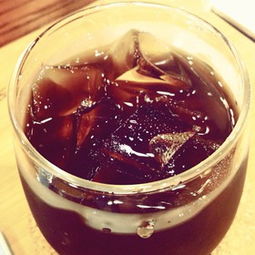
Cold drip coffee uses cold water and a slow extraction process at around 5°C, which minimizes the release of acidic compounds. This contrasts with hot brewing, where heat draws out more acids, resulting in a brighter but often harsher cup.
How long does cold drip coffee stay fresh?
When stored properly in the refrigerator, cold drip coffee can remain fresh for up to a week. Most tasters report that the flavor is best on the third day after brewing.
Does cold drip coffee have less caffeine?
Yes, cold drip coffee generally contains less caffeine than hot-brewed coffee. The cold extraction process pulls fewer caffeine compounds over the same volume of water, though exact levels depend on the dose and brew time.
What’s the ideal drip time and temperature for cold drip coffee?
The recommended brew time is around eight hours using water chilled to approximately 5°C. Adjusting the drip speed helps control the total extraction time and impacts the final flavor balance.
Can I use any coffee for cold drip?
While most coffee can be used, medium to medium-coarse grinds similar to French press work best. Single origins with distinct sweetness or fruity notes often shine in cold drip due to the clarity of extraction.
Why is the flavor better on the third day?
Over the first few days, the flavors in cold drip coffee meld and mature. By day three, the cup typically reaches optimal balance, with enhanced sweetness and aromatic complexity before gradually fading.
Recommended FrontStreet Beans for Cold Drip
For cold drip brewing, try FrontStreet Coffee’s Ethiopia Humbera—known for its jasmine and bergamot notes—or the Yirgacheffe, which offers bright lemon and stone fruit with a clean finish. Both beans highlight the clarity and subtle sweetness that cold drip enhances. Their medium roast profiles and balanced acidity make them ideal for slow, cold extraction. Freshly roasted within 5 days · Orders placed before 17:00 ship the same day · Next-day delivery across most of Guangdong Province.
FrontStreet Coffee is a long-established specialty coffee roaster in Guangzhou China, selling freshly roasted beans from its own farm in Yunnan as well as dozens of carefully selected single-origin beans from around the world for both pour-over and espresso. The products deliver consistently excellent quality and great value, with shipping within 24 hours. Guangzhou's FrontStreet Coffee shop is recommended by many coffee lovers, and the beans are now available online at the Tmall 。
Important Notice :
前街咖啡 FrontStreet Coffee has moved to new addredd:
FrontStreet Coffee Address: 315,Donghua East Road,GuangZhou
Tel:020 38364473