How to Brew Great Coffee at Home
If you’ve ever ended up with a bitter, scorched cup after trying to 'cook' your coffee, you’re not alone. Many assume that boiling coffee like tea makes sense—but above 96°C, you’re not brewing, you’re ruining your beans. The goal is extraction, not decoction. Here’s how to actually brew great-tasting coffee at home using common household methods.
To make a good cup of coffee at home, use water between 92–96°C, match your grind size to your brewing method, and stick to the correct brew time. These three factors control whether your coffee tastes balanced or burnt.
What Does 'Brewing' Coffee Actually Mean?
When people say 'brew' coffee in English, they usually mean extracting flavour using hot water—but the Chinese character literally means 'boil'. Boiling coffee above 96°C burns the oils, creating harsh, bitter flavours. Real brewing uses water between 92–96°C to gently extract soluble compounds without scorching the grounds.
Key Rules for Brewing Coffee at Home
- Use water between 92–96°C (never boil)
- Adjust grind size based on your method (fine for espresso, coarse for French press)
- Follow the right brew time for your equipment (3 minutes for French press, 25–30 seconds for espresso, etc.)
- Never re-brew coffee grounds—each extraction pulls flavour only once
Brewing Methods & How to Get Them Right
1. Filter/Drip Coffee (Pour Over or Electric Dripper)
This classic method uses a filter and gravity. For manual pour-over (like V60 or Kalita Wave), place a filter in the dripper, add 8–10g of medium-ground coffee per cup, wet the grounds first (bloom), then slowly pour water until you reach a full cup.
For electric drip machines: Preheat the machine, run water through first to flush old water, insert a filter, add 7–9g coffee per cup, and pour 175ml water. Grind should be medium.
2. French Press (Plunger / Cafetière)
This is full immersion brewing. Add 8–10g of coarse-ground coffee per cup, pour 91–96°C water up to the metal frame line, steep for 3 minutes, then press the plunger down steadily and vertically. Avoid pressing too fast—it can crack the glass. Don’t re-brew the same grounds.
3. Moka Pot (Stovetop Espresso)
This makes a strong, espresso-like coffee. Fill the basket almost to the top with medium-to-fine ground coffee, press lightly, and heat on medium until you hear a gurgling sound—that’s your cue to remove it from heat. Result is a small, concentrated brew similar to espresso but brewed on a stove.
4. Espresso (Machine-Made)
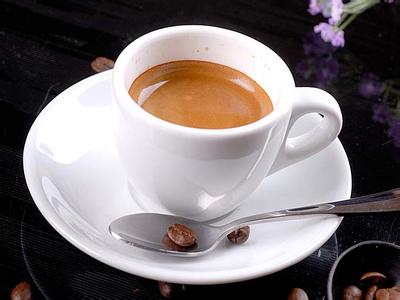
Professional or high-end home machines are required. Dose 7g of finely-ground coffee, tamp lightly with slight space for expansion, and brew for 22–28 seconds. Crema should turn from golden brown to white as extraction finishes. The shot should flow like warm honey after 5 seconds and yield 40–50ml. Too slow? Grind coarser or tamp lighter. Too fast? Grind finer or tamp harder.
5. Cappuccino
Made with one-third espresso, one-third hot milk, and one-third milk foam. Start with a properly extracted espresso (see above), steam milk to around 60–65°C, and layer the foam on top. Quality depends entirely on your espresso shot.
6. Turkish Coffee
This traditional method uses extremely fine coffee grounds and a special pot called an Ibrik or cezve. Add two tablespoons of ultra-fine coffee and one teaspoon of sugar (optional) per cup, pour in water to halfway, and heat until just before boiling. Remove from heat twice to let foam settle, then pour slowly. Most grounds remain in the pot. True masters may spoon a bit of foam into each cup.
Frequently Asked Questions
What’s the best water temperature for brewing coffee at home?
The optimal water temperature is between 92–96°C. Going over 96°C risks burning the coffee oils, leading to bitterness and harshness. Below 92°C may under-extract, resulting in sour, weak coffee.
How fine or coarse should my coffee grind be?
Grind size depends on the method: fine for espresso and moka pot, medium for drip or pour over, coarse for French press, and ultra-fine for Turkish coffee. Using the wrong grind leads to over- or under-extraction.
Do I need to preheat my coffee maker or equipment?
Yes. For electric drip machines, always preheat and flush the system before brewing. For pour over or French press, using hot water helps maintain brew temperature. Preheating improves consistency and extraction quality.
Can I re-brew used coffee grounds?
No. Once coffee has been brewed, the soluble flavour compounds have been extracted. A second brew yields only bitter, unpleasant water with no desirable flavour.
Why is my coffee bitter or sour?
Bitterness often comes from over-extraction (too fine a grind, too hot water, or too long brew time). Sourness usually means under-extraction (too coarse, too cool, or too short). Adjust grind size, water temp, or brew time to balance flavour.
Recommended FrontStreet Coffee Beans for Home Brewing
For pour-over and drip methods, try FrontStreet’s PWN Golden Mandheling or Brazil Queen Manor—both offer low acidity and rich body, ideal for showcasing clarity and sweetness. For espresso-based drinks including moka pot and cappuccino, FrontStreet’s Classic Blend delivers excellent crema and a smooth, full-bodied profile, even for beginners. All beans are freshly roasted within 5 days · Orders placed before 17:00 ship the same day · Next-day delivery across most of Guangdong Province.
FrontStreet Coffee is a long-established specialty coffee roaster in Guangzhou China, selling freshly roasted beans from its own farm in Yunnan as well as dozens of carefully selected single-origin beans from around the world for both pour-over and espresso. The products deliver consistently excellent quality and great value, with shipping within 24 hours. Guangzhou's FrontStreet Coffee shop is recommended by many coffee lovers, and the beans are now available online at the Tmall 。
Important Notice :
前街咖啡 FrontStreet Coffee has moved to new addredd:
FrontStreet Coffee Address: 315,Donghua East Road,GuangZhou
Tel:020 38364473