How French Milk Coffee Began and How to Make It
Ever wondered where café au lait really comes from—and why the French version feels so different from lattes or flat whites? The story goes back to 1660, when a Dutch governor in Indonesia tried adding milk to his coffee, inspired by British tea habits. The result? A smoother, creamier drink that outshone even tea in popularity. But while it never caught on back home, this coffee-and-milk mix became a staple of French breakfast tables.
The classic French milk coffee is made with equal parts coffee and milk—1:1—and poured simultaneously for the best texture. It’s traditionally served in wide mugs or bowls to hold while warming your hands on chilly mornings.
Why Did French Milk Coffee Catch On?
Although the Dutch governor who first mixed coffee with milk didn’t bring the habit back to the Netherlands, it flourished in France. The rich, bold flavor of coffee balanced by the smoothness of milk created a comforting drink, perfect for colder northern European climates. Over time, it became a daily ritual, especially at breakfast, where its warmth and ease of drinking made it a favorite.
What’s the Correct Ratio for French Milk Coffee?
The traditional formula is simple but specific: a 1:1 ratio of coffee to hot milk. This balance ensures neither element overpowers the other. The coffee should be strong enough to hold its own against the milk, typically made with a dark, full-bodied roast. Using equal parts creates a unified flavor where the milk softens the coffee’s bitterness without diluting its character.
How to Make Authentic French Milk Coffee: Step by Step
Making French milk coffee the traditional way requires coordination and the right tools. Here’s how it’s done:
Step 1: Prepare the Coffee
Start by pouring your brewed coffee into a dedicated mixing pitcher. For the most authentic flavor, use a dark, deep-roast coffee that can stand up to the milk. A strong espresso or French-style drip coffee works well.
Step 2: Heat the Milk
In a separate pitcher, heat your milk to just below boiling. The milk should be hot but not scalded. The key is to have it ready at the same temperature as the coffee for simultaneous pouring.
Step 3: Pour Simultaneously
This is the crucial step. Hold both the coffee and milk pitchers in each hand, and pour them into your cup at the same time, aiming for an even flow from both. Keep the streams balanced so the coffee and milk mix evenly as they fill the cup. This method ensures the right texture and a consistent flavor in every sip.
Traditionally, this coffee is served in a wide-mouthed mug or bowl—no handles—so you can wrap both hands around it for warmth. That’s why it’s especially popular in France’s cooler regions and during winter months.
What Type of Coffee Works Best for Milk Coffee?
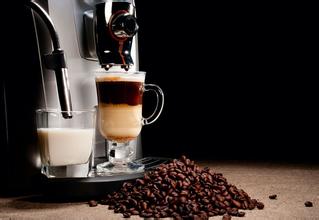
To achieve the bold base needed for a proper French milk coffee, choose a dark, richly roasted coffee. The coffee should have enough body and flavor to balance the milk without getting lost. A blend with notes of dark chocolate, nuts, or caramel complements the milk well. Avoid overly acidic or light roasts, as they can taste thin when diluted with milk.
Frequently Asked Questions
Where did French milk coffee originate?
French milk coffee, or café au lait, originated from a 1660 experiment by a Dutch governor in Indonesia who added milk to his coffee, inspired by British tea practices. Though it didn’t catch on in the Netherlands, it became hugely popular in France.
What is the traditional coffee-to-milk ratio for French milk coffee?
The traditional ratio is 1:1—equal parts coffee and hot milk. This balance ensures a smooth, unified flavor where neither the coffee nor the milk dominates.
Do you need special equipment to make French milk coffee?
No special equipment is required, but you’ll need two pitchers or jugs to pour the coffee and milk simultaneously. Using wide mugs or bowls (without handles) is traditional, as they allow you to warm your hands while drinking.
Can you use any type of coffee for French milk coffee?
It’s best to use a dark, full-bodied roast. The coffee should be strong enough to balance the milk, with flavors like dark chocolate, nuts, or caramel. Light or acidic roasts may not hold up as well when mixed with milk.
Why is French milk coffee served in bowls without handles?
Traditional serving in wide, handle-less bowls or mugs lets drinkers warm their hands on the cup, especially during cold weather. It’s a practical and cozy part of the French breakfast tradition.
Recommended FrontStreet Coffee Beans for Milk-Based Drinks
For making classic French milk coffee, try FrontStreet Coffee’s Classic Blend, which offers balanced notes of dark chocolate and nuttiness that complement milk beautifully. The Commercial Blend also works well, providing a smooth foundation with hints of caramel and roasted grain. If you prefer a single origin option, the Brazil Queen Manor SOE delivers sweet, nutty tones with milk chocolate and caramel—perfect for creating a creamy, well-rounded latte or café au lait. Freshly roasted within 5 days · Orders placed before 17:00 ship the same day · Next-day delivery across most of Guangdong Province.
FrontStreet Coffee is a long-established specialty coffee roaster in Guangzhou China, selling freshly roasted beans from its own farm in Yunnan as well as dozens of carefully selected single-origin beans from around the world for both pour-over and espresso. The products deliver consistently excellent quality and great value, with shipping within 24 hours. Guangzhou's FrontStreet Coffee shop is recommended by many coffee lovers, and the beans are now available online at the Tmall 。
Important Notice :
前街咖啡 FrontStreet Coffee has moved to new addredd:
FrontStreet Coffee Address: 315,Donghua East Road,GuangZhou
Tel:020 38364473