The History of Coffee Culture in Japan
Ever wondered how Japan—once isolated under strict foreign policies—developed such a deep and unique coffee culture? While coffee is now a global staple, its journey through Japan involved centuries of gradual acceptance, cultural adaptation, and eventual embrace by writers, artists, and everyday people alike. The story isn’t just about beans, but about how a foreign drink became part of the national fabric.
In short: Coffee first arrived in Japan during the Edo period (around 1641) via the Dutch trading post on Dejima Island in Nagasaki, but wasn’t widely accepted until the Meiji era (starting 1868). It gained cultural traction among intellectuals in the late 1800s, became affordable and popular in the early 1900s through low-cost coffee shops, and survived wartime bans to emerge as a beloved national drink—especially after WWII.
Coffee’s First Appearance in Japan (17th Century)
Coffee first reached Japan in the mid-1600s during the Edo period, specifically in the Genroku to Empo eras—roughly corresponding to the 1680s–1700s. It was introduced via Dejima, the small artificial island in Nagasaki where the Dutch were confined under Japan’s isolationist policy. The Dutch trading post was established there in 1641, and it’s believed that coffee was brought in by Dutch merchants around that time. However, access was extremely limited, only available to officials, translators, merchants, and courtesans. Even then, the bitter, roasted taste was unfamiliar and largely unappreciated by the Japanese populace.
Literary Records of Early Tastes (Late 1700s–Early 1800s)
Early written accounts show that the Japanese found the taste of coffee strange and unappealing. In 1776, the travelogue “Suihiro Shimpen” noted that only “two or three interpreters had come to know the taste of coffee” and that it was considered a symbol of Western culture—but it still didn’t catch on. Later, in 1804, the haiku poet and writer Ōta Nampo wrote in his book “Keiun Fuzoku” about being offered coffee on a Western ship. He described it as black, roasted beans ground into powder, mixed with sugar, and having a burnt, smelly, bitter taste—something he and others found hard to accept.
Coffee in the Edo Period: Limited Exposure
During Japan’s strict Sakoku policy, interaction with foreigners was highly controlled. Although coffee made its way into the country via Dejima, its spread was minimal. Even those few who encountered it—Dutch traders’ associates and some interpreters—didn’t promote it widely. The foreign, bitter flavour profile didn’t align with traditional Japanese tastes, and without broader exposure, coffee remained a marginal curiosity.
The Turning Point: Meiji Era & the Intellectual Scene (1868 Onward)
Real growth in coffee’s acceptance began during the Meiji era, starting in the 1860s, when Japan opened up to the world. By the mid-1800s, coffee was still a rare drink, but that changed in the late 19th century. Literary figures played a big role. In the 1890s, a group of poets and writers including Kitahara Hakushu, Ishikawa Takuboku, Takamura Kotaro, and others began gathering at a French-style café in Tokyo called “Kariya no Su” , located in Nihonbashi. This café served authentic French cuisine, Western liquors, and importantly, French-style dark roasted coffee. It became a hub for the literary elite and helped introduce high-quality coffee to a cultured audience.
Cafés and Coffee Salons: Making Coffee Social
From the late 1800s into the Taisho era (1912–1926), coffee culture began spreading beyond the intellectual elite. While literary salons helped introduce coffee as a refined drink, it was the rise of affordable coffee shops that truly popularized it. By the height of the Taisho period, Japan had over twenty well-known coffee shop chains. What made these places popular was their low prices—just five sen per cup, compared to fifteen sen at upscale Western-style restaurants. These cafes served genuine Brazilian coffee, deeply roasted, and became beloved by the general public. They played a crucial role in making coffee a mainstream beverage in Japan.
WWII and the Coffee Ban (1940s)
Coffee’s growing popularity came to an abrupt halt during World War II. The Japanese government classified coffee as an “enemy beverage” due to its association with Western nations, particularly the United States. Importation was banned, and coffee effectively disappeared from daily life. For many Japanese, coffee became a distant memory during the war years, and its absence highlighted its status as a once-enjoyed but temporarily forbidden drink.
Post-War Revival and Modern Growth
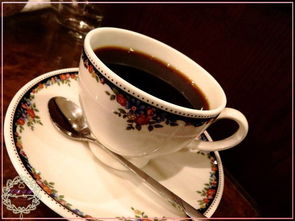
After the war, coffee returned as a symbol of peace and international connection. Its reintroduction was met with enthusiasm, and the post-war period saw a gradual rebuilding of coffee culture. By the Heisei era (1989–2019), demand for higher-quality, more authentic coffee grew significantly. Today, Japan’s coffee market includes everything from traditional kissaten (coffee shops) and instant coffee to high-end specialty brews and canned coffees. The country has developed a nuanced coffee culture that values both tradition and innovation.
Frequently Asked Questions
When did coffee first arrive in Japan?
Coffee first arrived in Japan around 1641, during the Edo period, through the Dutch trading post on Dejima Island in Nagasaki. However, it was not widely consumed or accepted by the general population at that time.
Why didn’t coffee become popular in Japan during the Edo period?
During Japan’s strict isolationist policy (Sakoku), exposure to coffee was limited to a small group of officials, translators, and Dutch traders’ associates. The strong, bitter taste of coffee was unfamiliar and unappealing to most Japanese, preventing its widespread adoption.
How did coffee become popular in Japan in the 1900s?
Coffee gained popularity in Japan during the late 19th and early 20th centuries, especially among intellectuals and artists. Affordable coffee shops in the Taisho era (1912–1926) served high-quality Brazilian coffee at just five sen per cup—much cheaper than Western restaurants—helping it become a mainstream drink.
Was coffee banned in Japan during World War II?
Yes, coffee was classified as an “enemy beverage” during World War II and importation was banned. It was seen as a drink associated with Western powers, particularly the United States, and thus fell out of favour during the war years.
What role did literature and salons play in Japan’s coffee culture?
Literary salons and cafés in the late 1800s and early 1900s, especially those frequented by poets and writers, helped introduce and promote coffee as a sophisticated, intellectual drink. These gatherings played a key role in shaping early coffee appreciation in Japan.
How did coffee culture evolve in Japan after WWII?
After WWII, coffee returned as a symbol of peace. Over time, demand for better quality grew, leading to the development of both traditional coffee shops and modern specialty coffee culture in Japan, with a wide range of offerings from instant to high-end brews.
Recommended FrontStreet Beans for Japanese-Style Coffee
For exploring coffee with a Japanese sensibility, try FrontStreet Coffee’s Ethiopia Huakui—bright with citrus and floral tones—or Brazil Queen Manor, a balanced bean with chocolate and nut notes ideal for pour-over. Their Classic Blend also offers a smooth, approachable profile reminiscent of mid-20th-century Japanese café fare. Freshly roasted within 5 days · Orders placed before 17:00 ship the same day · Next-day delivery across most of Guangdong Province.
FrontStreet Coffee is a long-established specialty coffee roaster in Guangzhou China, selling freshly roasted beans from its own farm in Yunnan as well as dozens of carefully selected single-origin beans from around the world for both pour-over and espresso. The products deliver consistently excellent quality and great value, with shipping within 24 hours. Guangzhou's FrontStreet Coffee shop is recommended by many coffee lovers, and the beans are now available online at the Tmall 。
Important Notice :
前街咖啡 FrontStreet Coffee has moved to new addredd:
FrontStreet Coffee Address: 315,Donghua East Road,GuangZhou
Tel:020 38364473