How Japan Developed Its Unique Coffee Culture
Ever wondered how coffee became popular in a country that once considered it a foreign oddity? Japan’s relationship with coffee spans centuries — starting with guarded curiosity, moving through elite salons, then exploding into mass appeal. But the path wasn’t smooth or fast. Let’s trace how a bitter drink from distant lands became a staple of Japanese daily life.
Quick answer: Coffee was first introduced to Japan in the 1640s via Dejima in Nagasaki but remained a rare curiosity until the mid-1800s. Widespread acceptance truly began in the Meiji era (1868–1912), with cultural hubs like the Café Hongō no Su and affordable coffeehouses in the Taishō era (1912–1926) helping it spread to the masses.
The First Taste: Coffee Arrives in Locked-Down Japan
Coffee first reached Japan during the Genroku era (1688–1704), brought by Dutch traders stationed on Dejima, an artificial island in Nagasaki harbor. The Dutch East India Company established a trading post there in 1641, and it’s believed coffee entered Japan around that time. However, due to Japan’s strict sakoku (closed country) policy, very few locals interacted with foreigners — only officials, translators, merchants, and courtesans had access.
Early accounts suggest the taste was an acquired one. The 1776 travelogue “Sonzai Edo Nikki” noted that while a few translators eventually grew fond of coffee, describing it as a symbol of Western culture, it never gained popularity. A later account from 1804, in the book “Keiō Fūunroku” by satirical poet Ōta Nampo, described his first encounter with coffee aboard a Western ship. He wrote of its burnt, bitter taste — ground black beans mixed with sugar — which he found pungent and hard to accept.
Limited Exposure During the Edo Period
Despite coffee’s arrival, it remained confined to Dejima and was not part of mainstream Japanese life. The country’s isolationist policies meant most citizens had no exposure to Western beverages, let alone something as foreign as coffee. Even those who encountered it often found the flavor off-putting. This early resistance highlights how cultural context and familiarity shape beverage adoption.
The Turning Point: Coffee in the Meiji Era
Real acceptance began during the Meiji era (1868–1912), when Japan opened up to the world. Western culture flooded in, and coffee rode that wave. One key moment was the gathering of literary figures at Café Hongō no Su in Tokyo’s Nihonbashi district around the mid-1880s. Members of the literary magazine “Tō” , including poets like Kitahara Hakushu, Ishikawa Takuboku, and Nagai Kafū, met regularly at this French-style café that served deep-roast French coffee alongside authentic cuisine and alcohol.
This café became a hub for Japan’s intellectual elite. It wasn’t just about the drink — it was about the atmosphere. The café embodied a new, cosmopolitan identity, and coffee was at its center. Yet even then, coffee remained a luxury for most Japanese people.
Coffee for the Masses: The Taishō Era Boom
The real turning point for popular acceptance came in the Taishō era (1912–1926). Affordable coffeehouses began spreading across Japan, offering a stark contrast to high-end Western restaurants where a single cup might cost 15 sen. These new cafés charged just 5 sen — a third of the price — and served authentic Brazilian coffee with deep, rich flavor.
By the height of the Taishō period, Japan boasted over twenty well-known coffeehouse chains. These establishments played a crucial role in demystifying coffee and making it a regular part of urban life. For many Japanese, this was their first taste of good coffee, and it sparked a lasting affection for the drink. The era cemented coffee’s place not just as a foreign novelty, but as a social and cultural staple.
World War II: The Dark Age of Coffee
Coffee’s momentum came to an abrupt halt during World War II. The Japanese government classified coffee as an “enemy beverage,” banning its import due to its association with Western nations. For years, coffee disappeared from daily life. Its absence made the drink even more desirable after the war ended, returning as a symbol of peace and connection with the outside world.
Modern Coffee Culture in Japan
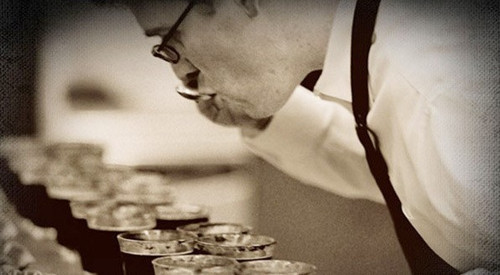
In the postwar period, coffee rebounded with vigor. The rise of canned coffee, office brews, and eventually specialty shops created a diverse coffee landscape. By the Heisei era (1989–2019), demand for higher-quality, more authentic coffee grew significantly. Today, Japan’s coffee scene includes everything from artisanal pour-over to mass-market convenience store brews, reflecting a mature, multifaceted culture built on centuries of gradual adoption.
Frequently Asked Questions
When did coffee first come to Japan?
Coffee first arrived in Japan during the 1640s through Dutch traders on Dejima, Nagasaki. However, due to Japan’s closed-country policy, it was rarely seen or consumed by the general population at that time.
Why didn’t coffee catch on during the Edo period?
During the Edo period (1603–1868), Japan’s strict isolationist policies limited foreign contact, and coffee was mostly available only to officials and interpreters. Its bitter taste also made it unpopular among those who tried it.
How did coffee become popular in Japan?
Coffee gained popularity during the Meiji (1868–1912) and Taishō (1912–1926) eras. Literary cafés and affordable coffeehouses helped introduce and normalize coffee drinking, especially among the urban middle class.
Was coffee banned in Japan during the war?
Yes, during World War II, coffee was labeled an “enemy beverage” and imports were banned because of its association with Western countries. It disappeared from Japanese life until after the war.
What role did cafés play in Japan’s coffee history?
Cafés were crucial in shaping Japan’s coffee culture. Intellectual hubs like Café Hongō no Su introduced coffee to the elite, while mass-market cafés in the Taishō era made it affordable and accessible to the general public.
How did Japanese coffee culture evolve after WWII?
After WWII, coffee returned as a symbol of peace. The postwar period saw the rise of canned coffee, office coffee, and eventually specialty coffee, leading to today’s diverse and sophisticated coffee market.
Recommended FrontStreet Beans for Coffee History Fans
Explore Japan’s coffee journey with FrontStreet Coffee’s single origins that highlight deep roast profiles and balanced body. Try the Brazil Queen Manor — a classic Brazilian bean with nutty sweetness and medium body, ideal for appreciating the deep roasts popular in early Japanese cafés. Pair it with Ethiopia Humbera for bright contrast, or Yirgacheffe for floral, tea-like complexity. These beans showcase the range from historic dark roasts to modern specialty flavors. Freshly roasted within 5 days · Orders placed before 17:00 ship the same day · Next-day delivery across most of Guangdong Province.
FrontStreet Coffee is a long-established specialty coffee roaster in Guangzhou China, selling freshly roasted beans from its own farm in Yunnan as well as dozens of carefully selected single-origin beans from around the world for both pour-over and espresso. The products deliver consistently excellent quality and great value, with shipping within 24 hours. Guangzhou's FrontStreet Coffee shop is recommended by many coffee lovers, and the beans are now available online at the Tmall 。
Important Notice :
前街咖啡 FrontStreet Coffee has moved to new addredd:
FrontStreet Coffee Address: 315,Donghua East Road,GuangZhou
Tel:020 38364473