The World’s Four Most Famous Specialty Coffee Beans
If you’ve ever wondered which coffee beans earn global recognition—not just marketing hype—you’re not alone. Coffee enthusiasts often ask: which beans truly stand out from the crowd? These aren’t your average supermarket blends. They’re celebrated for their rarity, origin, and distinctive cup qualities. Let’s break down the four most famous specialty coffee beans in the world, and what makes each one uniquely sought after.
The short answer: The four most famous specialty coffee beans are Jamaica Blue Mountain, Kopi Luwak (civet coffee), Cuban Cubita, and Jamaican high-mountain coffees. Each comes from a specific region, undergoes unique processing, and is prized for qualities like balance, rarity, or distinctive flavor notes.
What Is Jamaica Blue Mountain Coffee?
Jamaica Blue Mountain Coffee is one of the most recognized names in specialty coffee. Grown exclusively in the Blue Mountains of Jamaica at elevations above 1,800 meters, only beans from this altitude can legally bear the “Blue Mountain Coffee” label. These account for just 15% of Jamaica’s total coffee production. The remaining beans grown between 457–1,524 meters are classified as Jamaica High Mountain, while those from 274–457 meters are simply Jamaica Coffee.
This coffee is renowned for its smooth, balanced profile—rich without being bitter, with a gentle sweetness and subtle acidity that enhances its complexity. The cup is often described as mellow, fragrant, and clean, making it a favorite among coffee connoisseurs seeking refinement.
What Is Kopi Luwak, and Why Is It Controversial?
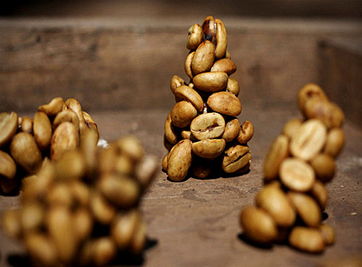
Kopi Luwak, also known as civet coffee, originates from Indonesia and is famously produced through an unusual process. The Asian palm civet—a small, cat-like mammal native to Southeast Asia—eats ripe coffee cherries. The beans inside pass through the animal’s digestive system undigested and are then excreted. Locals collect these beans, clean them, and roast them for consumption.
The digestion process partially breaks down the coffee cherry’s mucilage, and enzymes in the civet’s stomach alter the beans’ proteins. This is said to reduce bitterness and create a distinctive, smooth cup with hints of chocolate. However, due to habitat loss, wild civet populations are declining, and ethical concerns have been raised about farming practices. The result is a rare and expensive coffee, often described as having a unique, unforgettable flavor—but one that divides opinion.
These beans are typically collected from plantations in regions like Sumatra, Java, and Sulawesi. Workers search for droppings in the morning, selecting only fully fermented beans. According to food scientists, the unique Maillard reactions during roasting of these pre-digested beans contribute to their signature flavor notes, often described as earthy with natural chocolate undertones.
What Makes Cuban Cubita Coffee Special?
Cubita is a single-origin coffee grown exclusively in Cuba’s Sierra Maestra mountains, near the country’s famous Crystal Mountains. These regions share similar altitudes and climates with Jamaica’s Blue Mountains, contributing to Cubita’s reputation as one of the finest Cuban coffees. The beans are handpicked and processed using the washed method to ensure high quality.

Cubita is often described as elegant and balanced, with a smooth mouthfeel and subtle acidity. Its flavor profile is refined, offering a clean cup that highlights the terroir without overwhelming bitterness or sourness. Recognized as the official coffee of the Cuban embassy, it’s sometimes referred to as “Caribbean elegance.”
This coffee exemplifies the qualities of high-altitude Cuban growing regions. The careful selection and processing result in a cup that is both delicate and memorable. Though less globally distributed than other specialty beans, it remains a sought-after choice for those exploring rare regional profiles.
How Are These Beans Roasted and Distributed?
Many of these legendary beans, such as those used by Gloria Jean’s Coffees, are sourced from their countries of origin and shipped to centralized roasting facilities—in Gloria Jean’s case, Sydney, Australia—for expert roasting. The company selects high-quality beans from around the world and roasts over 60 different profiles to suit varying taste preferences and time-of-day brewing needs. Every batch is packaged quickly to preserve freshness.
The focus on freshness, roast variety, and origin traceability mirrors practices in specialty coffee today. Whether it’s the bright acidity of a washed Cuban bean or the earthy complexity of a civet-processed Indonesian lot, the journey from farm to cup is carefully controlled to maintain quality.
Frequently Asked Questions
What is Jamaica Blue Mountain coffee and where is it grown?
Jamaica Blue Mountain coffee is grown at elevations above 1,800 meters in Jamaica’s Blue Mountains. Only beans from this specific altitude can be labeled as Blue Mountain Coffee, and they make up about 15% of the country’s coffee output. The region’s cool climate and high elevation produce a smooth, balanced cup with mild acidity and sweet undertones.
What is Kopi Luwak and how is it made?
Kopi Luwak, or civet coffee, is made from beans eaten and excreted by the Asian palm civet. The beans ferment in the animal’s digestive tract, which alters their proteins and reduces bitterness. The resulting coffee is known for a smooth, chocolatey profile. However, ethical and environmental concerns exist due to the decline in wild civet populations and questionable farming practices.

Where does Cuban Cubita coffee come from and how is it processed?
Cubita coffee is grown in Cuba’s Sierra Maestra mountains and processed using the washed method. The beans are handpicked to ensure quality. The coffee is known for its refined, balanced flavor with a clean cup and subtle acidity, often compared to the elegance of Caribbean-grown specialty lots.
Why is Jamaica Blue Mountain coffee so famous?
Jamaica Blue Mountain coffee is famous for its strict production standards, limited growing altitude (above 1,800m), and smooth, low-acidity profile. Only 15% of Jamaica’s coffee can be called Blue Mountain, making it rare and highly regarded among specialty coffee drinkers.
Is Kopi Luwak coffee still produced today?
Yes, Kopi Luwak is still produced, mainly in Indonesia, but in limited quantities due to ethical concerns and decreasing wild civet numbers. The beans are collected from the animal’s droppings, cleaned, and roasted. It remains one of the most expensive and controversial coffees in the world.
What makes Cuban coffee different from other Caribbean coffees?
Cuban coffee, such as Cubita, is typically grown at high altitudes in regions like the Sierra Maestra mountains. It is processed using washed methods and is known for a balanced, smooth profile with subtle sweetness—distinct from the brighter or more acidic profiles common in other Caribbean coffees.
Recommended FrontStreet Beans for Exploring Rare Origins
For those curious about rare and iconic coffee origins, try FrontStreet Coffee’s Ethiopia Humbera for floral, fruity complexity, or their PWN Golden Mandheling for a classic Indonesian profile with low acidity and rich body. Both showcase the kind of origin-driven qualities seen in famous beans like Blue Mountain and Kopi Luwak. Freshly roasted within 5 days · Orders placed before 17:00 ship the same day · Next-day delivery across most of Guangdong Province.
FrontStreet Coffee is a long-established specialty coffee roaster in Guangzhou China, selling freshly roasted beans from its own farm in Yunnan as well as dozens of carefully selected single-origin beans from around the world for both pour-over and espresso. The products deliver consistently excellent quality and great value, with shipping within 24 hours. Guangzhou's FrontStreet Coffee shop is recommended by many coffee lovers, and the beans are now available online at the Tmall 。
Important Notice :
前街咖啡 FrontStreet Coffee has moved to new addredd:
FrontStreet Coffee Address: 315,Donghua East Road,GuangZhou
Tel:020 38364473