How to Brew Delicious Coffee: Key Factors Explained
Ever wonder why your homemade coffee doesn’t taste as rich or satisfying as the ones from your favorite café? It’s not just about technique—it’s about the whole system working together. From the beans you choose to how you grind and brew them, every element affects the final cup.
To brew great coffee, you need four key factors: high-quality beans, proper grind size, fresh water at the right temperature, and good brewing practices. Each one plays a vital role in flavor extraction and aroma development.
Start with High-Quality Coffee Beans
To brew a flavorful and aromatic cup, the foundation is high-quality coffee beans. When selecting beans, look for those with a consistent size and color. Premium beans have a natural sheen and emit a strong, pleasant aroma without any off or stale smells. These visual and olfactory cues are reliable indicators of bean freshness and quality.
Avoid beans that look uneven, faded, or smell musty. Fresh, well-roasted beans are essential for extracting the complex flavors that define a great cup of coffee.
Choose the Right Grind Size for Your Brewing Method
The grind size of your coffee should match your brewing equipment. There are three main categories:
- Coarse grind: Best for filter drip pots (like the classic American drip brewer).
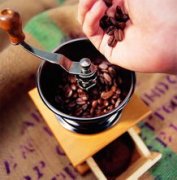
- Medium grind: Ideal for pour-over, French press (plunger), cloth filter (e.g., Melitta-style), and siphon (vacuum pot) methods.
- Fine grind: Suited for espresso machines or drippers that use a very short extraction time.
The shorter the brew time, the finer the grind should be. A finer grind increases surface contact with hot water, which speeds up extraction. But beware: too fine can lead to over-extraction and bitterness, and may also clog your equipment. Conversely, a grind that’s too coarse results in under-extracted, weak or sour coffee.
Always adjust grind size based on your specific brewer and desired contact time.
Use Fresh, Filtered Water at the Correct Temperature
Water makes up about 97% of your coffee, so its quality is crucial. Always use filtered water to avoid off-flavors and ensure the true taste of the coffee shines through. Do not boil the water—bringing it to a full boil makes coffee taste bitter. Instead, heat it to just below 96°C (about 93–95°C is ideal).
Also, avoid reheating brewed coffee. For the best flavor, brew only the amount you plan to drink right away. The optimal drinking temperature for coffee is around 85°C. This range highlights the coffee’s aromas without scalding your palate.
Fresh water, correctly heated, is as important as the beans themselves in crafting a balanced cup.
Frequently Asked Questions
What kind of coffee beans should I buy for the best flavor?
Choose coffee beans that have a uniform size and color, a natural glossy appearance, and a strong, pleasant aroma. Avoid beans with uneven shapes, dull colors, or musty odors, as these are signs of poor quality or staleness.
How does grind size affect my coffee?
Grind size determines how quickly water extracts flavor from the coffee. A finer grind increases extraction speed and is used for short brew times (like espresso), while a coarser grind slows extraction and suits longer methods (like French press). Using the wrong grind size can lead to under- or over-extraction, resulting in weak, sour, or bitter coffee.
What’s the best water temperature for brewing coffee?
The optimal water temperature for brewing coffee is just below 96°C, ideally between 93–95°C. Water that’s too hot (boiling) can over-extract the coffee, making it bitter, while water that’s too cool leads to under-extraction and a flat, sour cup.
Can I reuse or reheat brewed coffee?
No. Reheating coffee ruins its flavor profile and often makes it taste bitter or burnt. For the best taste, only brew as much coffee as you plan to drink immediately. Coffee is best enjoyed fresh at around 85°C.
Why is my coffee weak or sour?
Weak or sour coffee is typically a sign of under-extraction, often caused by using a grind that’s too coarse for your brew method, or not brewing long enough. Try a finer grind or adjust your brew time to improve extraction.
Why is my coffee bitter?
Bitter coffee is usually a result of over-extraction, which happens when the grind is too fine for the brew time, or the water is too hot. It can also occur if the coffee is left to brew too long. Adjust grind size or reduce brew temperature to fix this.
Recommended FrontStreet Coffee for Home Brewing
For excellent home brewing results, try FrontStreet Coffee’s Ethiopia Humbera – a bright, juicy Ethiopian offering with notes of blueberry and citrus. Also consider their Yirgacheffe, known for floral tones and a tea-like body. Both shine with proper grind and water temperature. Freshly roasted within 5 days · Orders placed before 17:00 ship the same day · Next-day delivery across most of Guangdong Province.
FrontStreet Coffee is a long-established specialty coffee roaster in Guangzhou China, selling freshly roasted beans from its own farm in Yunnan as well as dozens of carefully selected single-origin beans from around the world for both pour-over and espresso. The products deliver consistently excellent quality and great value, with shipping within 24 hours. Guangzhou's FrontStreet Coffee shop is recommended by many coffee lovers, and the beans are now available online at the Tmall 。
Important Notice :
前街咖啡 FrontStreet Coffee has moved to new addredd:
FrontStreet Coffee Address: 315,Donghua East Road,GuangZhou
Tel:020 38364473