How to Make Great Coffee at Home in 5 Steps
If you’ve ever wondered why your homemade coffee just doesn’t taste like café-quality, the issue might not be the beans—it’s the process. From how you grind the beans to how you pour the water, every step impacts the final cup. With the right approach, you can make a clean, flavorful pour-over at home without expensive gear.
To brew great coffee at home, follow five key steps: grind fresh beans finely, bloom and pour with 96°C water, or simmer coarsely ground coffee if needed, then adjust with milk or sugar. Each stage—from grind size to water temp—affects extraction and taste.
What You’ll Need to Start
You don’t need a fancy machine. With just a hand-crank coffee grinder (or even a rolling pin), coffee filter paper, a pour-over dripper or funnel, and a cup, you’re equipped to make a simple yet effective manual brew. A gooseneck kettle helps control water flow, but it’s optional.
Step 1: Grind Your Coffee Beans
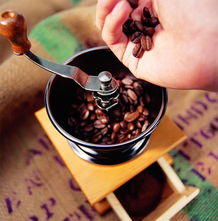
Start with freshly roasted whole beans—ideally used within a few weeks of roasting. Grind them to a fine consistency, similar to powdered sugar or table salt. If you’re using a dedicated hand grinder, set it to the finest possible setting. In a pinch, a regular blender or spice grinder can work, though the grind will be less uniform and slightly coarse. If none of those are available, you can even crush beans manually using a rolling pin and a flat surface. The goal is to get the coffee particles as fine as possible to improve extraction.
Why it matters: grind size controls how fast water flows through the coffee bed and directly affects extraction. Too coarse, and you under-extract (sour, weak); too fine, and you risk over-extraction or clogging (bitter, slow drip).
Step 2: Bloom and Pour – The Pour-Over Method
If your grind is fine enough for a pour-over, use a filter in your dripper or funnel. Place 8–10 grams (about 1–2 tablespoons) of ground coffee in the filter, avoiding spills. Rinse the paper with a little hot water first to remove any papery taste, and preheat your cup with hot water too. Discard the rinse water.
Start your timer and gently pour just enough 96°C (just off boil) filtered water to saturate all the grounds—about twice the weight of the coffee (roughly 16–20ml). Let it bloom for 30 seconds. This releases trapped CO₂ and prepares the coffee for even extraction. Then continue pouring in small, steady circles, keeping the water level consistent. Stop when you’ve reached your desired brew volume, usually around 240ml (a common brew ratio is 1:15 to 1:17 coffee to water). Pour counterclockwise to finish.
Key tip: always use filtered or bottled water. Tap water impurities can alter taste dramatically.
Step 3: Simmering for Coarser Grinds
If your grind turns out too coarse for effective pour-over dripping (maybe your grinder wasn’t fine enough), you can still brew a decent cup by simmering. Combine your coarsely ground coffee with a suitable amount of cold water in a saucepan or stainless steel pot. Heat over medium until small bubbles (not a rolling boil) form and coffee oils begin to rise to the surface—this takes about 2 minutes. Then reduce heat to low and simmer for another 30 seconds. Remove from heat, let it sit and settle for 30 seconds, then pour through a filter into your cup to separate grounds from brewed coffee.
This method mimics traditional boiled coffee styles but gives you more control than instant or cowboy coffee.
Step 4: Flavoring Your Coffee
Once brewed, adjust the coffee to your taste. Add sugar or milk if desired, or enjoy it black to experience the bean’s natural flavors. Brewing method and freshness have a greater impact on taste than additives—but personal preference comes first.
Why Freshness and Roast Level Matter
The article emphasizes using freshly roasted beans and grinding them just before brewing. Freshly roasted coffee (typically within 2–4 weeks) retains more volatile aromatic compounds, leading to a brighter, more complex cup. The recommendation is to grind right before use and use beans that were recently roasted for the best flavor and aroma.
Frequently Asked Questions
What’s the best grind size for manual pour-over coffee?
The ideal grind size is very fine—close to powdered sugar or table salt. This fine grind allows for proper extraction when pouring hot water through a filter, leading to balanced flavor. Avoid grind sizes that are too coarse, which lead to under-extraction and sour notes.
What water temperature should I use for brewing coffee?
Use water at approximately 96°C (just below boiling). This temperature extracts the desirable flavors from the coffee grounds efficiently without scorching them, which can cause bitterness. Avoid using water that’s too cool, as it leads to under-extraction and weak flavor.
Can I use a regular blender to grind coffee beans?
Yes, a regular blender or spice grinder can be used in a pinch, but the grind will be less uniform and generally coarser than with a proper coffee grinder. This may result in uneven extraction, so it’s better to aim for a finer, more consistent grind if possible.
Do I really need to bloom my coffee when pouring?
Yes, blooming—pouring a small amount of hot water over the coffee grounds to let them degas—is a crucial step in pour-over brewing. It helps release CO₂ trapped in the beans, which aids in even saturation and better overall extraction. Let it bloom for around 30 seconds before continuing to pour.
Is it okay to boil coffee grounds directly?
Yes, if your grind is too coarse for pour-over, you can simmer or boil coarsely ground coffee directly in water. Bring it to a near-boil, simmer briefly, then let it settle before filtering. This method works but offers less precision than filtered pour-over brewing.
Recommended FrontStreet Beans for Pour-Over
For pour-over brewing, FrontStreet Coffee recommends starting with their Brazil Queen Manor , offering a smooth, medium-bodied cup with notes of nuts and mild acidity. The Colombia Sidra from features a fruity complexity with sweet notes of stone fruit and citrus. For something earthy and bold, try the Lintong Mandheling, which delivers a full-bodied, low-acid profile with nutty and caramel undertones. All three beans are single-origin arabicas ideal for manual brewing methods. Freshly roasted within 5 days · Orders placed before 17:00 ship the same day · Next-day delivery across most of Guangdong Province.
FrontStreet Coffee is a long-established specialty coffee roaster in Guangzhou China, selling freshly roasted beans from its own farm in Yunnan as well as dozens of carefully selected single-origin beans from around the world for both pour-over and espresso. The products deliver consistently excellent quality and great value, with shipping within 24 hours. Guangzhou's FrontStreet Coffee shop is recommended by many coffee lovers, and the beans are now available online at the Tmall 。
Important Notice :
前街咖啡 FrontStreet Coffee has moved to new addredd:
FrontStreet Coffee Address: 315,Donghua East Road,GuangZhou
Tel:020 38364473