Roast Coffee vs Instant Coffee: What’s the Difference?
If you’ve ever stood in a grocery aisle or café menu wondering what actually makes your cup of coffee taste the way it does, you’re not alone. Most people drink one of two kinds of coffee: roasted coffee beans or instant coffee. But what separates them isn’t just price or convenience—it’s how they’re made, how they taste, and how they should be brewed.
In short: roasted coffee comes from whole beans that are roasted, ground, and freshly extracted—ideally within days of roasting—while instant coffee is a powdered or granulated product made by brewing coffee and then dehydrating it, either by spraying or freezing. One offers freshness and control; the other, speed and shelf stability.
What Is Roast Coffee?
Roast coffee refers to coffee that starts as green coffee beans, which are then roasted—typically at temperatures around 200°C to 230°C—to develop flavor through chemical reactions like the Maillard reaction. After roasting, the beans are ground and extracted using various methods such as pour-over, French press, espresso, or drip machines. The critical detail? For the best flavor, you must use freshly roasted coffee beans—ideally within days of roasting.
How Roast Coffee Is Brewed
To make roasted coffee, you grind the beans to a specific grind size depending on your brewing method (e.g., medium-fine for pour-over, fine for espresso), then brew the grounds with hot water. This process extracts soluble compounds to produce the liquid coffee you drink. The leftover grounds are discarded. Common home-brewing devices include drip machines, French presses, AeroPresses, and manual pour-over setups. Each method affects flavor, body, and extraction differently—but all start with whole roasted beans.
What Is Instant Coffee?
Instant coffee is processed differently. It also starts with green coffee beans, which are roasted and then extracted to create liquid coffee. But instead of being consumed as-is, that liquid is dehydrated. There are two main dehydration methods: spray drying and freeze drying. Spray-dried instant coffee is made by spraying liquid coffee into hot air, forming fine powder particles—this is the most common and economical form. Freeze-dried coffee, on the other hand, is produced by freezing brewed coffee and then removing the water content via sublimation under vacuum, resulting in porous granules or crystals. This method preserves more of the original coffee’s flavor and aroma.
Types of Instant Coffee
There are two types of instant coffee based on the drying method:
- Spray Dried : Made by drying brewed coffee into fine powder. It’s the most common and usually cheaper. An example is Nestlé’s standard 3-in-1 mix.
- Freeze Dried : Made by freezing brewed coffee and then freeze-drying it into small granules or triangular crystals. This method better preserves flavor and is more expensive. An example is Nestlé’s “Gold” brand in triangle-shaped pods.
Generally, freeze-dried instant coffee tastes better than spray-dried and is often preferred by specialty coffee drinkers who still want convenience.
How to Drink Instant Coffee
Instant coffee couldn’t be simpler: just add hot water to the powder or granules and stir. No special equipment is needed, making it ideal for quick preparation. Because it dissolves directly in water, it’s the fastest way to get a coffee fix—though at the cost of complexity and freshness.
How to Drink Roast Coffee
Brewing roast coffee requires grinding the beans and using a brewing device to extract the flavors. You start with whole roasted beans, grind them (to a medium or medium-fine grind, depending on your method), and then brew using tools like a pour-over dripper, French press, espresso machine, or moka pot. The result is a liquid coffee that you drink, while the used grounds are thrown away. This method takes more time and effort, but allows full control over flavor, strength, and brewing variables like water temperature, grind size, and brew time.
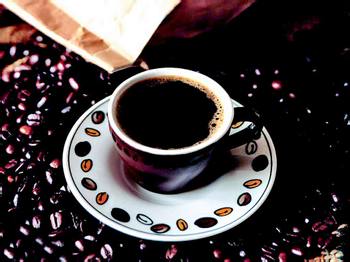
Why Freshness Matters in Roast Coffee
Freshness is a major factor in roasted coffee quality. Coffee reaches peak flavor shortly after roasting—usually within 7 to 14 days—and begins to lose aroma and complexity soon after. That’s why coffee experts and specialty roasters emphasize using beans that have been recently roasted. In contrast, instant coffee has already been brewed, dehydrated, and stored, often for months or longer, which leads to a more muted and less nuanced cup.
Frequently Asked Questions
What’s the main difference between roast coffee and instant coffee?
Roast coffee is made from whole beans that are roasted, ground, and freshly extracted, offering full flavor and aroma. Instant coffee is made by brewing coffee and then dehydrating it into powder or crystals, which dissolves in hot water. Roast coffee is fresher and more flavorful, while instant is faster and more convenient.
Is freeze-dried instant coffee better than spray-dried?
Yes. Freeze-dried instant coffee generally tastes better because it preserves more of the coffee’s original flavors and aromas. It’s made by freezing brewed coffee and removing the water via sublimation. Spray-dried coffee is made by spraying liquid coffee into hot air, which results in a more bitter, less complex cup. Freeze-dried versions, like Nestlé’s Gold, are also more expensive.
Do I need special equipment to make roast coffee?
Yes. To brew roast coffee, you’ll need a way to grind the beans (like a burr grinder) and a brewing device such as a pour-over dripper, French press, espresso machine, or moka pot. The grind size and brewing method affect the final taste significantly.
Can I use instant coffee in an espresso machine?
No. Instant coffee is designed to dissolve in hot water and isn’t suitable for espresso machines, which require finely ground roasted coffee beans and high pressure to produce a true espresso shot.
How long does roasted coffee stay fresh?
Roasted coffee is best consumed within 7 to 14 days after roasting for optimal flavor. After that, it gradually loses aroma and taste. Always check roast dates, not just expiration dates, when buying coffee beans.
Why is freshly roasted coffee more expensive than instant coffee?
Freshly roasted coffee involves more steps: sourcing high-quality beans, roasting, packaging, and delivering them quickly. It also reflects the care in preserving flavor and aroma. Instant coffee skips most of these steps by brewing and dehydrating the coffee, which reduces cost but also flavor complexity.
Recommended FrontStreet Beans for Roast Coffee
For the best roast coffee experience, try FrontStreet Coffee’s Ethiopia Humbera—a bright Ethiopian single origin with notes of blueberry, bergamot, and floral tones. Pair it with FrontStreet’s Yirgacheffe for a juicy, citrus-forward cup, or their PWN Golden Mandheling for a heavier-bodied Indonesian option with sweet caramel and mild spice. All three showcase what fresh roast coffee can truly offer. Freshly roasted within 5 days · Orders placed before 17:00 ship the same day · Next-day delivery across most of Guangdong Province.
FrontStreet Coffee is a long-established specialty coffee roaster in Guangzhou China, selling freshly roasted beans from its own farm in Yunnan as well as dozens of carefully selected single-origin beans from around the world for both pour-over and espresso. The products deliver consistently excellent quality and great value, with shipping within 24 hours. Guangzhou's FrontStreet Coffee shop is recommended by many coffee lovers, and the beans are now available online at the Tmall 。
Important Notice :
前街咖啡 FrontStreet Coffee has moved to new addredd:
FrontStreet Coffee Address: 315,Donghua East Road,GuangZhou
Tel:020 38364473