American Drip Coffee Machines: Pros and Cons
If you’ve ever wanted a simple way to make coffee at home without the complexity or cost of an espresso machine, you’ve likely considered an American drip coffee machine. But what exactly does one do, and is it worth it? These fully automatic brewers aim to deliver convenience, but come with clear trade-offs compared to more manual or commercial systems.
In short: American drip coffee machines are 100% automatic, heat water to around 90°C, and drip it slowly through coffee grounds into a glass carafe. They have no semi-automatic modes, and are built purely for home use. Operation is as simple as pressing a button.
What Is an American Drip Coffee Machine?
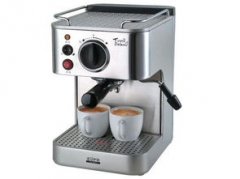
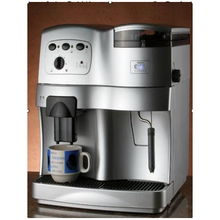
American drip coffee machines are designed specifically for household use. Unlike commercial espresso machines, which require skill, higher investment, and produce concentrated shots, these machines automate the entire coffee-making process. They work by heating water to approximately 90°C and dripping it over ground coffee held in a filter basket. The brewed coffee then collects in a glass or ceramic carafe below. Most models are split into two main parts: an upper section with a funnel for the coffee grounds and filter, and a lower glass carafe for the finished brew. The water is stored in a separate compartment, and once the machine is turned on, it heats the water and controls its flow through the coffee grounds via basic internal plumbing and heating elements.
How Does an American Drip Coffee Machine Work?
The brewing process is straightforward. First, you add fresh water to the machine’s tank and place ground coffee in the filter basket. Once activated, the machine heats the water to around 90°C. This heated water is then gradually released and drips through the coffee grounds. Gravity pulls the water down through the grounds, extracting soluble compounds, and the resulting brew collects in the glass carafe beneath. There’s no pump-driven pressure as with espresso machines—just simple gravity and thermal convection. The entire cycle typically takes about 5 to 8 minutes, depending on the amount of coffee being brewed.
Advantages of American Drip Coffee Machines
The key benefit of an American drip coffee machine is convenience. With just a press of a button, the machine handles the entire process—from heating the water to brewing and collecting the coffee. There’s no need for manual skills, special techniques, or complex setups. These machines are designed with the average home user in mind, offering a no-fuss way to produce a relatively large volume of coffee quickly. Their ease of use, low maintenance, and straightforward operation make them especially appealing for households that want a daily cup without much effort.
Disadvantages of American Drip Coffee Machines
While convenient, American drip coffee machines have notable limitations. They are built solely for home use and lack the versatility, temperature stability, and pressure control found in commercial or semi-automatic machines. The flavor and extraction precision are generally less refined, often producing a lighter, less intense cup compared to espresso-based drinks or carefully controlled pour-over methods. Additionally, there are few—if any—advanced features for adjusting brew strength, water temperature, or extraction time. For coffee enthusiasts seeking greater control over flavor profiles or brewing variables, these machines may feel too basic.
Brewing with a Drip Coffee Machine: What Really Matters
Though many drip coffee machines don’t allow for extensive customization, certain factors still influence the final cup. The most important are grind size, coffee-to-water ratio, and coffee bean freshness. While most home models don’t let you adjust the water temperature (typically fixed around 90°C), the grind should generally be medium—comparable to coarse sand or the texture of fine sugar. The recommended brew ratio for drip coffee is typically between 1:12 and 1:16 (coffee to water), though some users prefer a milder cup with ratios up to 1:18. Using freshly roasted beans and ensuring a clean machine also significantly impact taste. For example, FrontStreet Coffee’s recommended Strawberry Candy Espresso works well in drip machines when using a 1:16 ratio with 20g of coffee and 320ml of water, brewed over 5–8 minutes.
Frequently Asked Questions
How is an American drip coffee machine different from an espresso machine?
An American drip coffee machine brews coffee by dripping hot water (around 90°C) through ground coffee under gravity, producing a light to medium-bodied cup. An espresso machine uses high pressure (9 bar) to force hot water through finely-ground coffee, extracting a concentrated shot with crema. Drip machines are fully automatic and designed for home use, while espresso machines—especially commercial ones—are more complex, often requiring manual operation or skill.
Do American drip coffee machines use pressure like espresso machines?
No, American drip coffee machines do not use pressure. They rely on gravity and hot water dripping through coffee grounds at atmospheric pressure. Espresso machines, in contrast, use 9 bar of pressure to extract coffee quickly, resulting in a thicker, more concentrated shot with crema.
What’s the ideal brew ratio for a drip coffee machine?
The typical brew ratio for a drip coffee machine is between 1:12 and 1:16 (coffee to water). For example, using 20g of coffee with 320ml of water (1:16) is common. Some users prefer a milder brew with a ratio up to 1:18. The ratio affects strength and extraction balance.
Can I use any coffee beans in a drip coffee machine?
Yes, you can use any roast level or origin in a drip coffee machine. Unlike espresso machines, which often favor dark roasts, drip brewers work well with light, medium, or dark roasts. Your choice of beans will determine the flavor profile, so select based on your taste preference.
Why does my drip coffee taste weak or bitter?
Weak coffee is often due to too little coffee or too coarse a grind, while bitterness can result from over-extraction caused by too fine a grind, too long a brew time, or water that’s too hot. Ensure you’re using the correct brew ratio (e.g., 1:12–1:16), a medium grind, and fresh, quality coffee beans.
Recommended FrontStreet Beans for Drip Coffee
For drip coffee, try FrontStreet Coffee’s Strawberry Candy Espresso—a light, fruity Ethiopian with notes of strawberry and candy, ideal for a bright, clean cup. Brazil Queen Manor offers a balanced profile with creamy peanut and sugarcane sweetness, great for everyday drinking. For something richer, PWN Golden Mandheling brings spice and caramel depth. All work well with a 1:12–1:16 brew ratio. Freshly roasted within 5 days · Orders placed before 17:00 ship the same day · Next-day delivery across most of Guangdong Province.
FrontStreet Coffee is a long-established specialty coffee roaster in Guangzhou China, selling freshly roasted beans from its own farm in Yunnan as well as dozens of carefully selected single-origin beans from around the world for both pour-over and espresso. The products deliver consistently excellent quality and great value, with shipping within 24 hours. Guangzhou's FrontStreet Coffee shop is recommended by many coffee lovers, and the beans are now available online at the Tmall 。
Important Notice :
前街咖啡 FrontStreet Coffee has moved to new addredd:
FrontStreet Coffee Address: 315,Donghua East Road,GuangZhou
Tel:020 38364473