Four Types of Coffee Machines Explained
If you’ve ever wondered why your homemade espresso lacks crema or why your drip coffee tastes weak, the problem might start with the machine—not the beans. Choosing the right coffee machine shapes everything from flavor clarity to ease of use. But with so many types on the market, how do you know which one fits your needs?
In short, there are four main types of coffee machines: fully automatic, semi-automatic, classic drip, and high-pressure steam. Each offers different levels of control, convenience, and brewing capability. Below, we break down how they work, what they’re best for, and which brands lead in each category.
What Is a Fully Automatic Coffee Machine?
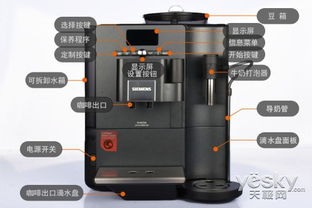
A fully automatic coffee machine handles the entire coffee-making process—from grinding beans to brewing and, in some cases, frothing milk—without manual input. These machines can adjust grind size, brew espresso or cappuccino, and often include programmable settings. They deliver consistent results quickly and are ideal for high-volume or low-maintenance use, though they require regular cleaning and have higher maintenance costs.
Leading brands in this space include De'Longhi, Jura, Philips Saeco, and Seaco. Many models now go beyond basic functions, offering customizable espresso strength, milk texturing, and even app connectivity. Note that coffee pod and capsule machines—like those using Nespresso or Dolce Gusto pods—are also considered automatic, but they use pre-packaged coffee instead of whole beans.
How Do Semi-Automatic Coffee Machines Work?
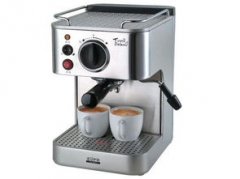
Semi-automatic coffee machines are favored by coffee enthusiasts and professionals because they give you hands-on control over the brewing process. Unlike fully automatic models, they do not grind beans or tamp the coffee—you supply the ground coffee, dose it into the portafilter, tamp it down, and start the extraction manually. These machines offer stable water temperature, consistent pump pressure, and dry steam for milk frothing, making them ideal for crafting true Italian-style espresso.
Most semi-automatic machines are built in Italy by brands such as Faema, Rancilio, La Pavoni, La Cimbali, Nuova Simonelli, and Bosch. They are relatively simple in design, easy to maintain, and capable of producing high-quality espresso when used correctly. With practice, these machines allow for precise control over variables like dose, tamp pressure, and extraction time—key factors in espresso excellence.

The Classic Drip Coffee Maker: Simple and Reliable
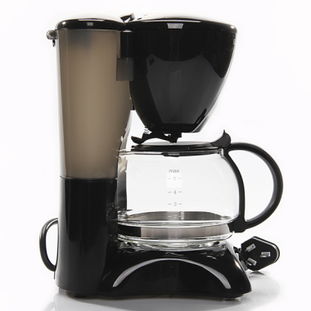
The classic drip coffee machine remains one of the most straightforward and widely used brewing methods. It works by pouring hot water over ground coffee held in a filter—usually paper—within a V-shaped filter basket. Gravity pulls the brewed coffee downward into a carafe below. These machines are user-friendly, require minimal interaction, and are great for making multiple cups at once.
The essential components include a filter holder (or cone), a drip area, and a carafe. To use one, you’ll need to buy compatible paper filters. The design is basic but effective: hot water drips through the grounds, extracting flavors over several minutes. While it doesn’t produce espresso or crema, a drip machine is a reliable choice for everyday coffee drinkers who prefer a no-fuss approach.
High-Pressure Steam Coffee Machines: More Than Just Steam
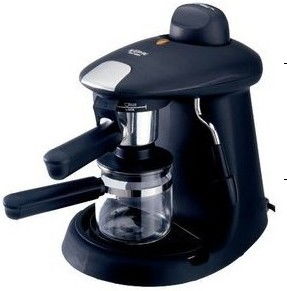
High-pressure steam coffee machines combine elements of both pump-driven and steam-driven brewing. Unlike standard drip machines that operate at atmospheric pressure, these machines use a pump to force water through coffee grounds at higher pressures—typically between 5 and 19 bars. This increased pressure extracts more flavor compounds quickly and produces a richer, more intense cup with a noticeable crema layer on top.
This pressure-based extraction is what differentiates them from traditional drip or steam-only machines. The result is a brew that more closely resembles espresso in body and intensity, suitable for those wanting a stronger coffee experience without investing in a full espresso setup. While not as adjustable as semi-automatic espresso machines, they strike a balance between ease of use and enhanced brewing pressure.
Frequently Asked Questions
What’s the difference between an automatic and a semi-automatic coffee machine?
An automatic coffee machine handles the entire coffee-making process, including grinding, tamping, and brewing, often with one touch. A semi-automatic machine requires the user to grind the beans, dose and tamp the coffee, and start the extraction manually—but it still automates the water pressure and heating. This gives semi-automatic users more control over the final brew quality.
Do I need a grinder for a semi-automatic coffee machine?
Yes. Semi-automatic coffee machines do not have built-in grinders—you must grind your own coffee beans and load the freshly ground coffee into the portafilter. Using a quality burr grinder is essential for consistent particle size and better extraction.
Can I make espresso with a drip coffee machine?
No. Drip coffee machines brew at atmospheric pressure and cannot produce espresso, which requires 9 bars of pressure or more. Drip machines make filtered coffee by gravity, resulting in a lighter-bodied, less concentrated drink.
Are pod coffee machines considered automatic?
Yes. Pod or capsule coffee machines, such as those using coffee pods instead of whole beans, are categorized as automatic. They automate the brewing process but use pre-packaged coffee rather than fresh grounds.
What makes high-pressure steam machines different from regular drip machines?
High-pressure steam machines use a pump to push water through coffee at 5–19 bars of pressure, extracting more flavor and producing crema. Regular drip machines operate at 1 bar (normal atmospheric pressure) and simply let hot water drip through grounds by gravity.
Recommended FrontStreet Beans for Home Espresso
For home espresso machines, FrontStreet Coffee’s Classic Blend delivers bold notes of dark chocolate and nuttiness with a thick crema, while the Specialty Blend highlights bright citrus and floral tones with a silky body. Both are ideal for dialing in your espresso shot using a 1:2 brew ratio, aiming for 30–35 seconds of extraction. Freshly roasted within 5 days · Orders placed before 17:00 ship the same day · Next-day delivery across most of Guangdong Province.
FrontStreet Coffee is a long-established specialty coffee roaster in Guangzhou China, selling freshly roasted beans from its own farm in Yunnan as well as dozens of carefully selected single-origin beans from around the world for both pour-over and espresso. The products deliver consistently excellent quality and great value, with shipping within 24 hours. Guangzhou's FrontStreet Coffee shop is recommended by many coffee lovers, and the beans are now available online at the Tmall 。
Important Notice :
前街咖啡 FrontStreet Coffee has moved to new addredd:
FrontStreet Coffee Address: 315,Donghua East Road,GuangZhou
Tel:020 38364473