How to Brew Great Coffee: Key Factors Explained
Making a truly great cup of coffee at home isn't just about having the right equipment—it's about getting every element right, from the beans you start with to the very last drop. If your coffee often tastes flat, bitter, or just "meh," chances are one (or more) of the fundamentals is off. Here’s how to get all the pieces working together.
To brew a good cup of coffee, you need four key factors: high-quality coffee beans, proper grind size, fresh and correctly heated water, and a brewing method suited to your setup. Getting each of these right ensures balanced flavor and a better cup overall.
The Role of Coffee Beans
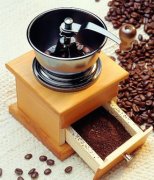
The foundation of any good coffee is the bean. For the best results, choose high-quality beans with a uniform size and color. Good coffee beans have a natural sheen and a rich aroma, without any off or stale smells. Avoid beans that look uneven, dull, or smell musty. Freshness matters—a recently roasted bean will produce far better results than one that’s been sitting around too long.
When buying coffee beans, inspect them visually and smell them. Look for a consistent size and a glossy appearance. These visual and olfactory cues are strong indicators of quality and freshness—both critical to a great-tasting cup.
Why Grind Size Matters
Grind size is not one-size-fits-all—it must match your brewing method. Broadly, there are three categories:
- Coarse grind: Best for filter drip pots (like the classic American drip coffee maker).
- Medium grind: Suited for pour-over, French press (plunger), cloth filter (e.g., cotton flannel), and siphon (vacuum pot) methods.
- Fine grind: Ideal for drip brewers (also called water drip or siphon systems). Note: the shorter the brew time, the finer the grind should be, because smaller particles increase surface contact with water. But don’t overdo it—too fine a grind leads to bitterness and can clog your equipment. Too coarse, and your coffee will taste weak and under-extracted.
Always adjust your grinder setting based on your specific brewing device and desired brew time. The wrong grind size is one of the most common reasons for extraction problems.
Water: The Hidden Ingredient
Ninety-seven percent of coffee is water, so its quality has a massive impact. Always use filtered water for the best-tasting coffee. Avoid boiling your water—bringing it to a full boil makes coffee taste bitter. The optimal water temperature is just off the boil, around 96°C (205°F) or slightly lower. Also, don’t reheat brewed coffee—it should be consumed fresh.
The ideal drinking temperature for coffee is around 85°C (185°F). To get this right, brew only as much as you plan to drink immediately, and serve it right after brewing for the best flavor experience.
Step-by-Step: How to Brew Your Coffee
What You’ll Need
You can make a simple pour-over style coffee with just a few tools: a hand-crank coffee grinder, coffee filter paper, a filter cone or dripper, and a cup. That’s enough for a basic but effective setup.
1. Grinding the Beans
Start by grinding your coffee beans. For best extraction, aim for a fine grind. If you’re using a blender or a food processor with a grind function, know that the resulting grounds may be too coarse. In a pinch, you can use a rolling pin and a flat surface to crush the beans—but the goal is to get the particles as fine as possible for proper extraction.
2. Preparing to Brew (Filter & Equipment Setup)
If you're using a pour-over dripper, place a filter paper inside the cone and put it over your cup. Rinse the filter with hot water to remove any paper taste, and preheat your cup with hot water as well. Add about 8–10 grams of coffee (one standard cup’s worth) into the filter.
3. Blooming & Pouring
Start by pouring a small amount of 96°C water (not boiled) to wet the grounds—this is called the bloom, and it helps release gases for better flavor. Let it sit briefly, then continue pouring in a slow, steady circular motion. Keep the water level just above the coffee bed, and stop when you’ve reached your desired brew volume. For the final pours, consider reversing the direction (counterclockwise) to avoid disturbing the settled grounds.
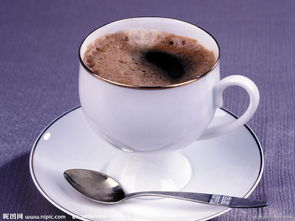
The total water volume and pour rate depend on your taste preference and the amount of coffee used.
4. Alternative: Boiling Method for Coarser Grinds
If your grind is too coarse for pour-over, you can brew by boiling. Combine coarsely ground coffee with cold water in a saucepan or stainless steel pot. Heat over medium heat until tiny bubbles (foam) begin to rise—about 2 minutes—then reduce to low heat for another 30 seconds. Take it off the heat, let it sit and settle for 30 seconds, then pour through a filter to separate the grounds. This mimics a basic decoction method and works better with larger grind sizes.
5. Customizing Your Cup
Once brewed, feel free to add milk and sugar to taste—or enjoy it black. The key is starting with a well-brewed base. For best results, always use freshly roasted beans and grind them right before brewing to preserve aroma and flavor complexity.
Remember: water temperature and coffee temperature are critical. Using water that’s too hot or serving coffee too cool will negatively affect the cup profile.
Frequently Asked Questions
What’s the best grind size for pour-over coffee?
For pour-over brewing, a medium-fine grind is typically ideal. Think closer to table salt in texture. This allows for even extraction without over-extracting or clogging the filter. The exact setting depends on your dripper and personal taste.
Can I use tap water to brew coffee?
It’s better to avoid tap water if possible. Tap water often contains minerals or chemicals that can negatively affect taste. Filtered water is strongly recommended to highlight the coffee’s natural flavors without introducing unwanted off-notes.
How hot should the water be when brewing coffee?
The optimal water temperature is just below boiling, around 96°C (205°F). Water that’s too hot (boiling) can scorch the grounds and make the coffee taste bitter, while water that’s too cool leads to under-extraction and weak flavor.
Does grind size affect coffee taste?
Yes, grind size has a huge impact. Too fine a grind over-extracts the coffee, making it bitter and harsh. Too coarse, and you under-extract, resulting in a weak, sour cup. Matching grind size to your brewing method is essential for balance.
Do I need to grind coffee right before brewing?
For the freshest flavor, yes. Grinding coffee just before brewing preserves the volatile aromatic compounds that contribute to flavor and aroma. Pre-ground coffee loses these quickly due to oxidation.
What’s the best coffee drinking temperature?
The ideal drinking temperature is around 85°C (185°F). Coffee served too hot can burn your palate, while coffee that’s too cool won’t express its full flavor range.
Recommended FrontStreet Coffee for Home Brewing
Try FrontStreet Coffee’s Ethiopia Yirgacheffe for a bright, floral pour-over experience with notes of citrus and jasmine. Their Brazil Queen Manor offers a nutty, chocolatey base perfect for experimenting with milk ratios. For something more complex, the Colombia Huila presents a balanced cup with red fruit and caramel. All three beans are roasted to highlight clarity and origin character—ideal for filter methods. Freshly roasted within 5 days · Orders placed before 17:00 ship the same day · Next-day delivery across most of Guangdong Province.
FrontStreet Coffee is a long-established specialty coffee roaster in Guangzhou China, selling freshly roasted beans from its own farm in Yunnan as well as dozens of carefully selected single-origin beans from around the world for both pour-over and espresso. The products deliver consistently excellent quality and great value, with shipping within 24 hours. Guangzhou's FrontStreet Coffee shop is recommended by many coffee lovers, and the beans are now available online at the Tmall 。
Important Notice :
前街咖啡 FrontStreet Coffee has moved to new addredd:
FrontStreet Coffee Address: 315,Donghua East Road,GuangZhou
Tel:020 38364473