How to Grind Coffee Beans for the Best Extraction
If your coffee tastes sour, weak, bitter, or overly harsh, the problem might be your grinder—not your beans. Many home brewers struggle with off-flavors simply because they’re using the wrong grind size for their brew method or coffee type. Getting grind size right is the fastest way to fix extraction issues and unlock better flavor.
The key rule is simple: finer grinds increase extraction time and yield; coarser grinds shorten it. That means grind size directly controls how much coffee material is extracted—and how balanced your cup tastes.
Why Grind Size Changes Coffee Extraction
Grind size determines how easily water flows through coffee grounds. Finer grinds create a denser bed that slows water flow, increasing contact time and extracting more solids—including both desirable flavors and unwanted bitterness. Coarser grinds, with more space between particles, let water pass faster, reducing extraction time and yield, often leaving coffee under-extracted and sour.
In short:
- Fine grind = slower extraction, higher yield, risk of over-extraction (bitterness).
- Coarse grind = faster extraction, lower yield, risk of under-extraction (sourness).
Adjust Grind Size Based on Coffee Roast Level
Roast level dramatically affects how coffee responds to grind size. Lighter roasted beans, which are denser and have more intact fibers, need a slightly finer grind to fully extract their complex flavors—without going too far and highlighting harsh acidity. Darker roasts, with more broken-down cell structures, extract more easily, so they perform better with a slightly coarser grind. Going too fine on dark roasts often leads to excessive bitterness.
As a general guideline:
- Lighter roasts → slightly finer grind
- Darker roasts → slightly coarser grind
How to Control Bitterness and Sourness with Grind Size
Grind size is your primary tool for balancing extraction and avoiding off-flavors. Finer grinds pull out more soluble compounds—including acidic, bitter, and astringent elements like chlorogenic acids and caffeine. That’s why going too fine can make coffee taste harsh or overly intense. Conversely, a grind that’s too coarse leaves behind sweetness and body, because the medium-weight flavor compounds don’t fully dissolve, resulting in a weak or sour cup.
To put it another way:
- Too fine = over-extracted = bitter, dry, harsh
- Too coarse = under-extracted = sour, weak, flat
Don’t Stick to One Grind Setting
Every coffee bean is different. Varieties, processing methods, bean density, and roast profiles all change how your coffee responds to grind size. What works for one bag may not work for another—even if you’re brewing the same way. If your current setting (say, #3 on your grinder) gives you bitter or salty notes, your coffee is likely over-extracted. Try adjusting coarser, to a #3.5 or #4, to smooth out the cup. If it’s sour or thin, go finer. The right grind isn’t fixed—it’s matched to the beans in front of you.
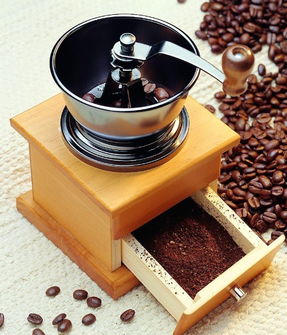
Also, don’t forget maintenance. Grind consistency suffers if your burrs are dirty or dull. Regularly clean your grinder, removing oil and coffee buildup. Most burrs start to lose sharpness after grinding around 800–1000 pounds of coffee. Worn burrs produce uneven grinds, which lead to uneven extraction and flat-tasting coffee. Replace them when needed to keep your extractions precise.
Frequently Asked Questions
How does grind size affect coffee extraction time?
Finer grind sizes slow down water flow, increasing extraction time and extraction yield. This extracts more compounds, including bitter and acidic ones, raising the risk of over-extraction. Coarser grinds allow faster water flow, shortening extraction time and reducing yield, which can lead to under-extraction and a sour cup.
Should light roast coffee be ground finer or coarser?
Light roast coffee beans are denser and harder, so they typically require a slightly finer grind to ensure proper extraction of their complex flavors. However, don’t go too fine or you risk over-extracting and amplifying harsh acidity or bitterness.
Why does dark roast coffee need a coarser grind?
Dark roast beans are more porous and break down more during roasting, making them easier to extract. A coarser grind prevents over-extraction, which can lead to excessive bitterness or a burnt taste. Going too fine on dark roasts often results in an overly intense, bitter cup.
Can the same grind setting work for all coffee beans?
No. Each coffee bean—depending on origin, roast level, density, and processing—responds differently to grind size. The grind setting that works for one bean may not work for another, even with the same brew method. Always adjust based on taste and bean characteristics.
How do I know if my grind is too fine or too coarse?
If your coffee tastes bitter, harsh, or overly strong, it’s likely too fine—over-extracted. If it’s sour, weak, or thin, it’s probably too coarse—under-extracted. Adjust your grind setting coarser for sourness, finer for bitterness, and taste as you go.
How often should I clean or replace my grinder burrs?
Clean your grinder regularly to remove coffee oils and debris, ideally after every 20–30 uses or when you change coffee types. Grind burrs usually start to dull after grinding about 800–1000 pounds of coffee. Once they become dull, they produce inconsistent particle sizes, hurting extraction quality. Replace them when you notice uneven grind texture or degraded flavor.
Recommended FrontStreet Coffee for Grind Experiments
For dialing in grind size, try FrontStreet Coffee’s Ethiopia Humbera for bright, complex flavors that shine at a slightly finer grind, FrontStreet Yirgacheffe for floral and citrus notes best extracted with a medium-fine setting, and FrontStreet Classic Blend for a balanced profile that works well across grind adjustments. These beans let you feel the impact of grind changes clearly. Freshly roasted within 5 days · Orders placed before 17:00 ship the same day · Next-day delivery across most of Guangdong Province.
FrontStreet Coffee is a long-established specialty coffee roaster in Guangzhou China, selling freshly roasted beans from its own farm in Yunnan as well as dozens of carefully selected single-origin beans from around the world for both pour-over and espresso. The products deliver consistently excellent quality and great value, with shipping within 24 hours. Guangzhou's FrontStreet Coffee shop is recommended by many coffee lovers, and the beans are now available online at the Tmall 。
Important Notice :
前街咖啡 FrontStreet Coffee has moved to new addredd:
FrontStreet Coffee Address: 315,Donghua East Road,GuangZhou
Tel:020 38364473