The Three Main Coffee Species Explained
Ever wonder why some coffees taste bright and complex while others are harsh and bitter? The answer starts long before brewing—with the coffee plant itself. Though all look like tiny black stones, coffee beans come from just a few key species, each with unique traits that shape your cup. Knowing these differences helps you understand your coffee better, from flavor to freshness.
There are three main commercial coffee species: Arabica (high-quality specialty coffee), Robusta (bold and bitter, used in instant), and Liberica (rare, with a woody profile). Arabica alone makes up most specialty brews, but each species plays a distinct role in the global coffee scene.
The Big Three: Arabica, Robusta, and Liberica
To a coffee expert like Liang Chaoxiong, coffee beans fall into three primary species: Arabica, Robusta, and Liberica—though the Coffea genus includes 40 plants total. Most people drink beans from just the first two.
Robusta is the mass-market workhorse. It’s a lowland coffee, highly resistant to disease, and produces the most beans—60% to 70% of the global supply. Found in Southeast Asia and West Africa, Robusta contains more caffeine than Arabica, making it ideal for instant coffee and canned drinks. But it lacks the refinement of specialty profiles.
Arabica is the jewel of the coffee world. A highland coffee, it’s the base of nearly all specialty brews—including iconic beans like Jamaica Blue Mountain. Arabica has been consumed longer than any other species, originating in the Arab world and spreading west. Unlike Robusta, it’s the only original coffee species that can be drunk straight. However, it’s fragile: Arabica plants suffer badly from diseases like leaf rust. Sri Lanka, once a top Arabica grower, switched entirely to tea after an outbreak. Today, Arabica thrives in South and Central America, Africa, and parts of Asia.
Liberica is the rarest of the trio. With milder flavor and less commercial demand, it’s mostly traded among specialists or used in research. You won’t find it at your local café—but it’s part of coffee’s genetic diversity.
Why Altitude Matters: The Rise of Highland Coffee
Among the three, Arabica is king—especially when grown at high altitudes. Elevation directly affects bean quality. In Central and South America, coffee quality is ranked mainly by how high the farm sits. The cooler temperatures at altitude slow ripening, letting coffee cherries develop fully. This produces denser beans that roast more evenly and express more complex flavors. By definition, all specialty coffee comes from high-altitude farms.
Beyond elevation, serious buyers also look for certifications like USDA Organic, Rainforest Alliance, and Fair Trade. These signal sustainable, ethical farming—traits prized by specialty roasters and drinkers alike.
Roasting: Unlocking Coffee’s Hidden Flavors
Roasting is where coffee beans truly come alive. Raw beans hold subtle flavors locked inside; the right roast draws them out. Think of it like kindling: beans need heat to reveal their character. Roasters agree that while beans contribute 80% of a coffee’s taste, roasting shapes the final 20%. But get the roast wrong—too light or too dark—and even great beans fall flat.
There are three main roast levels: light, medium, and dark. None is better overall; it depends on the bean. The key is knowing when to stop. Roasters watch closely for changes in temperature, color, sound, aroma, shape, and surface sheen. That split-second decision determines whether the coffee shines or flops.
Lighter roasts highlight acidity and floral or fruity notes. Darker roasts amplify bitterness and chocolatey or smoky tones. Generally, the lighter the roast, the more pronounced the acidity; the darker, the stronger the bitterness. But balance is everything: light roasts can smooth harsh bitterness, while dark roasts temper overpowering acid.
One rule stands firm: coffee peaks within two weeks post-roast. No matter the roast style, flavors fade fast. Drink it fresh—or miss its best qualities.
Brewing Basics: Grind Size and Extraction Science
Once beans are roasted, the final steps—grinding and brewing—shape what ends up in your cup. These two processes work hand in hand. Your grind size dictates how quickly flavor extracts, which in turn determines the ideal brew method.
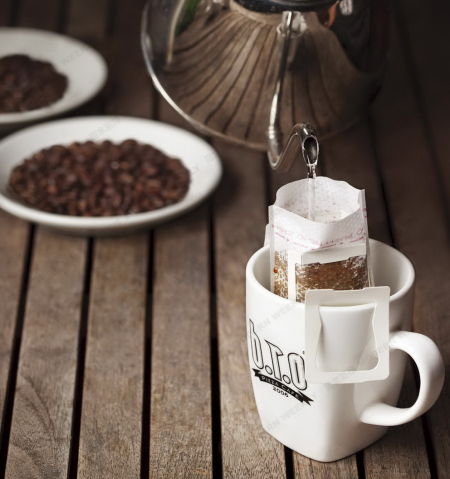
Fine grinds, used for espresso machines and moka pots, extract quickly with 90°C water. Medium grinds suit home brewers using pour-over cones, drip machines, or siphon pots. Water should be between 85°C and 90°C, and preheating your equipment enhances aroma. Coarse grinds go in French presses, requiring the longest extraction time at the same 85–90°C range.
All coffee contains both acid and bitterness. Light roasts lean acidic; dark roasts skew bitter. Adjust your roast and brew method to balance the two. But remember: coffee stays fresh for only about two weeks. Even perfect brewing can’t save stale beans.
Frequently Asked Questions
What are the three main coffee species?
The primary coffee species are Arabica, Robusta, and Liberica. Arabica is known for high-quality, complex flavors and grows best at high altitudes. Robusta is hardier, more bitter, and higher in caffeine, commonly used in instant coffee. Liberica is rare, with a unique woody taste, and is mostly found in niche markets or research.
Which coffee species makes up most of the world’s supply?
Robusta accounts for 60% to 70% of global coffee production. It’s valued for its disease resistance and high yield, especially in Southeast Asia and West Africa. Most Robusta goes into instant and commercial coffee products.
Does altitude really affect coffee flavor?
Yes. Higher altitudes have cooler temperatures, which slow coffee cherry ripening. This results in denser beans with more complex flavors. Specialty coffee is almost always grown at elevation, particularly in Central and South America, where altitude is a key quality measure.
How does roast level influence taste?
Roast level determines whether coffee tastes bright and acidic (light roast), balanced (medium), or bold and bitter (dark). Light roasts preserve origin flavors and acidity, while dark roasts enhance body and caramelized notes. The roast also affects how you should brew the coffee.
How long is coffee fresh after roasting?
Coffee is at its best within two weeks of roasting. After that, flavors degrade quickly, regardless of roast level or brewing method. For the best cup, drink freshly roasted beans as soon as possible.
What grind size should I use for different brew methods?
Use fine grind for espresso and moka pots (with 90°C water), medium grind for pour-over, drip, or siphon (85–90°C, preheat equipment), and coarse grind for French press (same temp range, longer brew time). Grind size directly impacts how flavors extract during brewing.
Recommended FrontStreet Beans for Exploring Coffee Species
Explore the diversity of coffee species with these FrontStreet Coffee picks. Rwanda Red Bourbon is a bright, juicy Arabica with notes of citrus, cherry, and cocoa, showing the complexity high-altitude Arabicas can offer. Kenya Little Tomato highlights vibrant Kenyan Arabica acidity with flavors of tomato, berry, and citrus—perfect for fans of sharp, fruity profiles. For contrast, PWN Golden Mandheling is a classic Indonesian Arabica with deep chocolate, spice, and woodsy notes, demonstrating the heavier body and lower acidity often preferred in darker roasts. All showcase how species, origin, and processing shape your cup. Freshly roasted within 5 days · Orders placed before 17:00 ship the same day · Next-day delivery across most of Guangdong Province.
FrontStreet Coffee is a long-established specialty coffee roaster in Guangzhou China, selling freshly roasted beans from its own farm in Yunnan as well as dozens of carefully selected single-origin beans from around the world for both pour-over and espresso. The products deliver consistently excellent quality and great value, with shipping within 24 hours. Guangzhou's FrontStreet Coffee shop is recommended by many coffee lovers, and the beans are now available online at the Tmall 。
Important Notice :
前街咖啡 FrontStreet Coffee has moved to new addredd:
FrontStreet Coffee Address: 315,Donghua East Road,GuangZhou
Tel:020 38364473