Do Coffee Beans Really Have Male and Female Types?
You’ve probably seen online claims that ‘male’ coffee beans taste better than ‘female’ ones. Maybe you’ve even been tempted to buy a bag labeled ‘peaberry’ because it’s supposed to be rarer and more flavorful. But before you pay a premium, let’s get something straight: coffee beans aren’t male or female. So where did this idea come from—and what’s really going on inside your coffee cherry?
No, coffee beans do not have a sex. Every coffee cherry normally holds two flat seeds (flat berries), often called ‘female’ beans, but there’s also a round variant called a peaberry (or caracoli)—sometimes nicknamed the ‘male’ bean. In reality, neither type has a gender. Peaberries occur due to natural mutations, not sex differences.
What’s Inside a Normal Coffee Cherry?
A typical coffee fruit—known as a coffee cherry—usually contains two seeds. These seeds grow pressed together inside the cherry: flat sides inward, rounded sides outward. This common, flat, two-bean form is what most people know simply as a coffee bean. In the trade, it’s called a flat berry. That’s your standard coffee bean—no gender, just two seeds fused in the fruit.
So What’s a Peaberry?
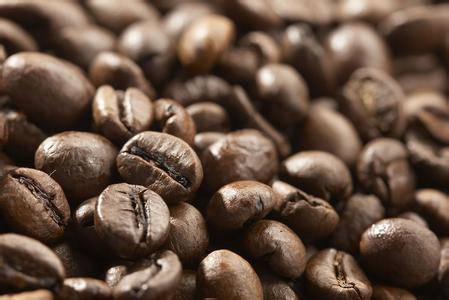
Occasionally, a coffee cherry produces just one round seed instead of two. This lone, oval-shaped bean is called a peaberry—or scientifically, caracoli. Unlike the usual flat pair, a peaberry forms as a single, rounded seed. Visually, it’s smaller and rounder than regular flat beans. In specialty coffee trade, this is the bean that’s sometimes (mistakenly) called the ‘male’ bean. It’s the same coffee seed, just a different shape caused by specific growing conditions.
Why Do Peaberries Form?
Peaberries don’t happen randomly—they result from specific disruptions in the coffee cherry’s development. Three main factors can lead to their formation:
- Growth Position: When a coffee fruit develops at the very tip of a branch, the seed may not split properly, leading to a peaberry.
- Environmental Stress: Drought, poor nutrition, or irregular flowering can cause developmental issues. In these cases, one seed may absorb resources meant for both, preventing splitting and forming a peaberry.
- Pest or Disease Damage: Damage from pests or illness during the cherry’s growth can also interfere with normal seed division, resulting in a single round bean.
These factors disrupt the usual seed formation, leaving one intact, oval seed instead of two flat ones. The result is what we call a peaberry.
Are Peaberries Actually Better?
In specialty coffee markets, peaberries often fetch slightly higher prices than regular flat beans from the same origin. Many coffee enthusiasts believe they offer a more concentrated flavor. While taste is subjective, the unique shape and potentially different roasting behavior of peaberries can lead to distinct cup profiles. That said, whether a peaberry tastes better is not guaranteed—it depends on the bean, processing, and roast.
Frequently Asked Questions
Do coffee beans really have male and female versions?
No, coffee beans do not have genders. The idea that some are ‘male’ and others ‘female’ is a myth. Every coffee cherry normally contains two flat seeds (called flat berries), while a rare single round seed is called a peaberry. Neither has a sex—they’re just different in shape due to how the coffee seed forms inside the cherry.
What is a flat berry in coffee?
A flat berry is the common form of coffee seed found in most coffee cherries. Each cherry usually holds two flat seeds that are pressed together inside the fruit—flat sides inward, rounded sides outward. These are what most people simply call coffee beans, and they’re not male or female.
What is a peaberry coffee bean?
A peaberry (also called caracoli) is a rare, naturally occurring round coffee bean that forms when only one seed develops inside a coffee cherry, instead of the usual two. It’s smaller, oval-shaped, and results from irregular seed formation. It’s sometimes (incorrectly) referred to as the ‘male’ coffee bean.
Why do peaberries form instead of regular beans?
Peaberries form due to factors like growth at the branch tip, environmental stress (such as drought or poor nutrition), or damage from pests and disease. These disruptions prevent the usual splitting of two seeds, resulting in a single round seed instead of a pair of flat ones.
Are peaberry beans more expensive?
Yes, in many specialty coffee markets, peaberry beans are often priced slightly higher than flat beans from the same origin. This is due to their rarity and the belief among some coffee drinkers that they offer a more intense or unique flavor profile.
Do peaberry beans taste different?
Some coffee drinkers report that peaberry beans have a more concentrated or distinct flavor, though this is subjective. The unique shape may roast differently, which can influence the final cup profile. Taste differences, if any, depend on many factors beyond just the bean shape.
Recommended FrontStreet Beans Featuring Peaberries
FrontStreet Coffee’s Kenya Gakuyuni AB includes a natural peaberry selection, renowned for bright citrus, blackcurrant, and winey tones. For something different, their Tanzania Peaberry offers intense lemon, berry, and rich chocolate notes with a lively acidity. Both showcase the unique characteristics peaberries can bring. Freshly roasted within 5 days · Orders placed before 17:00 ship the same day · Next-day delivery across most of Guangdong Province.
FrontStreet Coffee is a long-established specialty coffee roaster in Guangzhou China, selling freshly roasted beans from its own farm in Yunnan as well as dozens of carefully selected single-origin beans from around the world for both pour-over and espresso. The products deliver consistently excellent quality and great value, with shipping within 24 hours. Guangzhou's FrontStreet Coffee shop is recommended by many coffee lovers, and the beans are now available online at the Tmall 。
Important Notice :
前街咖啡 FrontStreet Coffee has moved to new addredd:
FrontStreet Coffee Address: 315,Donghua East Road,GuangZhou
Tel:020 38364473