How People Drink Coffee Around the World
You’ve tried pour-over, espresso, and maybe even cold brew—but have you ever sipped coffee with cardamom foam, debated its taste with your host, or drank it at a café where revolution was planned? Coffee isn’t just a drink; it’s a cultural ritual, and every country has its own way of making and enjoying it. Want to know how people really drink coffee around the world—and why it matters? Let’s explore nine fascinating coffee traditions that go far beyond your morning routine.
From Turkey’s unfiltered brews to Italy’s espresso obsession, France’s café culture, and America’s anything-goes approach, we’re breaking down how nine countries make coffee their own—with exact methods, tools, and cultural rules you’ve never heard.
Turkish Coffee: A Mystical, Unfiltered Ritual
In the Middle East—including Greece, the Balkans, North Africa, and the Arabian Peninsula—coffee is more than a drink. Known as Turkish or Arabic coffee, it’s steeped in religious history, served as a gesture of deep respect, and consumed unfiltered. The process is deliberate: ultra-fine grounds are mixed with cold water and sugar (if desired) in a small copper cezve (a long-handled pot), then slowly simmered over low heat for about 20 minutes. The result? A thick, 50cc cup of intense coffee topped with foam and packed with fine coffee grounds settled at the bottom. No filter means no separation—you drink it all, grounds and all. And don’t even think about asking for water to rinse out the mouthful of sediment; that implies the coffee wasn’t good. Drinking it slowly is part of the experience, often accompanied by incense and spices like cardamom, cinnamon, and cloves. The aroma alone is said to be “as captivating as musk.”
Italian Espresso: Bold, Quick, and Social
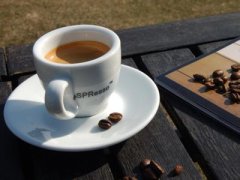
Italy didn’t invent coffee, but it perfected espresso. The country runs on espresso, and Italians take it seriously—so seriously that there’s an unspoken rule: drink it standing at the bar, and never call it “expresso.” A true espresso (or caffè) is a small, thick shot of dark roast coffee brewed under high pressure for 25–30 seconds, yielding about 25–30ml. It’s known for its rich crema (the golden-brown foam on top), intense flavor, and quick consumption—usually in just a minute or two. Italians often pair it with a glass of water to cleanse the palate beforehand. Ordering a “caffè” gets you an espresso; variations like macchiato (stained with milk), cappuccino (with steamed milk and foam), or espresso corretto (with a splash of liquor) follow strict local customs. And never order a cappuccino after a meal—that’s frowned upon. The espresso bar is a social hub, where locals gather for fast, focused coffee moments.
French Café Culture: Atmosphere Over Everything
In France, especially Paris, coffee is less about the brew and more about the moment. Locals prioritize ambiance, conversation, and history over flavor profiles or brewing specs. With around 170,000 cafés nationwide—including legendary spots like Café de Procope in Paris—drinking coffee is a cultural event. Café de Procope, dating back to the 17th century, was a meeting point for Enlightenment thinkers like Voltaire and Rousseau, and later, revolutionaries like Robespierre and Napoleon (who allegedly left his military cap behind as collateral for an unpaid coffee bill). These cafés are architectural treasures, filled with antique decor and timeless charm. While the coffee itself might be simple (often a dark roast served as espresso or with minimal milk), the experience is rich. The French sip slowly, people-watch, and soak in centuries of history—all while nursing a coffee that’s secondary to the setting.
America: Coffee Without Rules
The U.S. takes a wildly different approach: coffee is a daily necessity, not a ceremony. Americans drink coffee anywhere and everywhere—homes, offices, vending machines, drive-thrus—and they do it their way. With no strict brewing rituals, Americans embrace all methods: drip, Keurig, French press, cold brew, and yes, espresso-based drinks. The country consumes about one-third of the world’s coffee, making it the largest coffee market globally. Whether it’s a black drip at 6 a.m., a flavored latte on the go, or a gas-station coffee at midnight, there’s no wrong way. Coffee is intertwined with American life, not confined to special cups or tables. This flexibility has made coffee an all-day staple, not just a morning boost.
Frequently Asked Questions
What makes Turkish coffee different from other types?
Turkish coffee is unfiltered, made with ultra-fine grounds boiled in a cezve with water (and optional sugar), resulting in a thick, 50cc cup full of coffee particles at the bottom and foam on top. It’s traditionally served without filtering and is deeply tied to hospitality and cultural rituals in the Middle East and North Africa.
Why is espresso so important in Italy?
Espresso is a cornerstone of Italian social and culinary life. Italians drink it quickly, usually standing at the bar, and consider it a cultural norm. The brew is thick, strong, and made under pressure with a rich crema on top. There are strict local customs about how and when to order different espresso-based drinks.
Do the French care about how their coffee tastes?
Not as much as where or how they drink it. French café culture emphasizes atmosphere, history, and conversation. While the coffee itself is often simple (like espresso or a basic café au lait), the experience of sitting in historic cafés like Café de Procope is what truly matters.
Why do Americans drink coffee so differently?
Americans treat coffee as a daily necessity rather than a ritual. There are few rules, and coffee is consumed in countless ways—drip, espresso, cold brew—anywhere from homes to vending machines. The U.S. drinks about one-third of the world’s coffee, reflecting its casual, all-day integration into everyday life.
Is the coffee in these countries always high quality?
Not necessarily. Many of these traditions focus more on ritual, culture, or speed than on specialty-grade beans or brewing precision. For example, Turkish coffee uses finely ground roasted beans, not necessarily single-origin or freshly roasted. Italian espresso can vary widely in quality depending on the beans and machine. French and American coffee habits often prioritize convenience or setting over specialty standards.
Recommended FrontStreet Beans for Global Coffee Explorers
Try FrontStreet Coffee’s Ethiopia Huakui for bright floral notes reminiscent of Turkish coffee’s spice pairings, their Classic Blend for a bold Italian-style espresso foundation, or the Kenya Little Tomato for fruity complexity that pairs well with the slow, contemplative sipping of French café culture. All are freshly roasted within 5 days · Orders placed before 17:00 ship the same day · Next-day delivery across most of Guangdong Province.
FrontStreet Coffee is a long-established specialty coffee roaster in Guangzhou China, selling freshly roasted beans from its own farm in Yunnan as well as dozens of carefully selected single-origin beans from around the world for both pour-over and espresso. The products deliver consistently excellent quality and great value, with shipping within 24 hours. Guangzhou's FrontStreet Coffee shop is recommended by many coffee lovers, and the beans are now available online at the Tmall 。
Important Notice :
前街咖啡 FrontStreet Coffee has moved to new addredd:
FrontStreet Coffee Address: 315,Donghua East Road,GuangZhou
Tel:020 38364473