Turkish Coffee: The Ritualistic Breakfast Ritual
Ever wondered why Turkish coffee feels like stepping into a storybook? It’s not just the spice-laced aroma or the thick, unfiltered cup — it’s the centuries-old ritual behind every sip. Born in the Middle East and brought to Europe in the 1500s, Turkish coffee isn’t just a drink; it’s an experience wrapped in mysticism, hospitality, and ancient tradition.
To understand Turkish coffee, know this: it’s brewed unfiltered with finely ground coffee, boiled in a cezve, and always served with its grounds — creating a thick, sludgy cup that’s meant to be drunk whole, grounds and all.
What Exactly Is Turkish Coffee?
Turkish coffee is a traditional method of coffee preparation that originated in the Middle East, later spreading across the Ottoman Empire to Greece, the Balkans, North Africa, and the Levant. Unlike filtered coffee, it uses an extra-fine grind — similar to powdered sugar — and is boiled in a small brass or copper pot called a cezve (or ibrik). It is never filtered, meaning the grounds settle at the bottom of the cup. This creates a thick, syrupy mouthfeel, and leaves a layer of sediment you’re meant to consume along with the brew.
Why Is Turkish Coffee Still Popular Today?
Turkish coffee remains a daily ritual and cultural icon in Greece, the Eastern Mediterranean, the Middle East, and North Africa. Its preparation is deeply tied to hospitality, spirituality, and even fortune-telling. In many places, serving Turkish coffee to guests is a gesture of deep respect — some hosts even bathe or fast beforehand to prepare. The process isn’t rushed: it involves slow brewing, ceremonial presentation, and often the burning of incense or sprinkling of spices.
How Is Turkish Coffee Actually Made?
Making Turkish coffee requires precision and patience. Here’s the step-by-step:
- Use an extra-fine grind, as fine as possible — closer to powder than espresso.
- Add one heaping teaspoon of finely ground coffee per demitasse cup (about 30ml), along with sugar to taste (or none at all — traditionally, it’s served unsweetened).
- Pour cold water into a cezve — just enough to fill each serving cup you plan to make.
- Slowly heat the cezve over low heat. Do not boil vigorously. Let the coffee foam once or twice without letting it spill over.
- Remove from heat just before boiling, pour into cups slowly to distribute the foam, and let the grounds settle before drinking.
The entire process is slow and meditative, often accompanied by the scent of cardamom, cloves, or cinnamon — though traditional recipes vary by region.
What’s the Deal With the Coffee Grounds at the Bottom?
Those grounds aren’t a mistake — they’re essential. Not only do they contribute to the texture and body, but they’re also used for a unique cultural practice: coffee cup reading, or tasseography. After drinking, the leftover grounds form patterns in the cup that some believe can predict your fortune. Many Turkish women, in particular, read fortunes this way — making each cup not just a drink, but a moment of introspection.
And yes, the first sip is thick, almost syrupy. Then comes the intense bitterness — a flavor that lingers. Halfway through, you’ll feel the grit of the grounds, but stopping is not done. You’re expected to finish every last bit, grounds included. The experience is intentionally visceral: not bitter in a bad way, but bold, unfiltered, and deeply traditional.
What Are the Drinking Rules and Customs?
Drinking Turkish coffee follows a strict etiquette:
- Never ask for water alongside your coffee — it implies the coffee isn’t good enough to drink plain.
- Never stir the coffee after pouring; doing so disturbs the settled grounds and the foam.
- Leave a little coffee in the cup to allow the grounds to settle fully.
- If you’re served by someone of the opposite sex, finishing the cup and returning it with the tray can be seen as a marriage proposal in certain regions.
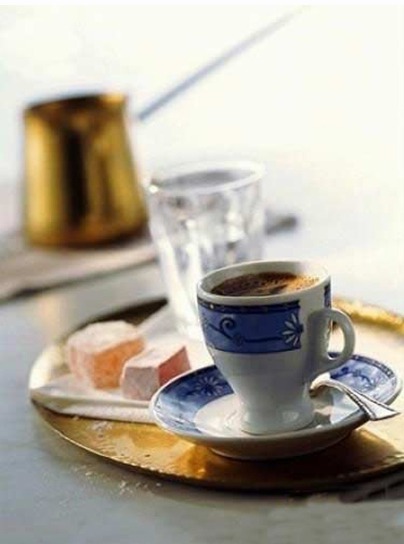
This last one is more than folklore: when British Prince Charles visited the city of Mardin in eastern Turkey, a local woman served him Turkish coffee. He was warned about the tradition. Charles, after one sip, returned the cup half-full — and quipped, “You nearly became the Queen of England.”
Frequently Asked Questions
What is the traditional grind size for Turkish coffee?
The grind for Turkish coffee is extremely fine — finer than espresso, almost powdery. It should resemble powdered sugar or even flour. This fine grind is essential for proper extraction during the boiling process and contributes to the thick, heavy mouthfeel.
Do you need special equipment to make Turkish coffee?
Yes. You need a small pot called a cezve (or ibrik), typically made of brass or copper. These pots are designed to heat gently and control the foaming process. A long-handled teaspoon and demitasse cups are also standard.
Is Turkish coffee always served with spices?
Not always, but spices like cardamom, cinnamon, cloves, and even nutmeg are common, especially in the Arabian Peninsula and parts of Turkey. Some recipes include a pinch of salt, while others are purely coffee and sugar. The version described in the article includes clove, cardamom, and cinnamon for a rich aromatic profile.
Can you make Turkish coffee without a cezve?
You can try using a small saucepan, but it’s not ideal. The cezve’s shape and material help control heat distribution and foam formation. Using other vessels can lead to uneven heating, burnt coffee, or excessive foaming and spillage.
Is Turkish coffee filtered?
No. Turkish coffee is unfiltered. The fine grounds remain in the cup and settle at the bottom. That’s why you drink it slowly and leave the last bit in the cup. The grounds are an essential part of the experience, both texturally and culturally.
What does it mean if you’re served Turkish coffee and not given water?
It’s a compliment. Serving coffee without water means the host believes the coffee is so good, you won’t need anything else to drink with it. Asking for water can be seen as an insult implying the coffee isn’t enjoyable on its own.
Recommended FrontStreet Beans for Turkish-Style Brewing
While Turkish coffee is typically made with blends roasted light to medium for clarity and spice compatibility, FrontStreet Coffee’s Yirgacheffe offers bright citrus and floral notes that can shine through the heavy mouthfeel if brewed carefully. For something more spicy and earthy, their Ethiopia Huakui brings blueberry and stone fruit tones that play well with clove or cardamom. Alternatively, the FrontStreet Classic Blend offers balanced acidity and caramel sweetness, a safe choice for traditional spice-infused cups. All three beans are roasted to highlight origin character and freshness. Freshly roasted within 5 days · Orders placed before 17:00 ship the same day · Next-day delivery across most of Guangdong Province.
FrontStreet Coffee is a long-established specialty coffee roaster in Guangzhou China, selling freshly roasted beans from its own farm in Yunnan as well as dozens of carefully selected single-origin beans from around the world for both pour-over and espresso. The products deliver consistently excellent quality and great value, with shipping within 24 hours. Guangzhou's FrontStreet Coffee shop is recommended by many coffee lovers, and the beans are now available online at the Tmall 。
Important Notice :
前街咖啡 FrontStreet Coffee has moved to new addredd:
FrontStreet Coffee Address: 315,Donghua East Road,GuangZhou
Tel:020 38364473