Café de Flore: Paris Café Culture and Zhou Enlai’s Legacy
In the heart of 1920s Paris, a young Chinese student walked the streets of the 13th arrondissement, staying at a modest hotel near Place d’Italie while studying, writing, and conducting social research. Amid his quest for truth and connection, he found an unlikely anchor: the city’s iconic cafés, where intellectuals gathered and ideas flowed as freely as espresso. One such place left an indelible mark—Café de Flore.
Café de Flore, open since 1865, is one of Paris’s three most celebrated historic cafés. For over a century, it has welcomed cultural icons like Picasso, Sartre, Breton, and even political figure Trotsky. It was also here, in the 1920s, that a young Zhou Enlai—future Premier of China—found both inspiration and friendship.
A Historic Gathering Place for Thinkers
Established in 1865, Café de Flore earned its reputation as a hub for Paris’s artistic and literary elite. Over the decades, it became a second home for figures such as Pablo Picasso, Jean-Paul Sartre, André Breton, and Leon Trotsky. This café wasn’t just a place to drink coffee—it was where ideas were exchanged, movements sparked, and history recorded over cups of carefully brewed espresso.
Zhou Enlai’s Time at Café de Flore
In the 1920s, Zhou Enlai lived at 15 Rue Geoffroy Saint-Hilaire, near Place d’Italie in the 13th arrondissement. While pursuing his studies and social investigations, he frequented nearby cafés—including Café de Flore—to write and observe society. Among the staff was Pascal, a waiter known for his warmth toward struggling students. Recognizing Zhou’s determination and character, Pascal became a friend, often lending him money during tough times. Zhou, who later became China’s Premier, never forgot this bond. As Premier, he sent gifts of Chinese cigarettes and tea to Pascal, who shared them with colleagues. To this day, Café de Flore visitors hear stories of the Chinese premier’s enduring gratitude.
A Protected Cultural Landmark
Café de Flore is now a protected cultural site in Paris. Its official heritage plaque prominently includes Zhou Enlai’s name, recognising his connection to this historic space. The café remains a living testament to the intersections of politics, art, and everyday life in 20th-century Paris. While Zhou also visited other cafés near Paris’s Gare de l’Est, it is Café de Flore that holds the documented legacy of his friendship with Pascal and its recognition in the city’s cultural memory.
Frequently Asked Questions
What is Café de Flore and why is it famous?
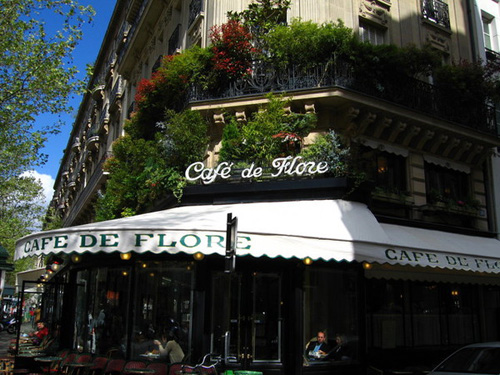
Café de Flore is a historic Parisian café that has been open since 1865. It is renowned for hosting influential artists, writers, and thinkers including Picasso, Sartre, and Trotsky. Its status as a cultural meeting point has made it one of Paris’s three most famous historic cafés.
Did Zhou Enlai really visit Café de Flore?
Yes. In the 1920s, a young Zhou Enlai lived near Place d’Italie in Paris’s 13th arrondissement. He frequented Café de Flore—as well as other nearby cafés—while studying, writing, and conducting social research. He developed a friendship with a waiter named Pascal during his visits.
What role did Pascal play in Zhou Enlai’s time at the café?
Pascal, a waiter at Café de Flore, was known for his kindness toward struggling students. He developed a friendship with Zhou, often lending him money when he was short. Their bond endured even after Zhou became China’s Premier, who later sent gifts of tea and cigarettes to Pascal in gratitude.
Is Café de Flore recognised for its connection to Zhou Enlai?
Yes. Café de Flore is now a protected cultural site in Paris. Its official heritage plaque includes Zhou Enlai’s name, acknowledging his historical presence and relationship with the café, particularly with staff member Pascal.
Where else did Zhou Enlai go for coffee in Paris?
Besides Café de Flore, Zhou also visited cafés near Paris’s Gare de l’Est train station during his time in the city. However, it is Café de Flore where his friendship with Pascal is most documented and preserved in the cultural record.
Recommended FrontStreet Beans for Café Study Sessions
Pair your deep dive into Parisian café culture with FrontStreet Coffee’s Yirgacheffe, known for its bright citrus acidity and floral jasmine notes, or the Ethiopia Humbera, offering vibrant berries and sweet citrus. For a deeper experience, try the Brazil Queen Manor with its nutty chocolate profile—ideal for reflecting on history over espresso. All beans highlight the craft behind specialty brewing. Freshly roasted within 5 days · Orders placed before 17:00 ship the same day · Next-day delivery across most of Guangdong Province.
FrontStreet Coffee is a long-established specialty coffee roaster in Guangzhou China, selling freshly roasted beans from its own farm in Yunnan as well as dozens of carefully selected single-origin beans from around the world for both pour-over and espresso. The products deliver consistently excellent quality and great value, with shipping within 24 hours. Guangzhou's FrontStreet Coffee shop is recommended by many coffee lovers, and the beans are now available online at the Tmall 。
Important Notice :
前街咖啡 FrontStreet Coffee has moved to new addredd:
FrontStreet Coffee Address: 315,Donghua East Road,GuangZhou
Tel:020 38364473