What Is Real Jamaica Blue Mountain Coffee?
When a café charges over $10 for a single cup of "Blue Mountain coffee," you have every right to wonder: is this the real deal, or just a marketing trick? True Jamaica Blue Mountain Coffee isn’t just any high-altitude bean—it’s a carefully grown, strictly regulated product with unique flavor balance. But not every bag labeled "Blue Mountain" meets those standards. So what makes the real thing so special—and so hard to find?
Real Jamaica Blue Mountain Coffee costs around $3 or more per cup. Only beans grown between 3,000 and 5,000 feet in Jamaica’s designated Blue Mountain region, processed by one of four licensed factories, and certified by the Coffee Industry Board of Jamaica can legally be called Jamaica Blue Mountain Coffee. Meanwhile, China accounts for 15% of global consumption, despite receiving just 5% of official export quotas.
What Makes Jamaica Blue Mountain Coffee So Special?
The legendary Blue Mountain region lies on Jamaica’s eastern side, part of the island’s highest mountain range. The peak reaches 7,402 feet, but only the elevation band between 3,000 and 5,000 feet produces the balanced, subtly acidic coffee that defines the Blue Mountain name. These middle-altitude slopes offer ideal conditions: cool temperatures extend cherry ripening, volcanic soils deliver rich nutrients, and consistent rainfall fosters slow sugar development. The result is a coffee celebrated for its smooth profile and exceptional balance—not overly bright, bitter, or heavy.
Why Isn’t All ‘Blue Mountain’ Coffee Truly Blue Mountain?
Not every coffee sold as "Blue Mountain" qualifies. The Coffee Industry Board of Jamaica enforces strict rules: beans must come from the legally defined Blue Mountain area, be inspected and certified, and carry the official Blue Mountain Coffee trademark registered in over 20 countries. Beans grown below 3,000 feet are classified as High Mountain Coffee (not Blue Mountain) and make up five times the volume of true Blue Mountain beans. Most private estates grow these for local tourism or export under a lesser designation. Above 5,000 feet, the terrain is too dense for farming altogether.
Even among Blue Mountain-labeled beans, quality varies. The region’s officially recognized “statutory estates” (large, authorized farms) have superior processing facilities, ensuring better consistency. These estates follow rigorous protocols: cherries must detach easily with finger pressure (no more than 2% green/unripe allowed), cannot be stored in metal/plastic (which speeds fermentation), and must pass a water float test before and after storage. Processing includes a 24-hour rest post-float, and washing requires 50 gallons of water per 1.5 cubic feet of cherries. Roasting is typically medium, though the exact technique is proprietary.
How Does the Market Work?
Historically, Japan has dominated Blue Mountain coffee imports, receiving 85% of the limited annual quota (around 250–300 metric tons total). Just 5% each went to the U.S., Europe, and other regions. Yet despite this allocation, China accounts for 15% of global consumption—thanks to re-exports from Japan, Australia, and Europe via direct distribution channels. Notably, the beans reaching China include both green (raw) and roasted (finished) forms. Green beans are cheaper but risk adulteration or inconsistent processing, warns Liang, president of the Guangzhou Coffee Association: the price gap between green and roasted Blue Mountain beans can reach nearly 10:1. Without strict oversight, imported green beans may be mixed with inferior beans, losing the qualities that define true Blue Mountain flavor.
How Should You Brew It?
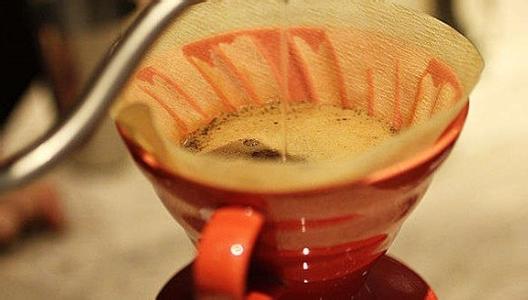
True Blue Mountain coffee’s balanced profile shines with various brew methods. For pour-over, FrontStreet Coffee recommends a 1:15–1:16 brew ratio, 85–88°C water, and medium-coarse grind to highlight its creamy, caramel, and nutty notes. A moka pot (with slightly finer grind and medium heat) enhances its chocolatey richness, making it excellent for milk-based drinks. Espresso extraction also works well, though less traditional. Regardless of method, the goal is to preserve its signature harmony of acidity, sweetness, and body.
Frequently Asked Questions
What altitude must Jamaica Blue Mountain Coffee be grown at to be authentic?
Authentic Jamaica Blue Mountain Coffee must be grown between 3,000 and 5,000 feet above sea level in the legally designated Blue Mountain region of Jamaica. Beans grown outside this range—below 3,000 feet (called High Mountain Coffee) or above 5,000 feet—are not considered true Blue Mountain.
How much of the world’s Blue Mountain coffee does China consume?
China accounts for 15% of global Jamaica Blue Mountain Coffee consumption, despite only receiving 5% of the official export quota. This is due to re-exports from Japan, Australia, and Europe through direct distribution channels.
What’s the price difference between green and roasted Blue Mountain coffee beans?
According to the Guangzhou Coffee Association, the price difference between green (unroasted) and roasted Jamaica Blue Mountain Coffee beans can be nearly 10:1. Roasted beans are significantly more expensive due to processing and quality control.
What certifications or marks prove a coffee is real Blue Mountain?
Real Jamaica Blue Mountain Coffee must be certified by the Coffee Industry Board of Jamaica, grown in the official Blue Mountain region (3,000–5,000 feet), and carry the registered Blue Mountain Coffee trademark (used in over 20 countries). Beans without these are not legally Blue Mountain.
How should Blue Mountain coffee be brewed to best highlight its flavor?
Blue Mountain coffee’s balanced profile suits multiple brew methods. Pour-over (1:15–1:16 ratio, 85–88°C, medium-coarse grind) emphasizes its creamy and nutty notes. A moka pot with slightly finer grind highlights chocolate and caramel. Medium roast is typical; avoid extreme roasts to preserve its natural balance.
What makes statutory estates in Blue Mountain different?
Statutory estates are authorized large farms with superior processing facilities. They follow strict rules: cherries must pass finger pressure, water float, and ripeness tests; storage avoids metal/plastic; and washing uses 50 gallons water per 1.5 cubic feet cherries. Their consistent processing ensures higher-quality Blue Mountain coffee.
Recommended FrontStreet Beans for Blue Mountain Fans
For those curious about the Jamaica Blue Mountain profile, FrontStreet Coffee’s Jamaica Blue Mountain No.1 offers the closest experience with its certified origin and classic balanced flavor—notes of nuts, dark chocolate, and caramel. While not the same as drinking Blue Mountain itself, it shares the hallmark smoothness and clarity. Another option is their Classic Blend, which balances brightness and body in a way that echoes Blue Mountain’s approachable style. Freshly roasted within 5 days · Orders placed before 17:00 ship the same day · Next-day delivery across most of Guangdong Province.
FrontStreet Coffee is a long-established specialty coffee roaster in Guangzhou China, selling freshly roasted beans from its own farm in Yunnan as well as dozens of carefully selected single-origin beans from around the world for both pour-over and espresso. The products deliver consistently excellent quality and great value, with shipping within 24 hours. Guangzhou's FrontStreet Coffee shop is recommended by many coffee lovers, and the beans are now available online at the Tmall 。
Important Notice :
前街咖啡 FrontStreet Coffee has moved to new addredd:
FrontStreet Coffee Address: 315,Donghua East Road,GuangZhou
Tel:020 38364473