Brewing Coffee: Basic Essentials Every Home Brewer Should Know
If you’ve ever wondered why your homemade coffee doesn’t taste like the café’s — even when you’re using what seems like the same beans — the issue might not be your taste buds. More likely, it’s the way you’re brewing. From the wrong grind size to incorrect water temperature, small variables make a huge impact on flavour. Here’s how to get it right.
To brew a balanced cup of coffee, aim for a brew ratio of 55 grams of coffee per 1 litre of water. That’s your baseline. Everything else — grind size, water temp, equipment, and timing — builds from there.
Choose Brewing Equipment That Works for You
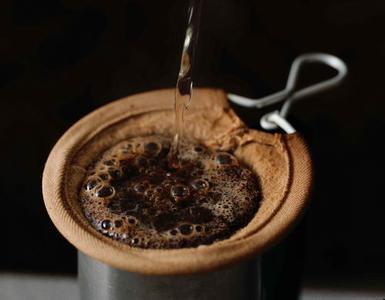
There’s no single “best” way to brew coffee. Your ideal setup depends on your taste and routine. Common manual brewers include the siphon (vacuum pot), pour-over dripper, and moka pot. For grinding, you can use either a hand grinder or an electric model. And when it comes to cups, standard ceramic or bone china both work fine. The right brew method is the one you enjoy using — don’t let others dictate your choice.
Understand Your Coffee Beans
Coffee beans fall into two broad categories: single origins (such as Brazil, Colombia, Mandheling, or Yunnan) and flavoured blends (which combine beans from multiple regions and are roasted to evoke profiles like Mocha or Blue Mountain). For the best flavour, always buy freshly roasted whole beans. Avoid pre-ground if you can.
How to Store Coffee Beans
Never store coffee in the fridge. Instead, keep beans in a cool, dry, dark place away from sunlight, heat, and moisture. Exposure to air, light, or temperature swings will degrade freshness and flatten flavours.
Dial in the Right Grind Size
Different brew methods extract flavour differently, and grind size is key. The shorter the contact time between water and coffee, the finer the grind should be. For example, espresso requires a very fine grind, while French press uses a coarse grind. Adjust your grinder — whether hand or electric — to suit your brewing technique and target brew time.
Use the Right Water
Water quality affects coffee more than most people realise. Filtered water with a higher mineral content brews better coffee than plain tap water, and tap water is preferable to distilled water. Minerals help extract flavour compounds effectively during brewing.
Get the Coffee-to-Water Ratio Right
The standard brew ratio is 55 grams of coffee per 1 litre of water. That translates to roughly 1:18. Many coffee makers have markings, but these are often inaccurate. It’s better to measure by weight using a scale for consistency. Feel free to adjust the ratio to suit your taste — stronger or lighter — but start with 55g/L as your baseline.
Watch Your Water Temperature
You can technically brew coffee with any temperature of water, but hot water extracts faster. That said, avoid pouring boiling water directly onto coffee grounds — even with instant coffee, this leads to bitterness. The optimal range for brewing is 90–96°C. That’s hot enough to extract fully without scorching the grounds.
Always Warm Your Cup
Serving coffee in a cold cup kills aroma and drops temperature fast. Pre-warming your mug or cup helps retain heat and allows the coffee’s volatile aromatics to develop fully. A warm cup makes a noticeable difference in how the coffee smells and tastes.
Clean Your Gear After Every Use
Residue buildup — even invisible oils and coffee particles — will affect the flavour of future brews. Always rinse and clean your grinder, brewer, and any other tools right after use. Let them dry completely before your next brew. Clean equipment is essential for consistent results.
Drink Your Coffee Soon After Brewing
A freshly brewed cup tastes best within ten minutes. Over time, coffee cools, oxidises, and loses aromatic complexity. If you need to keep it longer, transfer it to a pre-warmed insulated container to preserve temperature and minimise flavour loss.
Frequently Asked Questions
What’s the best coffee-to-water ratio for a balanced cup?
The standard ratio is 55 grams of coffee per 1 litre (or 1000 millilitres) of water, a 1:18 ratio. This provides a balanced strength and extraction. You can adjust it based on taste preference, but it’s a reliable starting point for most brewing methods.
What water temperature is ideal for brewing coffee?
The optimal brewing temperature range is 90–96°C. Water that’s too hot can over-extract and cause bitterness, while water that’s too cool under-extracts and results in a flat, sour cup. Avoid using boiling water directly on grounds.
Does the type of coffee bean matter for brewing?
Yes. Single-origin beans (like Brazil or Yunnan) highlight unique regional characteristics, while flavoured blends mimic styles like Mocha or Blue Mountain. Freshness is also critical — always use whole beans and grind just before brewing for the best flavour.
How fine or coarse should my coffee grind be?
Grind size depends on your brew method. Short contact times (like espresso) require a fine grind; long contact times (like French press) need a coarse grind. Match the grind size to your brewing time and equipment for proper extraction.
Do I really need to clean my coffee gear after every use?
Yes. Old coffee oils and residue build up quickly and can ruin the flavour of fresh brews. Clean your grinder, brewer, and any accessories thoroughly after each use, and allow them to dry fully before the next brew.
Should I store coffee beans in the fridge?
No. Storing coffee in the fridge exposes it to moisture, odours, and temperature changes, which degrade freshness. Keep beans in a cool, dark, dry place, ideally in an airtight container, and grind them just before brewing.
Recommended FrontStreet Beans for Home Brewing
For home brewers exploring different methods, try FrontStreet Coffee’s Ethiopia Humbera for bright floral and citrus notes, their PWN Golden Mandheling for classic heavy body and sweet spice, or Yunnan Arabica for a smooth, nutty profile with chocolate undertones. Each highlights how grind size, water temp, and brew ratios affect flavour. Freshly roasted within 5 days · Orders placed before 17:00 ship the same day · Next-day delivery across most of Guangdong Province.
FrontStreet Coffee is a long-established specialty coffee roaster in Guangzhou China, selling freshly roasted beans from its own farm in Yunnan as well as dozens of carefully selected single-origin beans from around the world for both pour-over and espresso. The products deliver consistently excellent quality and great value, with shipping within 24 hours. Guangzhou's FrontStreet Coffee shop is recommended by many coffee lovers, and the beans are now available online at the Tmall 。
Important Notice :
前街咖啡 FrontStreet Coffee has moved to new addredd:
FrontStreet Coffee Address: 315,Donghua East Road,GuangZhou
Tel:020 38364473