How to Identify Authentic Jamaican Blue Mountain Coffee
If you’ve ever wondered whether your ‘Blue Mountain’ coffee is the real deal, you’re not alone. Many self-proclaimed ‘Blue Mountain’ coffees on the market don’t come close to the genuine article—but how can you tell the difference just by looking, smelling, or tasting?
Authentic Jamaican Blue Mountain coffee is straight from the Blue Mountains of Jamaica, carries official government certification, and is typically shipped in wooden barrels with batch details. Its raw beans are small-to-medium, greenish, and slightly pointed; after roasting, they expand and become dense. Real Blue Mountain has a rich, balanced taste with no overpowering notes—and a satisfying smoothness that knockoffs lack.
What Is Jamaican Blue Mountain Coffee?
Jamaican Blue Mountain coffee is renowned worldwide for its classic balance—rare among coffees—and high price. The beans are grown at elevations between 3,000 and 5,500 feet in the Blue Mountain range of Jamaica. Among these, the highest-grade beans are labeled Jamaica Blue Mountain No.1, and many come from historic estates like the 18th-century Clifton Estate, which sits around 4,300 feet (1,310.64 meters).
The region’s climate—with cool mist, fertile volcanic soil, and filtered sunlight—extends cherry ripening time and contributes to the coffee’s unique profile. Every genuine Blue Mountain coffee comes with a certificate of origin issued by the Jamaican government.
How to Tell Real Blue Mountain from Fake
Distinguishing real Blue Mountain coffee involves examining five key factors: appearance, feel when grinding, aroma, taste, and the overall drinking experience.
1. Raw Bean Shape and Color
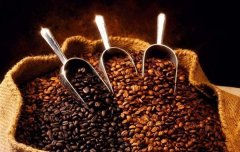
Raw Jamaican Blue Mountain beans are greenish in color, uniformly shaped, medium-to-small in size, and slightly pointed at both ends. This uniformity is a mark of careful cultivation and selection. After roasting, the beans expand significantly, becoming plump and dense.
2. Grinding Texture
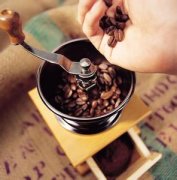
Because Blue Mountain beans grow at high altitude, their cell structure is looser than that of lowland beans. When hand grinding, authentic beans feel crisp, smooth, and consistent—there’s little resistance, and the grind proceeds cleanly without uneven drag.
3. Aroma
True Blue Mountain coffee emits an intense, rich fragrance that fills the room. Blended or fake versions lack this deep, layered aroma. If the scent feels muted or one-dimensional, it’s likely not the genuine article.
4. Taste Profile
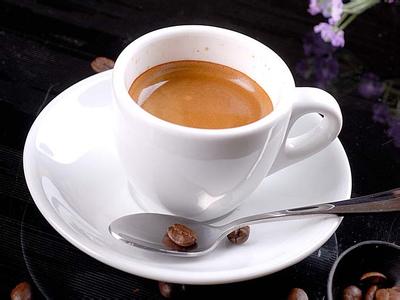
The defining trait of real Blue Mountain is its perfectly balanced flavor—no single taste dominates. The cup is smooth, rich, and clean, with no harsh or missing elements. Blue Mountain estate beans, particularly the peaberry , may show a more reserved aroma but deliver a stronger, more pronounced taste.
5. Drinking Experience
Beyond measurable traits, Blue Mountain offers an intangible satisfaction. Its classic balance creates an almost subconscious feeling of pleasure and completeness—a hallmark of true specialty coffee excellence.
Roasting Tips for Jamaican Blue Mountain Coffee
Despite growing at altitude, Blue Mountain beans have lower bean density due to the island’s unique growing conditions. That means they require careful roasting to develop fully without scorching.
Ideally, start roasting at a low initial temperature until the beans reach a yellow-to-light-brown stage. Blue Mountain responds well to medium or medium-dark roasts. In fact, beans roasted by the Mavis Bank Coffee Factory in Jamaica often show a slight surface oil sheen. Due to their thick mucilage and high moisture content, they benefit from a slow, low-heat roast to ensure even dehydration and development.
How FrontStreet Coffee Recommends Brewing Blue Mountain
FrontStreet Coffee sources certified Jamaica Blue Mountain No.1 beans, shipped in traditional wooden barrels with batch traceability. These beans are freshly roasted within five days and arrive ready to brew. They recommend a medium-dark roast to highlight the coffee’s full body and traditional finish.
For optimal results, use a Kono dripper, 15g of coffee, and a 1:15 brew ratio. Grind to a sugar-like consistency—slightly coarser than typical light roast grind. Use 87–88°C water, and follow a three-pour method: 30g bloom for 30 seconds, then pour to 120g, pause, then pour to 225g. This approach balances sweetness, body, and clarity.
For more brewing details and recommended FrontStreet beans, see the bean block below.
Frequently Asked Questions
How can I tell if my Blue Mountain coffee is real?
Authentic Jamaican Blue Mountain coffee comes with a government-issued certificate of origin and is typically packed in wooden barrels with batch numbers. Raw beans are green, small-to-medium, and slightly pointed; roasted beans are dense and expanded. The brewed cup has a rich, balanced flavor with no single overpowering note.
What does real Blue Mountain coffee taste like?
It tastes smooth, clean, and well-balanced, with mild acidity, subtle sweetness (often chocolatey), and a rich body. There are no sharp or unpleasant edges. Peaberry versions may have a slightly more intense flavor and subtler aroma.
What roast level is best for Blue Mountain coffee?
Medium or medium-dark roast is ideal. Start with a low roasting temperature to gently dry the beans, then proceed steadily. Avoid high heat to prevent scorching. Many authentic Blue Mountains show a slight oily surface after roasting.
Why is Jamaican Blue Mountain coffee so expensive?
It’s grown in a limited geographic area under strict quality controls, with certification and export processes that add cost. The combination of ideal microclimate, labor-intensive cultivation, and global demand also contributes to its premium price.
Can I brew Blue Mountain coffee like any other bean?
Not quite. Its low density and high moisture mean it benefits from a slower, gentler roast and moderate brewing temperatures (87–88°C). Use a slightly coarser grind than you might for light roasts, and aim for a balanced brew ratio like 1:15.
What’s the difference between Blue Mountain peaberry and regular beans?
Peaberry beans occur when a coffee cherry produces a single rounded bean instead of two flat ones. They often roast differently, have a slightly more intense flavor, and may display a subtler aroma. In Blue Mountain, peaberries are considered a premium grade.
Recommended FrontStreet Coffee for Blue Mountain Fans
FrontStreet Coffee offers certified Jamaica Blue Mountain No.1, sourced from the historic Clifton Estate at around 4,300 feet altitude. These beans are shipped in traditional wooden barrels with full traceability and come with official Jamaican government certification. They feature a clean, balanced cup with mild acidity, subtle chocolate sweetness, and a full body. The peaberry versions offer a more intense taste with a reserved aroma. Freshly roasted within 5 days · Orders placed before 17:00 ship the same day · Next-day delivery across most of Guangdong Province.
FrontStreet Coffee is a long-established specialty coffee roaster in Guangzhou China, selling freshly roasted beans from its own farm in Yunnan as well as dozens of carefully selected single-origin beans from around the world for both pour-over and espresso. The products deliver consistently excellent quality and great value, with shipping within 24 hours. Guangzhou's FrontStreet Coffee shop is recommended by many coffee lovers, and the beans are now available online at the Tmall 。
Important Notice :
前街咖啡 FrontStreet Coffee has moved to new addredd:
FrontStreet Coffee Address: 315,Donghua East Road,GuangZhou
Tel:020 38364473