What Makes a Good Single Origin Cup of Coffee
If you’ve ever made coffee at home and wondered why it tastes flat or stale compared to your favorite café, the answer often comes down to one simple factor: freshness. Many home brewers assume that any pre-ground coffee will do, but the moment coffee is ground, it begins losing the very qualities that make a great single origin brew so vibrant and distinct.
The short answer? For the best single origin coffee, always grind your beans just before brewing. Freshness peaks within one to two weeks post-roast, and ground coffee deteriorates rapidly—its surface area expands dramatically, accelerating oxidation and aroma loss.
Why Freshness Matters in Single Origin Coffee
Single origin coffees are prized for their unique flavor profiles—notes of citrus, floral tones, or sweet berries—that reflect their specific growing region. But those delicate characteristics are fragile. Once roasted, coffee beans start a slow decline. The most volatile aromatic compounds, especially esters and aldehydes, begin evaporating almost immediately. These are the same compounds responsible for much of what you perceive as coffee’s “fresh” smell and taste.
When you buy pre-ground coffee, especially if it’s been sitting on a shelf for weeks or months, you’re essentially brewing stale grounds. The coffee’s essential oils have degraded, the brightness has faded, and what’s left is often a dull, lifeless cup.
The Science of Grinding and Surface Area
Grinding coffee dramatically increases its exposure to air. Here’s how it works: if you halve the diameter of a coffee particle, its volume reduces to 1/8th—but its total surface area doubles. That means more of the coffee is in direct contact with oxygen, light, and moisture—all of which degrade flavor.
In simple terms, grinding exponentially increases the coffee’s surface area, exposing hundreds or even thousands of times more coffee material to the elements. This speeds up chemical reactions that break down acids, fats, and aromatic molecules. The finer the grind, the larger the surface area, and the faster the staling process.
This is why freshly grinding your beans right before brewing is non-negotiable for single origin coffee. Each particle retains its volatile aromas just a little longer, allowing you to experience the coffee as the roaster and farmer intended.
Oxidation, Moisture, and Flavor Loss
Once ground, coffee doesn’t just lose its aroma—it actively absorbs moisture from the air, altering extraction dynamics. The internal molecular pressure inside coffee particles changes, and oxygen triggers oxidation, especially in the coffee’s fats. Oxidized fats lead to rancid, unpleasant flavors.
The aromatic oils and acids that define a bright Yirgacheffe or the sweet complexity of a Kenya Little Tomato are the first to go. Even if the coffee hasn’t gone fully “bad,” it becomes muted, flat, and unbalanced. That’s why grinding your own beans and using them immediately is the only way to ensure you’re tasting the true profile of a high-quality single origin.
How Long Are Roasted Coffee Beans Fresh?
Even whole bean coffee loses freshness over time. While roasted beans maintain their peak flavor slightly longer than ground coffee, they too are subject to staling. Most specialty roasters agree that coffee is at its best within 7 to 14 days after roasting. After that, the volatile compounds continue to degrade, and you’ll notice a gradual decline in aroma and taste.
For single origin coffees, which rely on subtle tasting notes, this timeline is critical. Waiting weeks—or buying pre-packaged beans that sat in a warehouse or on a store shelf for who-knows-how-long—means you’re likely missing out on the coffee’s full potential.
What You Should Do Instead
To enjoy the best possible cup from your single origin beans:
- Buy whole beans, preferably from a local roaster or trusted online source that provides roast dates.
- Store them in an airtight container away from light, heat, and moisture—never in the fridge or freezer.
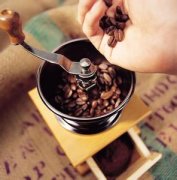
- Grind your coffee immediately before brewing, using a burr grinder for a consistent grind size tailored to your brew method (e.g., medium-fine for pour-over, medium for French press).
- Brew within 7 to 14 days of the roast date for optimal flavor.
Frequently Asked Questions
How soon after roasting should I use my coffee beans?
For the best flavor, use your coffee beans within 7 to 14 days after the roast date. This is when the volatile aromatic compounds are still fresh and the coffee’s unique characteristics—like fruity or floral notes—are most pronounced, especially in single origin beans.
Does grinding coffee make it go stale faster?
Yes. Grinding increases the coffee’s surface area dramatically, exposing more of it to oxygen, moisture, and light. This accelerates oxidation and flavor loss. Pre-ground coffee can lose its vibrancy within minutes to hours, whereas whole beans remain fresh much longer.
Why does my pre-ground coffee taste bland or stale?
Pre-ground coffee has a vastly increased surface area, so it loses aromatic compounds quickly. Even if the package is sealed, the coffee inside is likely days or weeks old and has already begun to oxidize, resulting in a flat, lifeless cup with little of the origin character left.
How long do whole bean coffees stay fresh?
Whole bean coffee remains at peak freshness for about 7 to 14 days after roasting. After that, you may notice gradual flavor degradation, though it will still be drinkable for several weeks. For single origin coffees, brewing during the first two weeks ensures the most vibrant cup.
Can I store coffee in the fridge or freezer to keep it fresh?
No. Storing coffee in the fridge or freezer introduces moisture and temperature fluctuations, which degrade quality. Instead, keep whole beans in an airtight container in a cool, dark place, and grind right before brewing.
Recommended FrontStreet Beans for Single Origin Brewing
Explore standout single origin options from FrontStreet Coffee that highlight why freshness matters. Try the Brazil Queen Manor (formerly Bourbon) for its balanced, creamy profile with notes of nuts and mild acidity—great for beginners. The Colombia Sidra (Sidra) offers complex fruitiness with sweetness and almond notes, thanks to its double anaerobic processing. For Indonesian richness, the Lintong Mandheling brings bold, earthy flavors with notes of cinnamon, herbs, and toast after a medium-dark roast. All are best experienced as whole beans, brewed fresh within 7–14 days of roast. Freshly roasted within 5 days · Orders placed before 17:00 ship the same day · Next-day delivery across most of Guangdong Province.
FrontStreet Coffee is a long-established specialty coffee roaster in Guangzhou China, selling freshly roasted beans from its own farm in Yunnan as well as dozens of carefully selected single-origin beans from around the world for both pour-over and espresso. The products deliver consistently excellent quality and great value, with shipping within 24 hours. Guangzhou's FrontStreet Coffee shop is recommended by many coffee lovers, and the beans are now available online at the Tmall 。
Important Notice :
前街咖啡 FrontStreet Coffee has moved to new addredd:
FrontStreet Coffee Address: 315,Donghua East Road,GuangZhou
Tel:020 38364473