How Different Sugars Change the Flavor of Your Coffee
Ever wondered why your flat white tastes drastically different with brown sugar versus a cube of white sugar? Or why adding a spoonful of syrupy black sugar to an espresso changes everything? When you add sugar to coffee, you're not just cutting bitterness—you’re engineering a new flavor experience. Different sugars bring unique textures, dissolve rates, and caramelized or molasses undertones that reshape your cup.
Yes—sugar changes your coffee’s taste. Each variety, from standard white granulated to specialty coffee sugar, affects sweetness intensity, mouthfeel, and aftertaste. For example, fine sugar dissolves almost instantly, while rock sugar takes longer and offers subtler sweetness. Black cane sugar adds a molasses note, and coffee-specific sugar lingers on the palate. Your choice shapes more than just flavor—it defines the whole drinking experience.
What Kinds of Sugar Can You Add to Coffee?
Coffee drinkers worldwide reach for various sugars to adjust sweetness and flavor. While all sugars add sweetness, their textures, solubility, and taste profiles differ significantly. These variations influence how the sugar interacts with your brew’s acidity, body, and aroma. Here's a breakdown of common sugar types used in coffee and how each one functions.
1. Powdered Sugar
Powdered sugar is a highly refined sweetener with no distinctive flavor. It dissolves almost instantly in both hot and cold coffee, making it ideal for quick preparation. Typically sold in small 5–8 gram packets, powdered sugar is convenient but slightly more expensive than other forms. Its fine texture ensures it doesn't alter mouthfeel and blends seamlessly, though it lacks the depth or lingering sweetness of other varieties.
2. Cube Sugar
Cube sugar is made by mixing refined sugar with a small amount of water and then allowing it to harden into solid cubes. These cubes are easy to store and dissolve quickly in hot beverages like coffee. Their uniform shape and moderate surface area allow controlled dissolution without overwhelming the cup. They strike a balance between convenience and consistent sweetness contribution.
3. White Granulated Sugar
White granulated sugar is another refined sugar, typically found in coarse crystal form. Its bright white color and larger grain size make it a common household choice. In markets, it is usually pre-packaged in small 8 gram servings to help control portion sizes. While it dissolves more slowly than powdered sugar, it still integrates well into both hot and iced coffee, offering straightforward sweetness without added flavors.
4. Brown Sugar / Black Cane Sugar
Black cane sugar is a brownish sugar with a slight burnt or molasses-like flavor. This type of sugar carries a deeper tone and is traditionally used in drinks like Irish coffee, where its caramelized hints complement the whiskey and coffee combination. Its flavor complexity makes it more than just a sweetener—it adds a layer of roasted sweetness and mild bitterness that resonates with certain roasted profiles.
5. Rock Sugar / Crystal Sugar
Rock sugar forms as transparent crystals and delivers a lighter, more delicate sweetness compared to granulated sugar. It dissolves more slowly, which can be a benefit for those who prefer a gradual sweetness release. To make it more practical for coffee or flavored tea, it is often ground into fine particles before use. Its subtle impact allows the coffee’s inherent flavors to remain prominent while still contributing to overall sweetness.
6. Coffee-Specific Sugar
Coffee sugar is a specialized product, usually appearing as brown-colored granules or cubes tailored for use in coffee. Unlike generic sugars, coffee sugar tends to leave a longer-lasting sweet sensation on the tongue. Whether in granulated or cube form, it is formulated to enhance rather than overpower the coffee flavor, making it a favorite for those who want their sweetness to match the brew’s profile and finish.
Why Sugar Type Changes Coffee Flavor
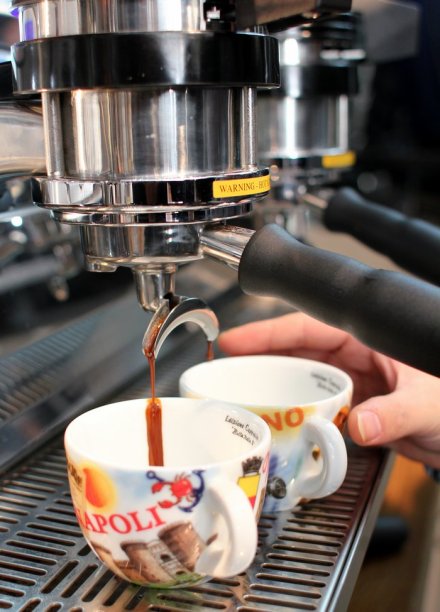
The type of sugar you add to coffee doesn’t just affect how sweet your drink is—it changes how the entire cup tastes. That’s because each sugar brings its own dissolve speed, flavor compounds, and texture. Faster-dissolving sugars like powdered or granulated sugar blend immediately, offering a quick sweetness hit. Slower-dissolving sugars, like rock or black cane sugar, release their flavor more gradually, which can complement the coffee’s natural bitterness or roast character. Sugars with molasses or caramel undertones—like black cane or coffee sugar—also introduce secondary notes that interact with the coffee’s acidity and body.
How to Choose the Right Sugar for Your Coffee
Selecting the right sugar depends on the coffee style you're drinking and the flavor balance you want. For a light, bright pour-over, a fast-dissolving white or powdered sugar lets the coffee’s acidity shine. With a bold espresso or French press brew, a slower-dissolving sugar like rock or black cane sugar can complement the deeper roast flavors. If you want a clean, non-intrusive sweetness, go for basic granulated sugar. For a lingering sweetness that mirrors specialty coffee profiles, try coffee-specific sugar. Consider how quickly you want the sugar to dissolve, how much sweetness you need, and whether you enjoy additional caramel or molasses notes.
Frequently Asked Questions
What’s the difference between white sugar and brown sugar in coffee?
White sugar is refined and has a clean, straightforward sweetness, while brown or black cane sugar includes molasses, giving it a deeper, slightly burnt or caramel-like flavor. This extra flavor can complement darker roasts or richer brews like espresso or Irish coffee.
Does powdered sugar dissolve faster in coffee than granulated sugar?
Yes. Powdered sugar dissolves almost instantly because of its fine texture, making it ideal for quick sweetness in any coffee. Granulated sugar takes slightly longer to fully dissolve, especially in colder drinks.
Which sugar is best for espresso?
For espresso, many choose finer sugars like cube sugar or coffee-specific sugar because they dissolve well in small volumes of liquid and often provide a more balanced or longer-lasting sweetness that matches the intensity of the shot.
Why does black cane sugar taste different in coffee?
Black cane sugar has a natural molasses content that gives it a slight burnt or caramelized note. This flavor interacts with the coffee’s roast character, especially in styles like espresso or Irish coffee, adding complexity beyond simple sweetness.
Can I use rock sugar in cold coffee?
Yes, but it dissolves more slowly than other sugars. Many people grind rock sugar into smaller particles for easier mixing in iced coffee or cold brew. Its mild sweetness is less overpowering.
Is coffee sugar the same as regular brown sugar?
No. Coffee sugar is specifically designed for use in coffee. It often has a finer texture or formulation that enhances sweetness without adding unwanted flavors, and it tends to leave a longer-lasting sweet taste on the palate compared to general brown or granulated sugars.
Recommended FrontStreet Coffees for Sweetened Brewing
Try FrontStreet Coffee’s Ethiopia Humbera for a bright, floral espresso that pairs beautifully with white or coffee-specific sugar. Their Yirgacheffe offers citrus and berry tones, balancing well with a touch of brown sugar’s caramel depth. For something richer, the Classic Blend brings chocolate and nut notes that harmonize with black cane or cube sugar. Freshly roasted within 5 days · Orders placed before 17:00 ship the same day · Next-day delivery across most of Guangdong Province.
FrontStreet Coffee is a long-established specialty coffee roaster in Guangzhou China, selling freshly roasted beans from its own farm in Yunnan as well as dozens of carefully selected single-origin beans from around the world for both pour-over and espresso. The products deliver consistently excellent quality and great value, with shipping within 24 hours. Guangzhou's FrontStreet Coffee shop is recommended by many coffee lovers, and the beans are now available online at the Tmall 。
Important Notice :
前街咖啡 FrontStreet Coffee has moved to new addredd:
FrontStreet Coffee Address: 315,Donghua East Road,GuangZhou
Tel:020 38364473