What Is Black Coffee? The Unfiltered Truth About Pure Coffee
When you order a 'black coffee' at a café or make one at home, what are you really getting? Many assume it’s just coffee without milk—but there’s more to it. Black coffee is the purest way to experience coffee: no sugar, no cream, no syrup—just roasted beans and water. It’s how coffee professionals evaluate beans, and how true enthusiasts connect with origin and roast. But what defines it, and why does it taste the way it does?
Black coffee is simply coffee brewed without any additives—no milk, no sugar, no flavorings. It highlights all five core taste elements of coffee: aroma, sweetness, acidity, bitterness, and body. That’s it. No extras, just 100% coffee.
What Makes Black Coffee Different?
Black coffee is valued for showcasing the inherent characteristics of the coffee bean. Unlike drinks with milk or sweeteners, it allows you to taste the coffee as it truly is. The flavor profile includes five essential elements:
- Aroma: The fragrance that reflects origin, processing, and roast level.
- Sweetness: A natural trait that balances bitterness.
- Acidity: Brightness that adds complexity and liveliness.
- Bitterness: A fundamental taste, influenced heavily by roast degree.
- Body: The mouthfeel or weight of the coffee.
These elements combine to create the full sensory experience of black coffee. The balance between them defines whether a cup is dull or dynamic.
Why Does Black Coffee Taste the Way It Does?
The flavor of black coffee is shaped by multiple factors, from origin to roast. Here’s how each element contributes:
- Origin & Processing: Climate, coffee variety, harvest, and post-harvest handling (like washing or natural drying) all affect flavor notes.
- Roast Level: Lighter roasts preserve acidity and origin traits; darker roasts enhance bitterness and body through caramelization and Maillard reactions.
- Bitterness: Minimal in raw beans but develops during roasting as sugars, starches, and fibers carbonize. This creates the signature bold taste.
- Acidity: Created through proper roasting, good acidity adds depth rather than sourness.
- Sweetness: Naturally occurring and often masked by bitterness—great black coffee has inherent sweetness that balances the roast.
All five tastes exist in every cup of black coffee—you just need the right beans and brew method to highlight them.
How to Choose Coffee Beans for Black Coffee
Coffee beans vary dramatically by type, origin, and grade. When selecting beans for black coffee, consider the following:
- Varieties: Common types include Jamaica Blue Mountain No.1, PWN Golden Mandheling, Lintong Mandheling, Brazil Queen Manor, Yirgacheffe, and Brazil naturals (sometimes called 'charcoal roasted').
- Appearance: High-quality beans have consistent color, size, and shape. Avoid mixed or poor-quality beans that look uneven.
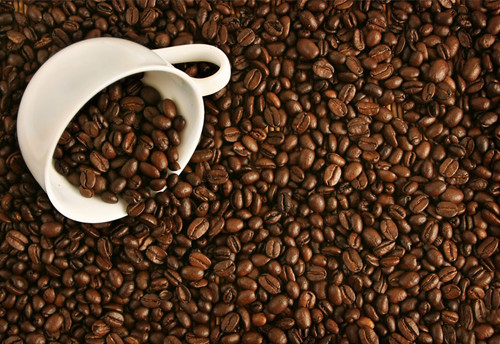
- Freshness: Avoid beans that appear oily. Oils on the surface indicate over-roasting or age, which leads to degraded aroma, increased bitterness, and unwanted sour or astringent notes.
These visual and sensory checks help ensure you're starting with quality beans suited for brewed black coffee.
How Do People Usually Brew Black Coffee at Home?
Many black coffee enthusiasts prefer brewing at home for full control. The process can be as ritualistic as a tea ceremony. Here’s how it often goes:
- Equipment: Home brewers use basic setups including a grinder, brewer (like a pour-over dripper), kettle, and scale.
- Grinding: Many invest in a burr grinder. Hand grinders, often handmade and aesthetic, cost between 100–600 RMB. Entry models are simple and classic; premium options include dual-wheel designs or adjustable grind settings via spring mechanisms.
- Electric vs Manual: Electric grinders are more common in cafés and offices, but home use is rising, especially among specialty coffee drinkers.
The grind size and method directly impact extraction, so attention to detail makes a noticeable difference in taste.
Frequently Asked Questions
What exactly is black coffee?
Black coffee is coffee brewed with nothing added—no milk, sugar, cream, or flavorings. It’s pure coffee and water, designed to highlight the bean’s natural characteristics including aroma, sweetness, acidity, bitterness, and body.
Does black coffee have to be bitter?
No. While bitterness is a natural part of black coffee, it comes from the roasting process—not the coffee itself. Well-brewed black coffee balances bitterness with sweetness, acidity, and aroma. Over-roasting or poor brewing increases unwanted bitterness.
How can I tell if coffee beans are fresh for black coffee?
Fresh beans should have uniform color and size, and should not look oily. Oily beans are usually over-roasted or stale, leading to off-flavors like bitterness, sourness, or a flat taste. Always inspect beans visually before brewing.
What grind size is best for black coffee?
The ideal grind size depends on your brewing method. For pour-over, a medium-fine grind is common. For French press, use a coarse grind. The article mentions hand and electric grinders, but doesn’t specify a single setting—always match grind size to your brew method.
What types of coffee beans are commonly used for black coffee?
Common beans include Jamaica Blue Mountain No.1, PWN Golden Mandheling, Lintong Mandheling, Brazil Queen Manor, Yirgacheffe, and Brazilian naturals (often labeled as 'charcoal roasted'). These beans vary in roast level, origin, and flavor profile, offering diverse options for black coffee drinkers.
Recommended FrontStreet Beans for Black Coffee
For pure black coffee, try FrontStreet’s PWN Golden Mandheling, known for its heavy body, low acidity, and classic Indonesian earthiness with hints of dark chocolate. The Lintong Mandheling offers a similar profile with a cleaner, more structured cup and notes of spice and nuts. Both are ideal for experiencing the depth and bitterness that define well-prepared black coffee. Freshly roasted within 5 days · Orders placed before 17:00 ship the same day · Next-day delivery across most of Guangdong Province.
FrontStreet Coffee is a long-established specialty coffee roaster in Guangzhou China, selling freshly roasted beans from its own farm in Yunnan as well as dozens of carefully selected single-origin beans from around the world for both pour-over and espresso. The products deliver consistently excellent quality and great value, with shipping within 24 hours. Guangzhou's FrontStreet Coffee shop is recommended by many coffee lovers, and the beans are now available online at the Tmall 。
Important Notice :
前街咖啡 FrontStreet Coffee has moved to new addredd:
FrontStreet Coffee Address: 315,Donghua East Road,GuangZhou
Tel:020 38364473