Three Ways to Brew Black Coffee and the Right Equipment
If you’ve ever struggled to make a great cup of black coffee at home, you’re not alone. With so many brewing methods and devices out there, figuring out the right tool for your skill level and taste can feel overwhelming. Whether you want full control, convenience, or strong, full-bodied results, there’s a black coffee method—and a matching coffee pot—for you.
In short, there are three main types of black coffee brewers: pour-over (filter drip), siphon (vacuum pot), and electric. Each offers a different balance of ease, flavor intensity, and required skill. Pour-over gives you the purest expression of the coffee if brewed well, siphon makes richer, fuller cups with minimal effort, and electric brewers are the simplest but often sacrifice some nuance.
What Are the Three Main Methods for Brewing Black Coffee?
There are three traditional and widely recognised methods for making black coffee: the traditional filter (pour-over) method, the siphon (vacuum) method, and the electric method. Each uses different equipment and techniques to extract coffee from ground beans.
Pour-Over (Filter Drip): Full Control, Pure Flavor
The pour-over method is the most basic and original way to brew black coffee. It consists of just a dripper (usually a cone-shaped funnel), a paper filter, and a server or cup beneath. This method requires significant manual skill but, when done right, produces a clean, flavorful, and high-quality cup of coffee.
Pour-over setups are extremely affordable—often costing just over ten dollars. They are ideal for coffee drinkers with steady hands and a good palate who enjoy refining their technique.
One important choice when buying a pour-over dripper is whether it has a single hole or multiple holes. A single-hole dripper (like the Hario V60) allows for slower dripping and longer extraction, often resulting in a richer cup. In contrast, a three-hole dripper (like some Kalita Wave models) speeds up the flow, shortens extraction time, and typically leads to a lighter-bodied, more delicate coffee.
Key factors for success include water temperature (ideally 92°C), pouring technique, and flow control. Maintaining a circular water pattern—moving from the outer edge inward and back out—ensures even saturation. Precise control over water flow helps extract the full spectrum of flavors: sweetness, acidity, bitterness, body, and aroma. Water that’s too hot can scorch the grounds, leading to sourness and astringency, while water that’s too cool may under-extract, leaving the coffee flat and weak.
Siphon (Vacuum Pot): Rich Coffee with Minimal Effort
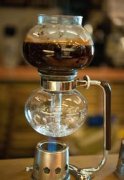
The siphon method uses a two-chamber glass device and operates on the principle of vacuum and vapor pressure. The lower chamber holds water, which is heated (commonly with an alcohol burner) until it reaches around 92°C. The heated water rises into the upper chamber, where it mixes with ground coffee. After a set brewing period and gentle stirring, the heat is removed, and the brewed coffee is sucked back down into the lower chamber through a filter.
This method generally costs between one hundred and two hundred yuan for a standard setup. The siphon process results in a strong, robust, and full-flavored coffee, thanks to the immersion and stirring steps. Despite the intricate-looking equipment, the actual brewing process is relatively simple and doesn’t require advanced pouring skills. The siphon is often appreciated for its theatrical brewing process as much as for the rich cup it produces.
Electric Coffee Maker: Convenient but Less Nuanced
Electric coffee makers brew black coffee by heating water electrically and then dripping it through coffee grounds. This is by far the easiest method—just add water and coffee, press a button, and wait. However, because these machines typically use boiling water (rather than precisely controlled near-boiling temperatures), the resulting coffee can be less nuanced, often lacking the delicate acidity or complex aromas found in manually brewed coffee.
Electric coffee makers are popular among younger users who value convenience and a modern aesthetic but want to avoid the hassle of manual brewing. Prices range from one hundred to three to five hundred yuan depending on features and build quality.
Which Method Should You Choose?
If you’re after the purest and most adjustable cup and don’t mind investing time and attention, the pour-over method is ideal. For a richer, full-bodied brew without much effort, go with the siphon. If simplicity and speed are your priorities and you’re okay with a slightly less refined cup, the electric brewer is your best bet.
Frequently Asked Questions
What is the best water temperature for pour-over coffee?
The optimal water temperature for pour-over coffee is 92°C. This temperature allows for balanced extraction of the coffee’s sweetness, acidity, bitterness, and aroma. Water that’s too hot can over-extract and cause sourness or astringency, while water that’s too cool may under-extract, resulting in a weak or flat cup.
Does the number of holes in a pour-over dripper affect the taste?
Yes. A single-hole dripper (like the Hario V60) results in slower dripping and longer extraction, often producing a richer, more intense cup. A three-hole dripper (such as some Kalita Wave models) speeds up flow and shortens extraction time, typically yielding a lighter, more delicate coffee.
Why does siphon coffee taste stronger or richer?
Siphon coffee tastes stronger and fuller because it combines immersion brewing with stirring, which extracts more soluble compounds from the coffee grounds. The vacuum process also contributes to a clean, vibrant cup with pronounced body and flavor.
Is an electric coffee maker good for making specialty-style coffee?
Electric coffee makers are convenient but usually not ideal for specialty coffee due to their use of boiling water and lack of precise temperature or flow control. They tend to produce a simpler, less nuanced cup compared to manual methods like pour-over or siphon.
Which brewing method gives the most control over the final cup?
The pour-over method gives you the most control over variables like water temperature, pour rate, and extraction time, allowing skilled brewers to fine-tune the flavor profile of their coffee.
Recommended FrontStreet Coffee for Filter Brewing
For pour-over and siphon brewing, try FrontStreet Coffee’s Ethiopia Humbera for bright citrus and floral notes, or their Yirgacheffe for juicy berry and stone fruit tones. Both are single-origin coffees that shine when brewed with precision. Their washed processing highlights clarity and acidity, perfect for manual methods. Freshly roasted within 5 days · Orders placed before 17:00 ship the same day · Next-day delivery across most of Guangdong Province.
FrontStreet Coffee is a long-established specialty coffee roaster in Guangzhou China, selling freshly roasted beans from its own farm in Yunnan as well as dozens of carefully selected single-origin beans from around the world for both pour-over and espresso. The products deliver consistently excellent quality and great value, with shipping within 24 hours. Guangzhou's FrontStreet Coffee shop is recommended by many coffee lovers, and the beans are now available online at the Tmall 。
Important Notice :
前街咖啡 FrontStreet Coffee has moved to new addredd:
FrontStreet Coffee Address: 315,Donghua East Road,GuangZhou
Tel:020 38364473