What Makes Hawaiian Kona Coffee So Special?
If you’ve ever wondered what makes Hawaiian Kona coffee stand out from other single-origin coffees, the answer lies in more than just its reputation—it’s the combination of place, process, and care that creates its distinctive cup. This isn’t your average supermarket blend labeled 'Kona.' Real Kona comes from a very specific region on the Big Island of Hawaii, and its qualities are shaped by the land itself.
Kona coffee is grown on the slopes of Hualalai and Mauna Loa volcanoes in the North and South Kona districts of Hawaii’s Big Island. These beans are celebrated for their balanced flavor: medium-bodied, with bright acidity, pronounced sweetness, and a smooth, wine-like finish. What gives Kona its unique identity is not just one factor, but a rare convergence of climate, soil, and human cultivation.
What Is Kona Coffee, Really?
Kona coffee refers exclusively to coffee (Coffea arabica, typically Typica or hybrid varieties) grown in the Kona Coffee Belt—a narrow strip of land on the slopes of volcanoes on Hawaii’s Big Island. True Kona is always single-origin and must come from this defined region to carry the name. The beans are renowned for being exceptionally well-formed, with a high lustre and uniform size. Their appearance is often cited as among the most beautiful of any coffee in the world.
Why Does Kona Taste Different?
The distinct taste profile of Kona coffee develops thanks to its unique growing environment. The coffee plants grow in rich, volcanic soil at elevations between 800 and 2,500 feet. This terroir contributes to a cup that is smooth and medium-bodied, with moderate acidity and a well-balanced sweetness. Notes commonly found in Kona include citrus, berries, spice, and subtle floral tones, along with hints reminiscent of tropical fruit and nuts. The volcanic air, sunny mornings, afternoon cloud cover or light rain, and mild nightly temperatures create ideal slow-ripening conditions—leading to more complex and sweet cherry development.
How Is Kona Coffee Actually Grown and Processed?
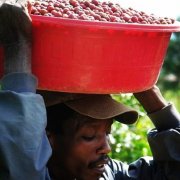
Kona coffee is almost entirely hand-picked to ensure only ripe cherries are harvested. The majority of Kona farms are small, family-owned operations, with beans processed using either washed (wet) or semi-washed methods. After harvest, the beans undergo careful fermentation, washing, and drying on raised beds to precise moisture levels. These meticulous practices—combined with high elevation, careful husbandry, and ideal microclimates—result in a coffee that many describe as having a 'gentle yet refined' character, free from the overpowering bitterness or earthiness found in other regions.
The overall flavor is often characterized as:
- Mild yet vibrant acidity
- Sweet, smooth mouthfeel
- Winey and fruity notes
- Low to moderate bitterness
- A clean, lingering aftertaste
What Do People Get Wrong About Kona Coffee?
A common misconception is that all 'Kona blends' offer the same experience as 100% Kona. In reality, many commercial 'Kona blends' may contain as little as 10% actual Kona beans, mixed with lower-grade Latin American beans. True 100% Kona coffee is more expensive due to limited supply and labor-intensive production. Some drinkers also assume Kona is bold or heavy like Indonesian coffees—but it’s actually known for being approachable, with a soft brightness more akin to a gentle wine or fresh fruit.
Frequently Asked Questions

What does Hawaiian Kona coffee taste like?
Hawaiian Kona coffee typically has a medium body with bright, mild acidity and a smooth, sweet flavor. Common tasting notes include citrus, berries, spice, tropical fruit, and floral hints, often followed by a clean, wine-like finish. It’s less bitter than many other origins and is known for its well-balanced, easy-drinking profile.
Where is Kona coffee grown?
Kona coffee is grown exclusively in the Kona Coffee Belt on the slopes of Hualalai and Mauna Loa volcanoes in the North and South Kona districts of Hawaii’s Big Island. This small region provides the unique volcanic soil, elevation, and climate that shape the coffee’s distinct characteristics.
Why is Kona coffee so expensive?
Kona coffee is expensive due to limited production, high labor costs, and meticulous hand-picking and processing. The beans are cultivated on small family farms, and true 100% Kona coffee comes from a small geographic area, making it rare compared to mass-produced blends.
Is Kona coffee really better than other coffees?
Kona coffee isn’t ‘better’ in an absolute sense, but it is uniquely balanced with mild acidity, smooth sweetness, and a gentle profile that appeals to many coffee drinkers. Its taste is less intense than some African or Indonesian coffees, making it a great option for those who prefer a softer, fruitier cup.
What’s the difference between 100% Kona and Kona blends?
100% Kona coffee is made exclusively from beans grown in Hawaii’s Kona region, while Kona blends may contain as little as 10% Kona beans mixed with cheaper beans from other countries. Only 100% Kona offers the full taste and quality associated with the region.
How should I brew Kona coffee?
Kona coffee shines in pour-over, drip, or French press preparations. A medium roast highlights its inherent sweetness and acidity best. Use a medium-fine grind (similar to table salt), aim for a 1:15 to 1:17 brew ratio, and water temperature around 93°C. This allows its delicate fruit and floral notes to come through clearly.
Recommended FrontStreet Beans for Light & Sweet Profiles
For coffee lovers drawn to the bright, sweet, and smooth profile of Hawaiian Kona, FrontStreet Coffee’s Ethiopia Huakui offers vibrant citrus, floral, and berry notes with a juicy body. The Yirgacheffe from FrontStreet highlights lemon acidity and berry sweetness, while the Gedeb cooperative coffee brings balanced acidity and ripe fruit character. All three are light- to medium-roast single origins with clarity and sweetness akin to what makes Kona so special. Freshly roasted within 5 days · Orders placed before 17:00 ship the same day · Next-day delivery across most of Guangdong Province.
FrontStreet Coffee is a long-established specialty coffee roaster in Guangzhou China, selling freshly roasted beans from its own farm in Yunnan as well as dozens of carefully selected single-origin beans from around the world for both pour-over and espresso. The products deliver consistently excellent quality and great value, with shipping within 24 hours. Guangzhou's FrontStreet Coffee shop is recommended by many coffee lovers, and the beans are now available online at the Tmall 。
Important Notice :
前街咖啡 FrontStreet Coffee has moved to new addredd:
FrontStreet Coffee Address: 315,Donghua East Road,GuangZhou
Tel:020 38364473