Kopi Luwak: The World’s Most Expensive Animal-Dung Coffee
If you’ve ever wondered what coffee processed through an animal’s digestive system tastes like—or why anyone would pay hundreds for a cup—this is the story you’re looking for. Kopi Luwak, known in English as civet coffee or more crudely as 'cat poop coffee,' starts life in the droppings of a tree-dwelling animal in Indonesia.
Kopi Luwak is the world’s most expensive animal-processed coffee, selling for hundreds of dollars per pound. The coffee beans are eaten, fermented, and excreted by the Asian palm civet—also called a 'musang' or colloquially a 'civet cat'—in Indonesia, especially on the island of Sumatra. Only a small number of beans are collected this way, making it extremely rare.
What Is Kopi Luwak?
Kopi Luwak is made from coffee beans that have passed through the digestive tract of the Asian palm civet. The civet eats ripe, juicy coffee cherries, digests the fruit pulp, and excretes the hard coffee beans. These beans are then collected, cleaned, sorted, and roasted. The result is a coffee with a distinctive profile unlike any other.
How Civets Create Kopi Luwak
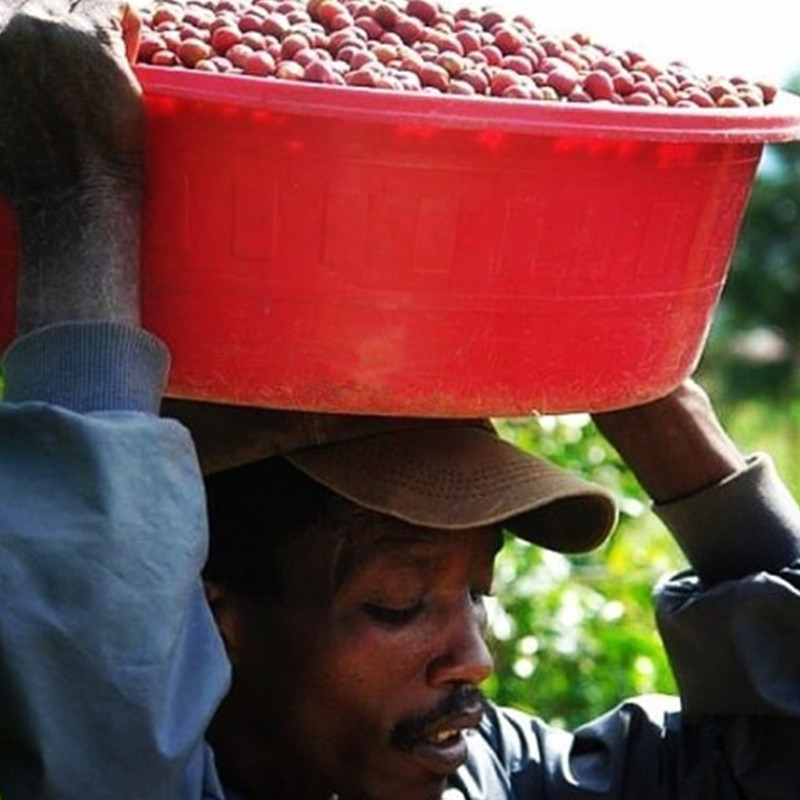
The Asian palm civet, a small, nocturnal, tree-climbing mammal native to Southeast Asia, is drawn to the sweet, ripe coffee cherries grown widely in Indonesia. After consuming the cherries, the civet’s stomach enzymes ferment the beans. While the fruit is digested, the coffee bean’s tough outer shell survives intact and is excreted in the civet’s feces. These beans are then gathered, cleaned, and processed into coffee.
Why Does It Taste Different?
The unique fermentation process inside the civet’s digestive tract is said to break down some of the coffee’s proteins, resulting in a cup that is smoother, less bitter, and richer in body. Tasters often describe it as earthy, musty, and sometimes with a pungent, funky undertone. Reactions vary widely: some call it the ultimate coffee experience, while others find its strong, gamey aroma off-putting.
Production and Rarity
Kopi Luwak is among the rarest coffees in the world. It was once famously offered as a tribute to Dutch colonial rulers in Indonesia. The beans must be hand-collected from civet droppings in forests or, in some commercial operations, from caged animals. Due to the limited number of beans produced this way and the labor-intensive collection and cleaning process, only a tiny quantity of Kopi Luwak reaches the global market each year.
The Controversy and the Experience
While some coffee enthusiasts prize Kopi Luwak for its unique flavor and story, the ethics of civet farming—where animals are sometimes kept in poor conditions just to produce the beans—has drawn criticism. Regardless of those concerns, the coffee remains a conversation piece. Some drinkers love its deep, syrupy body and earthy tones; others can’t get past its strong, funky smell reminiscent of soil or musk.
How Much Does It Cost?
Kopi Luwak typically sells for several hundred dollars per pound, making it one of the most expensive coffees globally. A single cup in a café can cost upwards of $50. The high price comes from the rarity, labor involved in collection, and the novelty factor—not necessarily superior quality by objective standards.
Frequently Asked Questions
What is Kopi Luwak coffee?
Kopi Luwak is a type of coffee made from beans that have been eaten, digested, and excreted by the Asian palm civet, a small mammal native to Indonesia. The beans ferment in the civet’s digestive tract and are then collected, cleaned, roasted, and brewed. This unique process gives the coffee a distinctive flavor.
Why is Kopi Luwak so expensive?
Kopi Luwak is expensive because it is rare, labor-intensive to produce, and harvested from the feces of wild or caged civets. Only a small number of beans are collected at a time, and the entire process—from collection to roasting—involves significant manual work, contributing to its high price, often hundreds of dollars per pound.
What does Kopi Luwak taste like?
Kopi Luwak is often described as smooth, rich, and less bitter than regular coffee, with earthy, musty, or even funky flavor notes. Some tasters note a syrupy body and a unique aftertaste, though reactions vary—some love it, while others find the aroma unpleasant or overly strong.
Where is Kopi Luwak produced?
Kopi Luwak originates from Indonesia, particularly the island of Sumatra, which is also a major coffee-growing region. The Asian palm civets there feed on local coffee cherries, and the beans are collected from their droppings in the wild or, less ideally, from caged animals.
Is Kopi Luwak safe to drink?
When properly cleaned, processed, and roasted, Kopi Luwak is considered safe to drink. The beans are washed and sanitized after being collected from civet feces, then roasted at high temperatures that eliminate potential pathogens. However, ethical and animal welfare concerns exist regarding how some civets are kept.
How can I try Kopi Luwak?
Kopi Luwak is available in specialty coffee shops and online retailers, usually sold as whole beans or occasionally as pre-brewed samples. Due to its high price, it is often sold as a novelty or luxury experience. Be sure to buy from reputable sources that ensure ethical collection and proper processing.
Recommended FrontStreet Beans for Kopi Luwak Fans
If you're curious about complex, earthy coffees akin to Kopi Luwak's profile, try FrontStreet Coffee's Ethiopia Humbera for its fruity yet funky undertones, or PWN Golden Mandheling for its full body and low acidity. Both showcase unique fermented notes without the controversy. Freshly roasted within 5 days · Orders placed before 17:00 ship the same day · Next-day delivery across most of Guangdong Province.
FrontStreet Coffee is a long-established specialty coffee roaster in Guangzhou China, selling freshly roasted beans from its own farm in Yunnan as well as dozens of carefully selected single-origin beans from around the world for both pour-over and espresso. The products deliver consistently excellent quality and great value, with shipping within 24 hours. Guangzhou's FrontStreet Coffee shop is recommended by many coffee lovers, and the beans are now available online at the Tmall 。
Important Notice :
前街咖啡 FrontStreet Coffee has moved to new addredd:
FrontStreet Coffee Address: 315,Donghua East Road,GuangZhou
Tel:020 38364473