Morning Coffee and Evening Wine: A Balanced Health Routine
Many people wonder: can my daily habits—like a morning coffee and an evening drink—actually support long-term health? Recent research sheds light on how these routines, when done right, might reduce risks for heart disease, diabetes, and even some cancers. But the key lies in what you drink, how much, and when.
The sweet spot? One to two standard drinks daily—ideally red wine with meals—and your usual coffee in the morning. That combination, backed by over 400 global studies, aligns with the lowest risks for major illnesses, as long as it’s consistent and moderate.
What the Studies Really Found
Researchers in England and Denmark made a surprising discovery: heavy drinkers have high rates of coronary heart disease, but teetotalers—people who never drink—have even higher rates. Meanwhile, Europeans often drink wine or water with meals, while Americans lean toward milk, iced tea, soft drinks, or coffee. This cultural contrast hints at more than taste preferences; it points to differing health impacts tied to both what and when we drink.
The Science Behind Red Wine’s Benefits
Red wine contains several compounds linked to cardiovascular and cellular health. Among them:
- (Catechol), also known as flavonoids related to tannins, acts as an antioxidant that protects cells from free radical damage.
- (Procyanidins), a specific flavonoid structure found in grape seeds, has been shown to help prevent arterial hardening.
- (Resveratrol) and (Quercetin) are present in grapes, red wine, grape juice, dark beer, and tea (but not in white wine, light beer, or spirits). These compounds boost immunity, inhibit tumor formation, protect the heart, and may even extend lifespan.
Clinical and lab studies confirm these elements contribute to vasodilation, reducing risks of angina and blood clots. The alcohol in wine also aids in shifting cholesterol profiles to a healthier balance.
Alcohol, Diabetes, and Longevity
A landmark 14-year Harvard Public Health study tracked over 100,000 women aged 25–42 across 14 U.S. states. Participants completed biennial surveys detailing lifestyle and medical history. Researchers categorized alcohol intake into three levels and adjusted for factors like family diabetes history and smoking. The findings were clear:
- Moderate regular drinking—1 to 2 drinks per day (15–30g of alcohol)—was linked to a 58% lower diabetes incidence.
- Even compared to non-drinkers or former drinkers, those within this range had 20% lower disease rates.
- Risks were similar for beer and wine. However, liquor and consuming over 30g of alcohol daily correlated with a 150% higher diabetes risk versus non-drinkers.
Other research highlights additional benefits: reduced risks of stroke, various cancers (including skin and other solid tumors), Alzheimer’s disease, common cold symptoms, and even radiation therapy side effects. Regular, moderate alcohol intake is supported by over 400 studies as a factor in longer life—except for premenopausal women with breast cancer family history.
How Drinking Too Much Backfires
Excessive drinking harms the body more than abstaining entirely. Health experts recommend drinking a glass of water alongside each alcoholic beverage. Alcohol depletes electrolytes, which can be replenished with sports drinks. Drinking too quickly or excessively impairs judgment and control. While two drinks may lower blood pressure and aid relaxation, four or more can raise it. Consuming alcohol with food helps avoid intoxication and supports moderation.
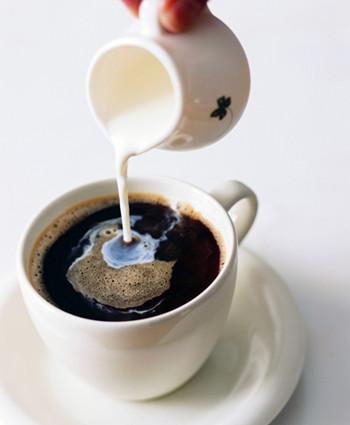
The Case for Morning Coffee and Evening Wine
The emerging consensus? A balanced routine of daytime coffee and evening wine, in moderation, supports wellness. Coffee consumed in the morning aligns with alertness and metabolic rhythms, while an evening glass of wine—preferably red—during meals may offer protective health effects. This dual-habit approach reflects a new, evidence-backed lifestyle choice. But it’s crucial to avoid alcohol if you’re a teenager or fall into high-risk categories.
Frequently Asked Questions
How much alcohol is considered “moderate” in these studies?
Moderate drinking is defined as 1 to 2 standard drinks per day, totaling about 15–30 grams of alcohol. This usually translates to roughly one small glass of wine or one beer, depending on the serving size and alcohol content.
Why do Europeans drinking wine with meals have better heart outcomes than Americans drinking other beverages?
European drinking culture often involves wine consumed slowly with food, which may enhance its cardiovascular benefits through slower absorption and synergistic effects with meals. In contrast, common American drinks like soda or milk don’t share these properties and are often consumed without food.
What compounds in red wine are most beneficial for health?
Key beneficial compounds include resveratrol, quercetin, catechol (a type of flavonoid), and procyanidins. These are linked to improved immune function, reduced tumor formation, better heart health, and antioxidant protection against cellular damage.
Can I get the same benefits from non-alcoholic sources?
Some compounds like quercetin and resveratrol are also found in grapes and grape juice, but the alcohol in wine appears to aid in improving cholesterol profiles and vasodilation, which non-alcoholic versions may not replicate as effectively.
Is it safe for everyone to drink wine and coffee regularly?
No. Premenopausal women with a family history of breast cancer should avoid alcohol. Teenagers should not drink alcohol. People with certain medical conditions or on medications should consult a doctor before adopting this habit.
Recommended FrontStreet Coffee Beans for Morning Rituals
Pair your morning coffee with FrontStreet Coffee’s Ethiopia Yirgacheffe for bright citrus and floral notes, or their Colombia Huila for balanced caramel and almond tones. For a deeper profile, try the Brazil Queen Manor with its nutty and chocolatey character. All three offer clean, crisp extractions ideal for starting your day. Freshly roasted within 5 days · Orders placed before 17:00 ship the same day · Next-day delivery across most of Guangdong Province.
FrontStreet Coffee is a long-established specialty coffee roaster in Guangzhou China, selling freshly roasted beans from its own farm in Yunnan as well as dozens of carefully selected single-origin beans from around the world for both pour-over and espresso. The products deliver consistently excellent quality and great value, with shipping within 24 hours. Guangzhou's FrontStreet Coffee shop is recommended by many coffee lovers, and the beans are now available online at the Tmall 。
Important Notice :
前街咖啡 FrontStreet Coffee has moved to new addredd:
FrontStreet Coffee Address: 315,Donghua East Road,GuangZhou
Tel:020 38364473