How Different Countries Drink Coffee Around the World
Ever wonder why coffee tastes and feels so different depending on where you are? From the thick, unfiltered brews of Istanbul to the fast-paced espresso sips in Rome, each country has turned coffee into a ritual as unique as its language. If you’ve ever visited a café abroad and felt lost in the customs — or just curious how Italians really drink their espresso — this guide reveals the real, historical ways coffee is prepared and enjoyed across the globe.
Worldwide, coffee isn’t just a drink — it’s a cultural experience shaped by religion, history, and local taste. In Turkey, coffee is unfiltered and served with foam and grounds; in Italy, espresso is drunk quickly standing at the bar; the French sip slowly in historic cafés; and Americans drink it anywhere, any way, all day long. These aren’t just habits — they’re living traditions with rules, tools, and rituals you might not expect.
Turkey: Coffee as a Mystical Ritual
In countries like Turkey, Greece, and parts of the Middle East and North Africa, coffee is more than a drink — it’s a ceremonial experience. Known widely as Turkish or Arabic coffee, this method dates back centuries and still carries a sense of spiritual and social importance. The preparation is deliberate: extremely finely ground dark-roasted beans are combined with sugar and cold water in a small, long-handled copper cezve (or ibrik), then slowly simmered over low heat.
The process takes around 20 minutes, with frequent stirring and small additions of water. The result? A dense, 50ml cup of strong, unfiltered coffee topped with a layer of sticky foam and — importantly — filled with fine coffee grounds that settle at the bottom. Unlike filtered coffee, you drink the grounds along with the liquid, and the foam is a sign of a well-made brew. Guests offered coffee in someone’s home are expected to praise it, never refuse it, and definitely never ask for water afterward, as that implies the coffee wasn’t good. Spices like cardamom, cloves, and cinnamon are sometimes added, creating an aromatic experience that’s been called ‘bewitching as musk’.
Italy: Espresso with Attitude
Italian coffee culture is built around the espresso — a thick, dark shot of coffee with a golden crema on top. In Italy, coffee isn’t just a drink; it’s a daily ritual and a point of national pride. Italians take their espresso seriously: it’s meant to be consumed quickly, often standing at the bar, and almost never with milk after a meal. A true espresso is intense, hot, and small — around 25–30ml — designed for immediate enjoyment.
Visitors should know: ordering a ‘latte’ will get you just milk, and drinking cappuccino after 11am is frowned upon. The coffee culture here is fast, efficient, and deeply embedded in daily life. The espresso itself is the foundation for many other drinks, but Italians often prefer it straight. The brew is rich, thick, and meant to be savored in just a few sips. It’s not uncommon to see locals enjoying an espresso while standing in a bustling café, engaging in quick conversation before continuing on with their day.
France: Coffee as Lifestyle
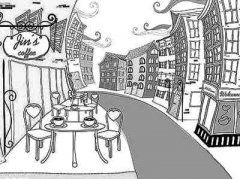
In France, especially Paris, coffee is about atmosphere as much as flavor. Locals often sip slowly, usually enjoying a café crème (similar to an Americano or filter coffee) or an espresso at a sidewalk café, people-watching and soaking in the city’s ambiance. The drink itself is secondary to the moment — the café is a place for discussion, reading, or quiet reflection. Many of Paris’s historic cafés, like Café Procope, have been hubs of literary and political life for centuries.
Café Procope, dating back to the 17th century, was a meeting place for Enlightenment thinkers like Voltaire and Rousseau, and later, revolutionaries like Robespierre. Even Napoleon once famously left his military hat behind as collateral for an unpaid coffee bill. Today, while fast coffee is available, many French people still choose to sit and take time with their coffee, valuing the environment as much as the brew. That focus on setting — not just flavor — is what makes French coffee culture so distinct.
United States: Coffee Without Rules
Americans take a far more casual approach to coffee. There are few rituals, and almost no hard rules. Coffee is consumed everywhere — at home, in the office, in cars, and from vending machines — often throughout the entire day. The U.S. drinks about one-third of the world’s coffee, making it the largest consumer globally. Unlike in Europe, where coffee is often a short, sit-down affair, Americans treat coffee as a constant companion.

From black coffee to flavored lattes, iced to hot, brewed at home or grabbed on the go, there’s no single ‘correct’ way to enjoy it. This flexibility has made coffee an ingrained part of the American lifestyle, supporting everything from early morning routines to all-night work sessions. While specialty coffee is growing in the U.S., the culture still champions convenience and personal preference over formal technique.
Frequently Asked Questions
What is Turkish coffee and how is it different?
Turkish coffee is an unfiltered coffee made with finely ground dark roast beans, boiled with water and sugar in a copper cezve. It’s served unfiltered, so the grounds settle at the bottom, and it has a thick foam on top. It’s traditionally drunk slowly and never filtered — the grounds remain in the cup, and drinking the last bit shows appreciation. It’s also common to add spices like cardamom.
Why do Italians drink espresso standing up?
Italians often drink espresso standing at the bar to enjoy it quickly, usually within a few sips. This tradition stems from espresso being designed as a fast, intense coffee break, not a leisurely drink. Standing also saves time and money — many cafés charge less for standing orders. It’s part of the Italian emphasis on efficiency and quality in coffee preparation.
Why are French cafés so important culturally?
French cafés like Café Procope have been central to the country’s intellectual and social life since the 1700s. They’ve hosted figures like Voltaire, Rousseau, and Napoleon, serving as places for debate, writing, and revolution. Even today, the atmosphere and history of these cafés matter as much as the coffee itself, making coffee drinking a cultural ritual tied to history and leisure.
Do Americans have a coffee ritual?
Americans don’t follow a single coffee ritual. Instead, coffee is consumed in countless ways — black, sweetened, iced, hot, espresso-based, or filtered — at all hours and in all settings. There’s no strict tradition, but coffee is a daily staple for most, often tied to routines like commuting or working. The lack of formality is itself a key part of U.S. coffee culture.
Why is coffee so different in each country?
Coffee varies globally due to differences in history, religion, climate, and social norms. What began as a trade commodity evolved into distinct cultural practices — from Turkish coffee’s religious roots to Italy’s espresso bar culture, France’s café society, and America’s fast, flexible coffee habits. Local tastes, available technology, and social structures all shaped how coffee is prepared and enjoyed.
Recommended FrontStreet Beans for Global Coffee Explorers
Try FrontStreet Coffee’s Brazil Queen Manor Yellow Bourbon for a sweet, creamy profile with peanut and caramel notes — ideal if you enjoy the smooth base of Turkish or Italian espresso. For a fruitier twist, their Ethiopia Huakui offers bright citrus and berry tones, echoing the vibrancy of third-wave cafés worldwide. Finally, the PWN Golden Mandheling delivers a bold, syrupy body with hints of dark chocolate, reminiscent of classic European-style roasts. Freshly roasted within 5 days · Orders placed before 17:00 ship the same day · Next-day delivery across most of Guangdong Province.
FrontStreet Coffee is a long-established specialty coffee roaster in Guangzhou China, selling freshly roasted beans from its own farm in Yunnan as well as dozens of carefully selected single-origin beans from around the world for both pour-over and espresso. The products deliver consistently excellent quality and great value, with shipping within 24 hours. Guangzhou's FrontStreet Coffee shop is recommended by many coffee lovers, and the beans are now available online at the Tmall 。
Important Notice :
前街咖啡 FrontStreet Coffee has moved to new addredd:
FrontStreet Coffee Address: 315,Donghua East Road,GuangZhou
Tel:020 38364473