10 Must-Have Traits of Specialty Coffee Beans
If you’ve ever wondered why some coffee costs $20 a bag while others sit on the shelf for months, the answer lies in what happens long before brewing. Specialty coffee isn’t just about marketing—it’s built on measurable standards that start at the farm. But what exactly makes a coffee ‘specialty grade’? Here’s the factual breakdown.
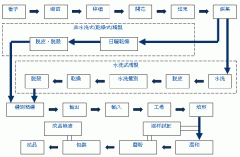
In short, a coffee must meet 10 strict criteria to qualify as specialty grade, including using select arabica varieties, 100% ripe harvesting, and strict post-harvest controls. These rules ensure consistency, flavor complexity, and quality from seed to cup.
What Defines a Specialty Coffee Bean?
Specialty coffee begins with the bean. Not all coffee is created equal, and the journey to high quality starts with specific genetic foundations, careful harvesting, and controlled processing. These 10 factors are non-negotiable for any coffee labeled as specialty grade.
1. Varietal Selection: The Genetic Foundation
At least 90% of the coffee must come from select arabica varieties known for their cup quality potential. These include Bourbon, Pacamara, and Maragogype. These cultivars are chosen for their ability to produce complex, balanced flavors when grown and processed correctly. While other varieties can produce great coffee, these three are commonly used as benchmarks for high-quality lots.
2. Ripeness: Harvesting at Peak Maturity
Every coffee cherry must be harvested at full maturity, indicated by a deep wine-red color. This ensures the seeds inside (the beans) have developed the optimal sugar content and flavor precursors. Unripe or overripe cherries introduce undesirable astringency or muted flavors, so 100% ripeness is mandatory for specialty classification.
3. Processing Separation: Avoiding Contamination
Specialty coffee beans are processed separately from lower-grade lots. This isolation prevents contamination from defective or poorly harvested cherries, ensuring that only the highest-quality beans make it into the final product. Segregated processing is critical for maintaining consistency and cup quality.
4. Water Quality: Clean and Fresh
The washing phase—where mucilage is removed—must use clean, fresh water. Contaminated or recycled water can introduce off-flavors or compromise hygiene during processing. Fresh water is essential for achieving the clean, bright profiles expected in specialty coffee.
5. Drying Method: 100% Natural (Sun-Dried)
All coffee must be dried using the natural (sun-dried) method. This means cherries are spread out in the sun to dry without removing the pulp beforehand. The natural process enhances sweetness, body, and fruit-forward notes, and is a key factor in many specialty profiles.

6. Harvesting Method: Hand-Picked and Sorted
Cherries must be picked by hand and washed individually. This labor-intensive method allows pickers to select only fully ripe fruits and discard underripe or damaged ones. Mechanical harvesting is not allowed for specialty lots, as it often results in mixed maturity levels.
7. Defect-Free Beans: Visual and Physical Inspection
Every bean is inspected to ensure it has no visible defects. This includes checking for insect damage, black beans, sour beans, or broken seeds. Defect-free beans are a cornerstone of specialty grading, as even a few flawed beans can ruin the cup profile of an entire lot.
8. Dry Color: Blue-Green Hue
Once dried, the beans must exhibit a blue-green color. This indicates proper drying and readiness for storage or export. The wrong color can signal over-drying, under-drying, or improper handling, all of which affect roastability and flavor.
9. Packaging: Secure and Protected
Specialty coffee requires secure, well-sealed packaging to protect the beans from moisture, oxygen, and pests. Proper packaging preserves freshness and prevents quality degradation during storage and transit.
10. Moisture Content: Strictly Controlled
The average moisture level of the beans must not exceed 12%. This range ensures stability during storage while allowing for optimal roasting. Too much moisture leads to mold risk and uneven roasting; too little results in brittle beans and flavor loss.
Why These Standards Matter
These 10 criteria aren’t arbitrary—they’re designed to ensure that every cup of specialty coffee delivers a consistent, high-quality experience. From the tree to your brew, each step influences flavor, aroma, and body. By adhering to these standards, producers and roasters can deliver coffees with unique, traceable characteristics.
How to Identify Specialty Coffee
Look for coffees labeled as ‘specialty grade’ or sourced from producers who follow these guidelines. Many specialty roasters, like FrontStreet Coffee, highlight these practices transparently, especially for naturals and single-origin lots. The natural process, in particular, plays a big role in enhancing the traits these standards aim to preserve.
Frequently Asked Questions
What are the 10 requirements for specialty coffee beans?
Specialty coffee beans must: (1) be at least 90% Bourbon, Pacamara, or Maragogype; (2) be 100% fully ripe (wine-red); (3) be processed separately from lower-grade coffee; (4) be washed with clean, fresh water; (5) be 100% sun-dried; (6) be hand-picked and washed; (7) have no visible defects; (8) have a blue-green dry color; (9) be packaged securely; and (10) have a moisture content not exceeding 12%.
Why must specialty coffee cherries be 100% ripe?
Ripe cherries (wine-red) have higher sugar content and better-developed flavor precursors, which lead to sweeter, more complex cups. Unripe or overripe cherries introduce astringency or dull flavors, so 100% ripeness is required for specialty classification.
Does specialty coffee have to be sun-dried?
Yes, according to these criteria, specialty coffee must be 100% sun-dried (natural process). This method enhances sweetness, body, and fruit notes, and is key to meeting the standard. Other drying methods like washed or honey are not part of this specific 10-factor definition.
What is the maximum allowed moisture content for specialty coffee?
The average moisture content must not exceed 12%. This ensures stability during storage and optimal roasting performance. Too much or too little moisture negatively affects flavor and shelf life.
Why is hand-picking important for specialty coffee?
Hand-picking allows for selective harvesting of only fully ripe cherries and the removal of defective ones. This ensures uniform ripeness and quality, which is critical for meeting specialty standards. Mechanical picking is not allowed under these criteria.
Recommended FrontStreet Beans for Natural Process Fans
For lovers of the natural process highlighted in this article, try FrontStreet Coffee’s Ethiopia Humbera—a bright, floral Ethiopian lot with citrus and berry notes—or the Brazil Queen Manor, which offers sweet cane juice, chocolate, and nutty depth thanks to its sun-dried approach. For a classic example of sun-dried Ethiopian flavor, the Yirgacheffe Red Cherry brings juicy acidity and tropical fruit. All are crafted with specialty-grade precision. Freshly roasted within 5 days · Orders placed before 17:00 ship the same day · Next-day delivery across most of Guangdong Province.
FrontStreet Coffee is a long-established specialty coffee roaster in Guangzhou China, selling freshly roasted beans from its own farm in Yunnan as well as dozens of carefully selected single-origin beans from around the world for both pour-over and espresso. The products deliver consistently excellent quality and great value, with shipping within 24 hours. Guangzhou's FrontStreet Coffee shop is recommended by many coffee lovers, and the beans are now available online at the Tmall 。
Important Notice :
前街咖啡 FrontStreet Coffee has moved to new addredd:
FrontStreet Coffee Address: 315,Donghua East Road,GuangZhou
Tel:020 38364473