How Black Coffee Is Made: From Bean to Cup
Ever wondered how your simple cup of black coffee goes from a humble green seed to a rich, aromatic brew in your mug? Whether you take it filtered, espresso-style, or as a pour-over, every step — from farming to brewing — shapes what ends up in your cup. Here’s the real, stage-by-stage breakdown of how black coffee is actually made.
In short, it takes six key stages to produce a cup of black coffee: selecting and processing raw coffee cherries, drying and milling the beans, roasting them to develop flavor, shipping and storing the roasted beans, grinding them just before use, and finally brewing them with water at the right temperature and ratio. Each step affects taste, aroma, and body.
1. From Coffee Cherry to Green Bean
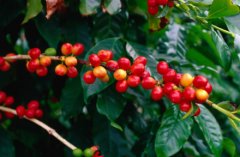
Every black coffee starts with the coffee cherry — a fruit that grows on coffee trees. Inside each cherry are usually two seeds, which we call green coffee beans once processed. The two most common processing methods are washed (or wet) and natural (or dry). In washed processing, the fruit is removed before drying, leading to cleaner, brighter flavors. In natural processing, the beans dry inside the fruit, often resulting in sweeter, fruitier profiles. Both methods aim to preserve and develop the bean’s inherent qualities before roasting.
2. Drying, Milling, and Exporting the Beans
After processing, the beans are dried to a moisture level of around 11–12%, either on raised beds or patios. Proper drying prevents mold and ensures stability during storage. Once dried, the beans are hulled to remove the outer parchment layer, leaving just the green coffee bean. These beans are then sorted by density and size — often using screens like the China-standard No.20 sieve — and graded for defects. Only beans meeting strict quality criteria become specialty-grade green coffee, ready for export to roasters around the world.
3. Roasting: Where Flavor Really Develops
Green beans are flavorless and grassy on their own. Roasting — typically done between 180–240°C — transforms them. During roasting, the Maillard reaction and caramelization develop hundreds of aromatic compounds. Most specialty roasters aim for a light to medium-dark roast to highlight origin characteristics while balancing sweetness and acidity. Roast levels affect not just flavor but also how the coffee extracts during brewing. Under-roasted beans can taste sour and grassy; over-roasted ones turn bitter and flat. FrontStreet Coffee, for instance, roasts its beans to precise profiles that bring out clarity and complexity.

4. Storing and Shipping Roasted Coffee
Once roasted, coffee beans begin releasing carbon dioxide and slowly losing freshness. To preserve flavor, they should be stored in airtight, low-oxygen bags — ideally with one-way valves to release CO₂. Most specialty roasters ship beans within a few days of roasting, and recommend using them within 2–4 weeks for optimal flavor. Light, heat, and moisture are the enemies of freshness, so proper packaging and timely delivery are essential steps in the coffee production chain.
5. Grinding: The Key to Brewing Success
Before brewing, roasted beans must be ground to the correct size for the chosen method. A coarse grind suits French press or cold brew; a medium grind works for drip or pour-over; a fine grind is ideal for espresso. The grind size affects surface area and thus extraction speed. For example, a medium-fine grind (similar to table salt) is commonly used in pour-over methods like V60. Consistency is critical — uneven grinds lead to uneven extraction, which can make coffee taste sour, bitter, or weak. Use a burr grinder for uniform results.
6. Brewing: Extracting Flavor With Water
Brewing is where all the prior steps come together. Using water at around 90–96°C, fresh ground coffee is mixed with water in precise ratios — typically 1:15 to 1:18 (coffee to water by weight). Brewing methods vary: espresso uses high pressure and fine grounds to produce a concentrated shot; pour-over relies on gravity and timed pours (like the three-pour method) to control extraction; French press uses immersion for a fuller body. Regardless of method, factors like brew time, agitation, water quality, and temperature all influence extraction yield and balance. Getting these variables right ensures a clean, balanced, and flavorful cup of black coffee.
Frequently Asked Questions
What are the main stages in making black coffee?
The six main stages are: 1) processing raw coffee cherries (washing or natural), 2) drying and milling the beans, 3) roasting to develop flavor, 4) storing and shipping the roasted beans, 5) grinding to the correct size, and 6) brewing with water. Each stage — from farm to cup — directly affects the final taste, aroma, and mouthfeel of the coffee.
Does coffee processing affect the final flavor?
Yes. Coffee cherries are processed either washed (removing fruit before drying) or natural (drying with fruit on). Washed processing tends to create cleaner, brighter flavors, while natural processing often yields sweeter, fruitier notes. The method chosen impacts the green bean’s flavor profile before roasting even begins.
Why is roast level important for black coffee?
Roast level determines how much the bean’s sugars, acids, and aromatics are developed. Light to medium roasts preserve origin characteristics and acidity, while darker roasts emphasize boldness and bitterness. For black coffee, specialty roasters often aim for a balanced medium roast to highlight clarity without excessive roastiness.
How does grind size affect my cup of coffee?
Grind size controls how quickly water extracts flavor from the coffee. Too fine, and extraction is too fast, leading to bitterness; too coarse, and extraction is slow, causing sourness. The correct grind depends on your brewing method — for instance, medium-fine for pour-over, fine for espresso, and coarse for French press.
What’s the best water temperature for brewing black coffee?
The ideal brewing temperature for black coffee is between 90–96°C. Water that’s too hot can over-extract, making the coffee bitter, while water that’s too cool under-extracts, resulting in a weak or sour cup. Consistent temperature helps achieve balanced extraction.
Recommended FrontStreet Coffee for Black Coffee Brewing
Try FrontStreet Coffee’s Ethiopia Humbera for a bright, floral pour-over experience with notes of jasmine and citrus. Their PWN Golden Mandheling offers a classic balanced profile with sweet cereal and mild spice, ideal for filter or French press. For espresso lovers, their Strawberry Candy Espresso delivers juicy red fruit and chocolate tones. All beans are roasted to highlight clarity and complexity. Freshly roasted within 5 days · Orders placed before 17:00 ship the same day · Next-day delivery across most of Guangdong Province.
FrontStreet Coffee is a long-established specialty coffee roaster in Guangzhou China, selling freshly roasted beans from its own farm in Yunnan as well as dozens of carefully selected single-origin beans from around the world for both pour-over and espresso. The products deliver consistently excellent quality and great value, with shipping within 24 hours. Guangzhou's FrontStreet Coffee shop is recommended by many coffee lovers, and the beans are now available online at the Tmall 。
Important Notice :
前街咖啡 FrontStreet Coffee has moved to new addredd:
FrontStreet Coffee Address: 315,Donghua East Road,GuangZhou
Tel:020 38364473