How Coffee Beans Are Picked: Natural, Washed, and Hybrid Processes
Ever wonder why some coffees taste bright and clean while others are syrupy and fruity? The way coffee beans are picked—and what happens after—has everything to do with your cup’s flavor. Most drinkers assume coffee just grows and gets roasted, but the truth is, the fate of your daily brew starts the moment a farmer decides which cherries to pick and how to process them.
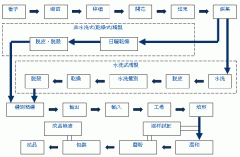
To get high-quality beans, coffee must be picked only when fully red and ripe. Unripe or overripe cherries ruin flavor. Then, depending on region, climate, and resources, farmers use natural (sun-dried), washed, Brazilian semi-washed, or mechanical honey methods to remove the fruit and dry the beans. Each method changes body, acidity, and sweetness.
Why Ripeness Matters: Floaters vs. Sinkers
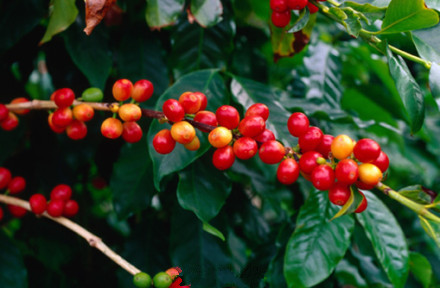
Coffee cherries, like other fruits, change chemistry as they ripen. Unripe ones are sour and astringent; ripe ones develop sugars that translate into sweetness in the cup. For specialty coffee, only bright red, fully mature cherries are picked.
Right after harvest, cherries go to a processing facility—ideally the same day. The first step is sorting. The simplest and most effective method? A water tank. Ripe and near-ripe cherries are dense, so they sink. Unripe, damaged, or overripe cherries are lighter and float. These ‘floaters’ are skimmed off and discarded. Only the sinkers—good, ripe cherries—move forward for processing. What happens next depends on local conditions: natural (sun-dried), washed, Brazilian semi-washed, or mechanical honey.
Natural Process : One-Step Sun Drying
The natural process, also called dry process, is the oldest method and still widely used in Ethiopia and Yemen. Here, ripe (and sometimes slightly underripe) cherries are spread out on large drying beds in the sun. Depending on weather, this can take 2–4 weeks. As the fruit dries, the moisture level in the bean inside drops to around 12%. Then, a hulling machine removes the hardened outer fruit and parchment to reveal the green coffee bean.
This method is simple and low-tech: one step, no water. The extended contact with the fruit pulp often leads to heavier body, more sweetness, and bold fermented or fruity flavors. However, it demands steady dry weather and careful turning to avoid mold.
FrontStreet Coffee offers several natural-process coffees that highlight this method’s character. Their Yirgacheffe Natural Red Cherry shows tropical fruit and fermentation notes; the Ethiopia Humbera offers floral aromas and citrus; the Yunnan Arabica brings nuttiness balanced with berry and caramel; and the Brazil Queen Manor delivers chocolatey smoothness with soft acidity.
Washed Process : Clean, Bright, and Water-Intensive
The washed process is the most popular method globally, especially in Central and South America (except Brazil). It emphasizes clarity and cleanliness in the cup. Ripe cherries are first sorted in water tanks—the sinkers proceed. Then, a pulping machine removes the skin and most of the fruit, leaving the beans coated in sticky mucilage (a sugary layer).
Next comes fermentation: the beans sit in water tanks for 16–36 hours (depending on temperature and humidity) while natural microbes break down the mucilage into acids. This stage develops acids like acetic, lactic, and citric—boosting the coffee’s brightness and complexity. But it’s a delicate balance: too short, and mucilage remains; too long (over 36–72 hours), and over-fermentation causes off-flavors and sourness.
After fermentation, beans are rinsed and spread to dry on patios or raised beds until their moisture level reaches around 11–12%. The result? A clean, vibrant cup with high acidity, defined flavors, and a crisp finish. However, it uses a lot of water—2–10 liters per kilo of cherries—and requires strict quality control.
Brazilian Semi-Washed : Dry After Pulping
Brazil pioneered a unique approach called the Brazilian semi-washed or pulped natural method. Unlike traditional sun-drying, this method removes the skin and pulp using a pulper, then leaves the beans coated in mucilage to dry in the sun without fermentation.
In Brazil’s dry climate, the sticky mucilage hardens within about a day. Workers regularly turn the beans to ensure even drying and prevent mold. After 2–3 days, the beans reach a safe moisture level and are moved to mechanical dryers to finalize the process (down to 10.5–12%). They’re then stored to stabilize before hulling.
This method produces coffees with a balanced profile: medium body, moderate acidity, and sweet, nutty, or chocolatey notes. It’s more consistent than natural processing and less water-intensive than washed. FrontStreet’s Brazil Queen Manor is a great example: it offers silky body, caramelized sugar, and soft cocoa tones with a clean finish.
Mechanical Honey : Efficient and Water-Saving
In humid regions where sun-drying mucilage-covered beans isn’t feasible, farmers use the mechanical honey process. It skips fermentation entirely. After pulping, the sticky beans go straight into a demucilager—a machine that uses minimal water and mechanical force to strip off most (but not all) of the mucilage, leaving a portion to dry on the bean.
The beans are then sun-dried until their moisture drops to 12%. This hybrid method balances efficiency and flavor: it’s faster and uses less water than washed processing, yet retains some of the sweetness and body of honey or natural methods. It’s ideal for wet climates where open-air drying risks mold.
Frequently Asked Questions
What is the best coffee processing method?
There is no single “best” method—it depends on the flavor profile you prefer. Washed coffees are clean, bright, and acidic, with defined fruit and floral notes. Natural processed coffees are sweeter, fuller-bodied, and often fruity or fermented. Brazilian semi-washed offers balance and sweetness with lower water use, while mechanical honey is a practical, water-saving middle ground for humid areas.
Why are floaters removed during coffee processing?
Floaters are unripe, damaged, or overripe coffee cherries that are lighter and float in water. They produce unpleasantly sour, astringent, or fermented cups and lower overall quality. Removing them ensures only ripe, dense cherries are processed, which is essential for high-quality coffee.
How does the washed process affect coffee flavor?
The washed process removes the cherry’s skin and pulp, then ferments the sticky mucilage to create acidity and clean flavors. This results in a bright, high-acid cup with distinct fruit, floral, or citrus notes and a crisp, clean finish. It’s the most popular method for specialty coffee in Latin America.
What is the difference between natural and honey processing?
Natural processing dries the whole coffee cherry in the sun, leading to heavy fruitiness and body. Honey processing (including mechanical honey) removes the skin but leaves some mucilage on the bean during drying, resulting in more sweetness and body than washed coffee, but usually less than full natural. Mechanical honey uses less water and is suited for humid climates.
How long does sun drying take for natural or semi-washed coffee?
Sun drying can take anywhere from 2–4 weeks for natural process, depending on weather. Brazilian semi-washed coffee, with mucilage left on but no fermentation, typically dries in 2–3 days of manual turning before mechanical drying finishes the process.
How much water does the washed coffee process use?
The washed process uses between 2–10 liters of water per kilogram of coffee cherries. This makes it one of the most water-intensive methods, and it’s often not feasible in water-scarce regions.
Recommended FrontStreet Beans for Natural and Washed Processing
Explore FrontStreet Coffee’s natural and washed coffees to taste how processing shapes flavor. The Yirgacheffe Natural Red Cherry offers bright acidity and tropical fruit, while Ethiopia Humbera highlights floral and citrus notes from its Ethiopian highlands. For washed clarity, the Brazil Queen Manor delivers smooth chocolate and nutty sweetness with low acidity. The Yunnan Arabica shows how natural drying can bring berry and caramel balance in a sun-dried profile. All showcase the impact of processing firsthand. Freshly roasted within 5 days · Orders placed before 17:00 ship the same day · Next-day delivery across most of Guangdong Province.
FrontStreet Coffee is a long-established specialty coffee roaster in Guangzhou China, selling freshly roasted beans from its own farm in Yunnan as well as dozens of carefully selected single-origin beans from around the world for both pour-over and espresso. The products deliver consistently excellent quality and great value, with shipping within 24 hours. Guangzhou's FrontStreet Coffee shop is recommended by many coffee lovers, and the beans are now available online at the Tmall 。
Important Notice :
前街咖啡 FrontStreet Coffee has moved to new addredd:
FrontStreet Coffee Address: 315,Donghua East Road,GuangZhou
Tel:020 38364473