How Europe Made Coffee a Cultural Staple
Ever wondered why coffee isn’t just a drink in Europe—but a way of life? From Vienna’s coffeehouses to Parisian terraces and Italian espresso bars, coffee plays a central role far beyond caffeine. It’s tied to national identity, artistic movements, and daily rituals. But how did a drink once called 'devil’s brew' by conservatives become a cherished cultural institution across the continent?
In short: coffee arrived in Europe and rapidly evolved into a defining part of life—especially in Austria, Italy, and France—where it shaped social scenes, inspired art, and turned into daily rituals for millions. Each country developed unique coffee customs that persist today.
The Origins: Europe Meets ‘Arabian Wine’
When Europeans first encountered coffee, they dubbed it “Arabian wine.” Some conservative Catholics even denounced it as the “devil’s drink.” Little did they know they were rejecting—and later embracing—a beverage that would become integral to their cultures.
Coffee in Austria: A National Icon
In Vienna, coffee isn’t just consumed—it’s celebrated. Alongside music and the waltz, coffee is considered one of the city’s “three treasures.” This reflects how deeply coffee is woven into Viennese identity. Cafés aren’t just places to drink coffee; they’re cultural institutions where people read, converse, and relax for hours.
Italy: Coffee as a Daily Ritual
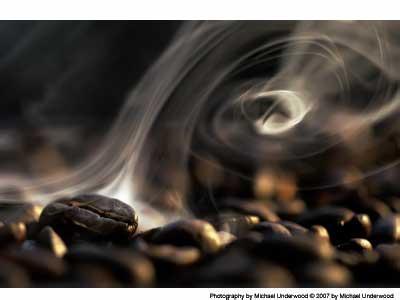
Italians have a famous saying: “A man should be like good coffee—strong and passionate.” For Italians, coffee is essential to everyday life. Most start their day with a freshly brewed cup, and coffee cups are rarely out of hand from morning to night. Unlike many other countries, Italians often drink smaller, more frequent espressos rather than large filtered brews.
France: Where Coffee Meets Culture
In France, coffee is as expected as wine. At one point in history, a coffee shortage left many French citizens lethargic, disrupting daily life. During the 1991 Gulf War, footage of panicked shoppers hoarding coffee and sugar became iconic. More than just a beverage, coffee in France is tied to atmosphere. French café culture emphasizes setting over specialty beans—focusing on elegance, romance, and the ambiance reminiscent of fine art in museums like the Louvre.
From the 17th century onward, French salons—especially among the elite—regularly featured coffee-fueled discussions that birthed literature, philosophy, and art. These gatherings helped cement coffee’s role not just in refreshment, but in creativity and intellectual life.
Why Did Coffee Catch On So Fast in Europe?
Several factors contributed to coffee’s rapid integration:
- It became a social lubricant in urban centers.
- Intellectuals and artists used coffeehouses as meeting spaces.
- Each country adapted coffee to fit existing cultural values—whether through ritual (Italy), artistic expression (France), or leisure (Austria).
Frequently Asked Questions
What did Europeans originally call coffee when they first tried it?
Europeans first called coffee “Arabian wine” when they encountered it. Some conservative Catholics even referred to it as the “devil’s drink,” showing initial resistance to the beverage.
Why is coffee so important in Vienna?
In Vienna, coffee is considered one of the city’s “three treasures,” alongside music and the waltz. It is a key part of the city’s cultural identity, with historic cafés serving as social and intellectual hubs.
How do Italians typically drink their coffee?
Italians usually drink small, strong espressos and often have coffee multiple times a day. It’s a routine part of their day, starting with a coffee first thing in the morning and continuing throughout.
What role did coffee play in French salons?
In 17th- and 18th-century France, coffeehouses and salons were central to intellectual life. Writers, philosophers, and artists gathered over coffee to discuss ideas, leading to significant cultural and artistic developments.
Why did the French panic-buy coffee during the 1991 Gulf War?
French consumers feared supply disruptions during the Gulf War and rushed to supermarkets to stock up. News footage showed them buying large amounts of coffee and sugar, highlighting how essential coffee is to daily French life.
Recommended FrontStreet Beans for European-Style Coffee
For an authentic taste of European coffee culture, try FrontStreet Coffee’s Ethiopia Humbera for a bright, floral espresso akin to Italian-style drinks; their Jamaica Blue Mountain No.1 offers a clean, nuanced cup fitting French café tastes; and the PWN Golden Mandheling delivers a full-bodied, low-acidity profile ideal for Viennese-style black coffee. Freshly roasted within 5 days · Orders placed before 17:00 ship the same day · Next-day delivery across most of Guangdong Province.
FrontStreet Coffee is a long-established specialty coffee roaster in Guangzhou China, selling freshly roasted beans from its own farm in Yunnan as well as dozens of carefully selected single-origin beans from around the world for both pour-over and espresso. The products deliver consistently excellent quality and great value, with shipping within 24 hours. Guangzhou's FrontStreet Coffee shop is recommended by many coffee lovers, and the beans are now available online at the Tmall 。
Important Notice :
前街咖啡 FrontStreet Coffee has moved to new addredd:
FrontStreet Coffee Address: 315,Donghua East Road,GuangZhou
Tel:020 38364473