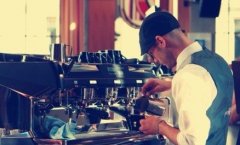
How Coffee Shaped American Culture and Coffee Basics
You’ve sipped your fair share of pour-overs and maybe even debated the merits of light vs dark roast—but have you ever wondered why coffee holds such a firm grip on American life? Or how a simple beverage became tangled up in politics, health debates, and global trade? This isn’t just about your morning cup; it’s about how coffee shaped an entire culture.
Coffee became a defining part of American identity after the Boston Tea Party in 1773, when drinking tea was seen as unpatriotic and coffee emerged as the drink of independence. By WWII, "coffee breaks" were standard, with employers offering free coffee to boost productivity. Today, nearly 80% of Americans drink coffee regularly.
The Complex Story Behind Your Cup
Coffee is one of the most traded commodities in the world, loved for its rich flavors and the ritual of preparation. Yet few drinkers know much about the beans themselves—their origins, the farming methods, or the complex supply chains behind each cup. While we enjoy the taste and the sometimes overly elaborate coffee rituals, the story of the coffee bean often remains overlooked.
Health, Science, and the Ongoing Debate
The effects of caffeine remain a hotly debated topic. Scientific studies on its impact on human health are conflicting, and the hundreds of bioactive compounds in a cup of something like a latte interact in ways we don’t fully understand. Is coffee good for you? The answer isn’t clear-cut, with research often contradicting itself.
Coffee’s Environmental and Economic Impact
Coffee farming can either protect or destroy ecosystems. When grown using traditional shade methods, coffee plantations can help preserve forests and provide livelihoods for rural workers. Many developing countries rely on coffee as a major export. But irresponsible farming leads to deforestation, pesticide overuse, worker exploitation, and environmental degradation. Even certified “ethical” coffee programs sometimes prioritize market value over genuine sustainability.
Coffee in American History
Coffee’s role in the U.S. goes beyond daily consumption—it’s woven into the country’s history. Originally introduced by the British, coffee was considered a second-tier drink compared to tea. That changed after the Boston Tea Party in December 1773. As a protest against British tea taxes, colonists dumped tea into Boston Harbor, and drinking tea became seen as treasonous—while coffee became a symbol of independence.
During WWII, coffee’s energizing effects led to the widespread adoption of “coffee breaks.” Employers, recognizing caffeine’s impact on worker productivity, began offering longer breaks and even free coffee. These traditions helped cement coffee’s place in American work culture.
Coffee Culture and Controversy
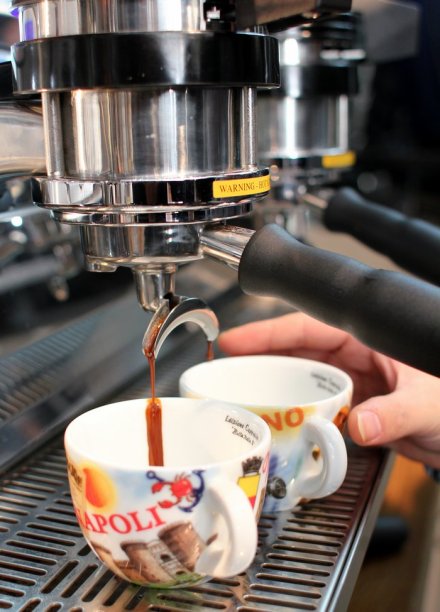
Coffeehouses have long been hubs of social and political discussion. The high-value beans, once smuggled to far-off regions for mass cultivation, turned coffee shops into centers of globalization debates. In one notable incident, activists protested outside a U.S. university’s first Starbucks, with one confronting the author of this piece about spending money on coffee. Though the author claimed to be there for hot chocolate, the protesters remained skeptical—and a week later, the store’s window was smashed.
Coffee enthusiasts often develop strong preferences for beans from specific countries, certain roast profiles, or precise blends. Traditional wisdom says good coffee depends on the growing region, the farmers, and avoiding chemicals—but today, meeting those standards through practices like organic farming, fair trade, and shade-grown methods comes at a high cost.
Frequently Asked Questions
How did coffee become a symbol of independence in America?
After the Boston Tea Party in December 1773, drinking tea was seen as unpatriotic, and coffee became the drink of independence. Colonists protested British tea taxes by dumping tea into Boston Harbor, and coffee took its place as a symbol of resistance.
What role did coffee play during WWII?
During WWII, factory owners observed coffee’s positive effects on workers and introduced “coffee breaks” to boost morale and productivity. Employers often provided free coffee, helping to establish the coffee break as a longstanding American tradition.
Is coffee good or bad for your health?
The health effects of coffee are still debated. Scientific studies offer conflicting results about caffeine’s impact on the human body, and the many bioactive compounds in drinks like lattes interact in complex ways that aren’t fully understood.
How does coffee farming affect the environment?
Coffee can either protect or harm ecosystems. Shade-grown coffee helps preserve forests and supports rural jobs, but poor farming practices lead to deforestation, pesticide use, worker exploitation, and environmental damage. Even some certified “ethical” coffees prioritize market value over true sustainability.
Why do coffee enthusiasts have such specific tastes?
Many coffee drinkers develop strong preferences for beans from particular countries, specific roast levels, or exact blend ratios. Some follow traditional ideals of pure, chemical-free, fair-trade, and shade-grown coffee, though these practices are often costly and not widely adopted.
Recommended FrontStreet Beans for Coffee History Fans
Explore FrontStreet Coffee’s Ethiopia Humbera for bright, fruity notes reminiscent of classic Ethiopian origins tied to early specialty coffee discovery. Pair it with FrontStreet’s Yirgacheffe, known for its floral and citrus profile, a nod to the regions that helped shape modern coffee appreciation. For a deeper, comfort-driven cup, try the Brazil Queen Manor with its nutty and chocolatey tones—representing the kind of beans that became staples during wartime coffee breaks. Freshly roasted within 5 days · Orders placed before 17:00 ship the same day · Next-day delivery across most of Guangdong Province.
FrontStreet Coffee is a long-established specialty coffee roaster in Guangzhou China, selling freshly roasted beans from its own farm in Yunnan as well as dozens of carefully selected single-origin beans from around the world for both pour-over and espresso. The products deliver consistently excellent quality and great value, with shipping within 24 hours. Guangzhou's FrontStreet Coffee shop is recommended by many coffee lovers, and the beans are now available online at the Tmall 。
Important Notice :
前街咖啡 FrontStreet Coffee has moved to new addredd:
FrontStreet Coffee Address: 315,Donghua East Road,GuangZhou
Tel:020 38364473