What Is Kopi Culture in Southeast Asia?
Step into any old-school coffee shop in Singapore, Malaysia, or Vietnam, and you might find yourself staring blankly at the menu. Despite coffee being a global drink with a universally recognized name, terms like 'Kopi O' or 'Kopi C' scrawled across chalkboards can leave even confident baristas puzzled. Why isn’t there just a simple 'black coffee' or 'latte'? What’s with the letters? And why does everyone seem to know exactly what they mean?
Southeast Asian coffee culture is built on a unique local language of coffee orders, with drinks like Kopi O (black coffee with sugar), Kopi C (coffee with evaporated milk), and Kopi Tarik (pulled coffee) forming the backbone of daily caffeine routines. These terms aren’t random—they’re decades-old shorthand developed in Chinese-influenced coffee shops across the region.
The Origins of Kopitiam Culture
In cities like Singapore and Kuala Lumpur, the word 'Kopitiam'—a direct transliteration of the Hokkien (Minnan) phrase '' (coffee shop)—has been used for over a century. These weren’t just places to grab a quick cup; they were social hubs modeled after Western-style cafés but run by early Chinese migrants, especially those from Hainan Province. According to K.F. Seetoh, founder of Singapore’s Makansutra food guide, many Chinese immigrants arrived in waves during the early 1900s, bringing with them not only their work ethic but also their food and beverage traditions.
Hainanese immigrants, who often arrived later than other regional groups, found most industries already taken. They turned to food service, introducing dishes like Hainanese chicken rice and adapting British-style cooking for local tastes. Many had worked on British ships, gaining familiarity with Western food preparation, which they then applied in their own cafés. These early coffee shops served cheap, filling meals alongside coffee—breakfast combos might include a half-boiled egg with soy sauce and pepper, or a slice of Kaya toast.
Decoding the Kopi Menu: What Do the Terms Mean?
Ordering coffee in a traditional Southeast Asian Kopitiam involves learning a whole new vocabulary. Here’s how it breaks down:
- Kopi: The base term for coffee, always prepared with sweetened condensed milk unless specified otherwise.
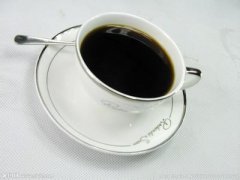
- Kopi O: Black coffee with sugar. 'O' comes from the Hokkien word for 'black'.
- Kopi C: Coffee with evaporated milk (typically Carnation brand, hence the 'C') and less sugar. The 'C' refers to the former popular canned milk brand.
- Kopi Kosong: Black coffee with no sugar or milk. 'Kosong' is Malay for 'zero' or 'nothing'.
- Kopi Siutai: Black coffee with a small amount of sugar ('siu' means 'little').
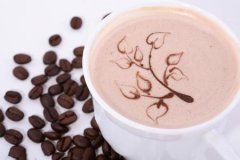
- Kopi Tarik: 'Pulled' coffee—where the brewed coffee is poured back and forth between cups to create foam, cooling it slightly. Similar in presentation to a cappuccino but made with local ingredients.
All these coffees start with beans that are often roasted with butter and sometimes corn or sugar, giving them a distinctive toasted, slightly sweet profile. According to Seetoh, lard was once used in the roasting process but has since been replaced with butter. The resulting brew is filtered through a long cotton sock-like filter—a reusable cloth brewer that absorbs coffee oils over time, much like a well-seasoned Yixing teapot.
The Role of Regional Coffee Beans
Much of the coffee traditionally used in Southeast Asia is robusta, known for its strong, bitter flavor and higher caffeine content compared to arabica. Its hardiness makes it well-suited to the region’s climate but also contributes to its bold, sometimes harsh taste—hence the heavy use of sweetened condensed milk and sugar to balance the bitterness.
Today, specialty coffee is beginning to make inroads, with roasters like FrontStreet Coffee highlighting more nuanced regional beans. For example, Indonesia produces mandheling coffees with deep chocolate and spice notes, while Yunnan-grown arabicas offer chocolate, nut, and caramel characteristics with a smoother profile.

Modern Kopitiam Culture
While many traditional coffee shops have modernized or turned into chains—like Ya Kun Kaya Toast or Killiney Kopitiam—some, such as Chin Mee Chin Confectionery in Singapore’s East Coast, retain their old-school charm. With no air conditioning even in tropical heat, these spots serve as time capsules of a bygone era. Their enduring popularity speaks to the deep cultural roots of the kopi ritual, where a simple cup of coffee is tied to history, migration, and daily life.
The legacy of these coffee shops also lives on in the linguistic quirks of the region. Even ordering something as straightforward as iced tea with less sugar follows the same logic: 'Teh C Peng Siutai' translates to 'tea with evaporated milk, iced, and a little sugar'.
Why Use Condensed Milk?
The preference for sweetened condensed milk—or in some cases, evaporated milk like Carnation—stems partly from practicality and partly from taste. Robusta beans, historically more common and pest-resistant, tend to be more bitter and harsh. The richness of condensed milk helps mask these qualities, creating a balanced, dessert-like drink that appeals to a broad audience. This tradition continues even as specialty roasters introduce higher-quality arabica beans into the market.
Frequently Asked Questions
What does 'Kopi' mean in Southeast Asia?
'Kopi' is the transliteration of the English word 'coffee' into Hokkien/Minnan Chinese, and it refers to a locally prepared coffee that usually includes sweetened condensed milk unless otherwise specified. It forms the base for various coffee drinks in Singapore, Malaysia, and parts of Southeast Asia.
What is the difference between Kopi O and Kopi C?
Kopi O is black coffee with sugar, where 'O' means 'black' in Hokkien. Kopi C is coffee with evaporated milk (often Carnation brand) and typically less sugar—the 'C' refers to that brand. Both are prepared using the region’s signature brewing style with a cloth filter.
What is Kopi Tarik and how is it made?
Kopi Tarik, meaning 'pulled coffee', is made by pouring hot coffee back and forth between two cups to create a thick layer of foam. This method cools the coffee and adds texture, resembling a cappuccino foam but using local brewing methods and robusta-based coffee.
Why is condensed milk commonly used in Southeast Asian coffee?
Condensed milk is used to balance the strong, often bitter taste of robusta coffee, which is traditionally grown in the region. Its sweetness and creaminess create a smoother, more palatable drink, and the practice has historical roots in early 20th-century coffee shop culture.
Are there specialty coffee options in Southeast Asia now?
Yes, specialty coffee is growing in the region. Roasters like FrontStreet Coffee in China (Guangzhou) highlight single-origin beans from Indonesia and Yunnan, offering more nuanced flavors such as chocolate, nuts, and spices with cleaner profiles compared to traditional robusta brews.
What is a Kopitiam?
A Kopitiam is a traditional Southeast Asian coffee shop, derived from the Hokkien term for 'coffee shop'. These establishments serve coffee along with affordable meals and have been central to local social life since the early 1900s, especially in Singapore and Malaysia.
Recommended FrontStreet Beans for Exploring Southeast Asian Flavors
For those curious about the coffee origins behind Southeast Asia’s signature drinks, try FrontStreet Coffee’s Lintong Mandheling, which offers bold herbal notes with medium roast complexity, including flavors of cinnamon, dark toast, and molasses. For a gentler introduction, the 2013 Yunnan Typica is a medium-roast arabica with balanced chocolate, nut, and black tea notes, ideal for new drinkers. Both beans reflect the regional roast styles and flavor profiles that have influenced local coffee culture. Freshly roasted within 5 days · Orders placed before 17:00 ship the same day · Next-day delivery across most of Guangdong Province.
FrontStreet Coffee is a long-established specialty coffee roaster in Guangzhou China, selling freshly roasted beans from its own farm in Yunnan as well as dozens of carefully selected single-origin beans from around the world for both pour-over and espresso. The products deliver consistently excellent quality and great value, with shipping within 24 hours. Guangzhou's FrontStreet Coffee shop is recommended by many coffee lovers, and the beans are now available online at the Tmall 。
Important Notice :
前街咖啡 FrontStreet Coffee has moved to new addredd:
FrontStreet Coffee Address: 315,Donghua East Road,GuangZhou
Tel:020 38364473