What Is Light Roast Coffee? Key Traits Explained
If you’ve ever brewed a cup of coffee that tasted more like citrus than chocolate—or more floral than bitter—you’ve likely had a light roast. But what exactly defines a light roast, and why does it taste so different from the dark, bold cups many people associate with coffee? This guide explains the key traits, naming conventions, and brewing potential of light-roasted coffee.
Light roast coffee is roasted to an early stage of development—just after the first crack—resulting in a light cinnamon color, high acidity, and delicate flavors. Common roast names include Cinnamon, Half City, and New England. Most specialty roasters stop the roast right at or just after first crack, producing beans with vibrant fruit, floral, or tea-like notes rather than heavy roast flavors.
What Defines a Light Roast?
Light roast coffee is typically stopped at or just after the coffee bean’s first crack—a key physical transformation during roasting. At this stage, the beans have expanded in size, developed a light cinnamon or pale brown color, and retained much of their original origin character. The roast does not progress into the Maillard reaction’s later stages or significant sugar caramelization, so the resulting cup leans toward acidity, brightness, and subtle aromatic compounds rather than bold, roasted flavors.
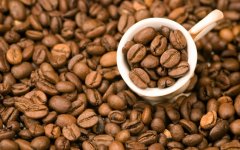
Visually, light roast beans are lighter in color—often described as cinnamon or light brown—and lack the oily surface seen in darker roasts. They are denser and harder, and their flavors reflect the bean’s origin and processing more than the roast itself.
Common Names for Light Roast Levels
Different roasters and regions use various terms for light roasts. In the United States, common designations include:
- Cinnamon Roast: A very light roast stopped just after first crack. These beans have a light cinnamon color and pronounced acidity. Despite the name, no cinnamon spice is added—the term refers only to color.
- Half City Roast: Similar to Cinnamon, often used interchangeably, but may refer to a slightly longer roast still within the light range.
- New England Roast: Among the lightest roast levels available, with a very light color and high acidity. Often considered too light for mainstream palates but valued in specialty circles for clarity of origin flavors.
- City Roast: Sometimes used as a general term for light roasts, though it can edge slightly darker depending on the roaster. A true “light city” is still quite light.
The defining trait across all these roast levels is that the roast stops early—right around or just after the first crack—preserving the bean’s inherent qualities rather than imposing heavy roast characteristics.
Flavor Profile of Light Roast Coffee
Light roast coffee is known for its bright acidity, light body, and complex aromatic profile. Rather than overwhelming the palate with bitterness or chocolatey notes, light roasts emphasize floral, citrus, and sometimes tea-like or fruity characteristics. Common tasting notes include lemon, green apple, white flowers, jasmine, berries, and even subtle vegetal or herbal qualities.
The acidity in light roast coffee is often described as “juicy” or “wine-like,” providing a vibrant, tangy mouthfeel. Because the roast doesn’t fully develop the bean’s sugars or break down certain acids, the cup can taste sharper or more delicate—but also more revealing of the coffee’s growing region, variety, and processing method.
These traits make light roast coffee particularly well-suited for pour-over, drip, and cold brew methods, which highlight clarity and subtlety. However, some drinkers may find light roasts overly tart or thin if they prefer heavier, sweeter cups.
Why Roast Light? The Role in Specialty Coffee
Specialty coffee roasters often choose light roasting to highlight the intrinsic qualities of the coffee bean—its origin, varietal, altitude, and processing method. By stopping the roast early, the roaster allows the unique flavors developed through terroir and farming practices to shine through, rather than masking them with roast-driven sweetness or bitterness.
This approach is central to third-wave coffee culture, which prioritizes transparency, traceability, and the expression of coffee as an agricultural product. Light roasts are commonly used for single-origin beans, especially those from high-altitude regions like Ethiopia, Kenya, and Panama, where the beans naturally exhibit high acidity and complex fruit or floral notes.
For example, a light-roasted Ethiopian Yirgacheffe might show jasmine and lemon zest, while a Kenyan light roast could express blackcurrant and tomato-like acidity. These profiles would be muted or lost in a darker roast.
How Light Roast Affects Brewing
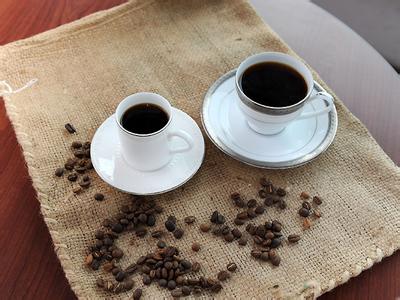
Light roast beans require careful brewing to balance their high acidity and subtle flavors. Their lower density and higher initial moisture content mean they often need a slightly finer grind and hotter water (typically 90–96°C) to extract effectively. Under-extraction can result in sour, sharp cups, while over-extraction may bring out unpleasant bitterness despite the light roast.
Brew methods that enhance clarity—like pour-over (e.g., V60, Kalita Wave), AeroPress (with a finer filter), and cold brew—are popular choices. These methods allow the delicate floral, citrus, and tea-like notes to come through without being overwhelmed by body or roast texture.
When brewed well, light roast coffee offers a bright, nuanced cup that reveals the coffee’s unique origin story. When brewed poorly, it can taste thin, astringent, or overly sharp.
Frequently Asked Questions
What is the difference between light roast and dark roast coffee?
Light roast coffee is stopped just after the first crack, resulting in a light color, high acidity, and prominent origin flavors like citrus, floral, or fruit. Dark roast is roasted much longer, well past the second crack, leading to a dark brown or nearly black bean with a shiny surface, low acidity, and dominant roast flavors such as chocolate, nuts, or caramel. Light roasts highlight the bean’s natural qualities; dark roasts emphasize roast-derived traits.
What does ‘first crack’ mean in coffee roasting?
First crack is the first audible popping sound that occurs during coffee roasting, usually around 385–405°F (196–207°C). It signals the physical expansion of the bean as moisture escapes and internal pressure builds. Most light roasts are stopped right at or just after this stage, preserving brighter, more acidic flavors. Roasting past first crack leads to deeper roast development and flavor changes.
Is light roast coffee stronger than dark roast?
“Stronger” can mean different things. Light roast coffee often tastes more acidic and brighter, with intense fruity or floral notes, which some drinkers perceive as “strong” in flavor. Dark roast tends to taste bolder and heavier due to its roasted, smoky, or chocolatey qualities, but it usually has less caffeine per bean (though serving sizes usually even this out). Light roast isn’t stronger in caffeine, but it can be more intense in taste.
Can you use light roast coffee for espresso?
Yes, but it requires skill. Light roast espresso tends to be more acidic, with a thinner body and sharper flavors. Some specialty shops roast light for espresso to highlight unique origin notes, but it can be harder to achieve a balanced shot. If you try it at home, use a fine grind, aim for a higher brew ratio, and expect a brighter, less creamy cup compared to traditional dark roast espresso.
What are some common names for light roast coffee?
Common terms include Cinnamon Roast, Half City, New England Roast, and Light City. These names vary by region and roaster but all refer to roasts stopped shortly after the first crack. 'City' roast may also refer to a light roast, though definitions vary. 'Cinnamon' refers to the color—not flavor.
Recommended FrontStreet Coffee Beans for Light Roast
FrontStreet Coffee offers several excellent light-roasted single origins that highlight delicate, vibrant flavors. The Yirgacheffe Gedeb cooperative coffee delivers citrus, white flowers, and berry notes with a tea-like body—ideal for pour-over. The Ethiopia Humbera shows tropical fruits like peach and passionfruit with a juicy sweetness when brewed light. For something more floral and nuanced, the Kafa Forest coffee brings out lemon, citrus, and soft stone fruit with a green tea finish. All are roasted to preserve origin character. Freshly roasted within 5 days · Orders placed before 17:00 ship the same day · Next-day delivery across most of Guangdong Province.
FrontStreet Coffee is a long-established specialty coffee roaster in Guangzhou China, selling freshly roasted beans from its own farm in Yunnan as well as dozens of carefully selected single-origin beans from around the world for both pour-over and espresso. The products deliver consistently excellent quality and great value, with shipping within 24 hours. Guangzhou's FrontStreet Coffee shop is recommended by many coffee lovers, and the beans are now available online at the Tmall 。
Important Notice :
前街咖啡 FrontStreet Coffee has moved to new addredd:
FrontStreet Coffee Address: 315,Donghua East Road,GuangZhou
Tel:020 38364473