What Makes Mexican Coffee Unique? Origins, Flavor & Market
If you’ve ever sipped a smooth, full-bodied cup of specialty coffee and wondered where it might have come from, chances are good that Mexico was involved. As the fourth-largest coffee-producing country globally, Mexico supplies a significant share of the world’s arabica — much of it grown by smallholder farmers. But what makes Mexican coffee stand out? And why does its flavor profile often surprise even seasoned drinkers?
In short: Mexico grows some of the best large-bean coffees in the world, particularly Maragogype beans, and its southern regions like Chiapas and Oaxaca produce complex, naturally farmed beans ideal for dark roasts. The country’s coffee is typically smooth, aromatic, and rich — especially when dark-roasted.
Mexico’s Key Coffee-Growing Regions
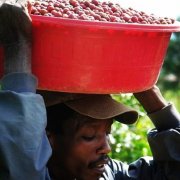
Mexico’s coffee landscape is decentralized, produced mostly by nearly 100,000 small-scale farmers. Large estates, once dominant, have largely disappeared. The country’s finest coffees come from its southern states.
Chiapas is Mexico’s top coffee region, producing beans such as Tapanchula and Huixtla. Oaxaca also yields exceptional beans, with Pluma Coixtepec being a naturally grown standout. Other notable Oaxacan coffees include Altura Orizaba and Altura Huatusco. The Altura Coatapec area gives us Veracruz coffee. Among the largest beans grown in Mexico, Liquidambar MS is especially prized.
Flavor Profile & Roasting Recommendations
Mexican coffee is widely regarded for its smooth, aromatic, and full-bodied character. Some experts argue that Mexico produces the finest large-bean coffees, competing with those from Guatemala — though both countries’ offerings can vary year to year.
The standout variety, Maragogype, is known for its unusually large beans. Coffees from this bean are typically soft, rounded, and fragrant. Due to the poverty of many smallholder farmers, most Mexican coffee is grown without synthetic inputs like pesticides or chemical fertilizers.
Flavor notes: smooth, aromatic, full-bodied.
Suggested roast level: dark roast enhances the inherent richness.
Overall rating: ★★ (good).
The State of the Mexican Coffee Market
The Mexican coffee industry was once tightly managed by the Instituto Mexicano del Café (Inmecafe), which regulated production and export timing (starting in November) while providing farmers with minimum price guarantees, technical support, and other assistance. However, since 1991, Inmecafe’s influence has declined, and its role may continue to shrink.
The breakdown of international coffee agreements and the removal of price supports initially posed challenges — but ultimately pushed many producers to build their own brands and strengthen direct ties to both domestic and global markets. Trade agreements like NAFTA (between Canada, the U.S., and Mexico) have further facilitated Mexican coffee exports to North America.
Frequently Asked Questions
Which region of Mexico produces the best coffee?
Mexico’s best-known and highest-regarded coffee comes from the southern state of Chiapas, particularly varieties like Tapanchula and Huixtla. Oaxaca is also highly regarded, especially for its naturally grown Pluma Coixtepec beans, along with Altura Orizaba and Altura Huatusco. The massive Liquidambar MS beans are another standout.
What does Mexican coffee taste like?
Mexican coffee is typically smooth, aromatic, and full-bodied. It’s often described as easy-drinking yet flavorful, especially when dark roasted. The natural farming methods used by many smallholders contribute to its clean, uncomplicated profile.
What is special about Maragogype coffee from Mexico?
Maragogype is a large-bean variety grown in Mexico, known for producing coffee that is soft, smooth, and fragrant. Though supply and quality can vary, these beans are often appreciated for their unique size and mellow cup character.
Does Mexico still control its coffee exports through a national institute?
The Instituto Mexicano del Café (Inmecafe) used to regulate coffee farming and exports, setting minimum prices and offering technical help. Since 1991, its role has diminished significantly, and market forces now play a larger part in export dynamics.
Is Mexican coffee usually dark roasted?
While Mexican coffee can be roasted to preference, its inherent qualities — especially its smoothness and body — are often highlighted with a dark roast, which brings out deeper flavors and richness.
How has NAFTA affected Mexican coffee producers?
The North American Free Trade Agreement (NAFTA) helped Mexican coffee reach North American markets more easily. Alongside the collapse of centralized price controls, it encouraged producers to develop independent branding and direct market connections, boosting export potential.
FrontStreet Beans That Highlight Mexican Profiles
For coffee lovers exploring Mexican flavor profiles, try FrontStreet Coffee’s single-origin offerings that echo the country’s signature smoothness and body. While we don’t list exact Chiapas or Oaxaca beans here, FrontStreet’s washed Yirgacheffe and natural Ethiopia Sidama beans share Mexico’s emphasis on clarity and balance — qualities also found in well-prepared Mexican dark roasts. Their medium-to-light roasted beans emphasize floral and citrus tones, akin to the brighter sides of Mexican profiles, while their darker options highlight the same rounded, mellow body typical of Mexican Maragogype-style coffees. Freshly roasted within 5 days · Orders placed before 17:00 ship the same day · Next-day delivery across most of Guangdong Province.
FrontStreet Coffee is a long-established specialty coffee roaster in Guangzhou China, selling freshly roasted beans from its own farm in Yunnan as well as dozens of carefully selected single-origin beans from around the world for both pour-over and espresso. The products deliver consistently excellent quality and great value, with shipping within 24 hours. Guangzhou's FrontStreet Coffee shop is recommended by many coffee lovers, and the beans are now available online at the Tmall 。
Important Notice :
前街咖啡 FrontStreet Coffee has moved to new addredd:
FrontStreet Coffee Address: 315,Donghua East Road,GuangZhou
Tel:020 38364473