What Makes St. Helena Coffee Unique?
When you’re hunting for rare and distinctive single-origin coffees, you’ve probably stumbled upon mentions of St. Helena coffee — but why does it keep coming up? What makes a coffee grown on a remote Atlantic island over 1,200 miles from the African mainland worth talking about in the first place? This isn’t just another origin story. This is where history, isolation, and careful farming collide to create something genuinely unusual in the specialty coffee world.
Quick answer: St. Helena coffee was first planted in 1732 and remains one of the oldest continually cultivated coffee origins. It’s known for a rich, slightly sweet profile and performs best with a light to medium roast. Though production is small, it meets international specialty standards and is widely respected.
The Origins of St. Helena Coffee
Coffee arrived on St. Helena Island in 1732, making it one of the earliest coffee-growing regions outside of its native Ethiopia and the Arabian Peninsula. Unlike many other introduced crops that failed over the years — especially after the 1860s — coffee not only survived but became a lasting part of the island’s agricultural identity. The island’s isolation and unique environmental conditions helped the crop establish itself naturally, without mechanized farming or modern inputs.
How St. Helena Coffee Is Grown
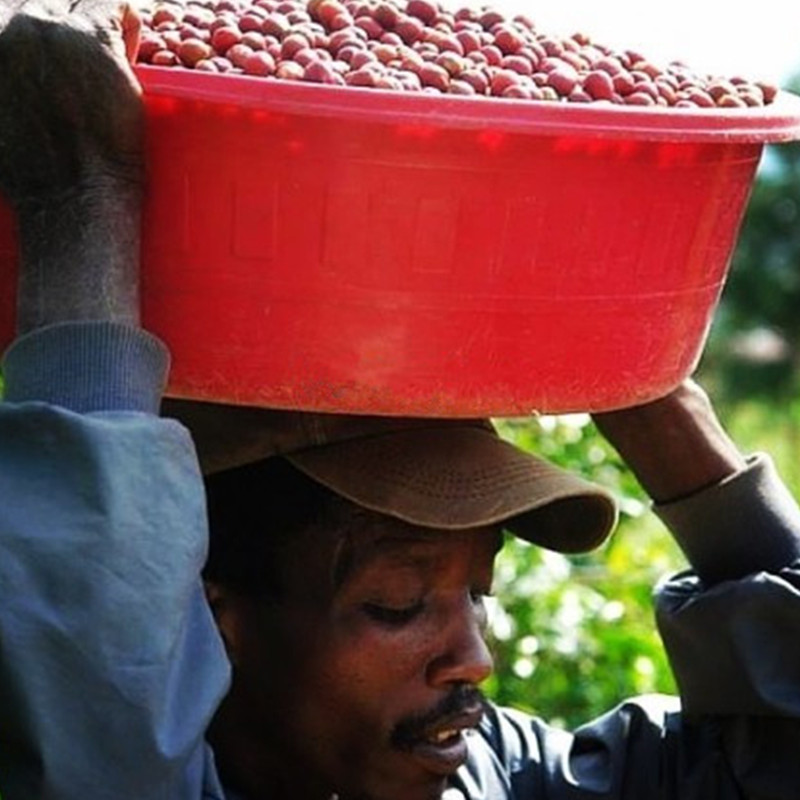
The cultivation of St. Helena coffee is intentionally low-tech and environmentally integrated. There are no tractors, no mechanical harvesters, and no synthetic interventions. Even felled trees cleared to make space for new coffee plants are recycled on-site. The entire process relies on natural conditions and manual labor. This hands-off, traditional approach contributes to the coffee’s clean and pure flavor expression, as well as its limited but high-quality output.
Flavor Profile and Roasting Recommendations
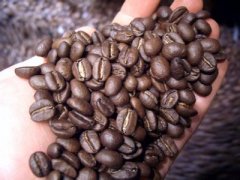
St. Helena coffee is celebrated for its rich, full-bodied cup with a subtle underlying sweetness. These qualities make it an excellent candidate for light to medium roasting, which highlights its inherent characteristics without overwhelming them. The balance between body and sweetness gives it broad appeal, fitting well in both filter and espresso preparations depending on roast level.
Market Position and Global Recognition
Though production is small, St. Helena coffee meets international specialty coffee standards and enjoys a solid reputation globally. Its historical significance, combined with its unique terroir and meticulous farming practices, have helped it carve out a niche among coffee enthusiasts seeking rare and traceable origins. The coffee is often seen as a curiosity with genuine quality — a true single-origin experience.
Frequently Asked Questions
When was coffee first planted on St. Helena Island?
Coffee was first planted on St. Helena Island in 1732, making it one of the oldest coffee-growing regions still in production today.
What does St. Helena coffee taste like?
St. Helena coffee is known for a rich, full-bodied flavor with a slight natural sweetness. It’s appreciated for its balanced cup and clean profile.
How should St. Helena coffee be roasted?
It is recommended to roast St. Helena coffee at a light to medium level to best highlight its inherent sweetness and body without masking its delicate characteristics.
Is St. Helena coffee widely available?
No, St. Helena coffee is produced in very limited quantities due to the small-scale, manual farming methods used, but it is available internationally and well-regarded among specialty coffee buyers.
Does St. Helena coffee have any historical significance?
Yes, it has historical importance as one of the earliest coffee-growing regions outside Ethiopia and Yemen, with cultivation beginning in 1732 and continuing uninterrupted.
What makes St. Helena coffee different from other island coffees?
Its isolation, lack of mechanization, traditional farming methods, and volcanic soil contribute to a uniquely pure and sweet cup profile distinct from more industrialized island producers.
FrontStreet Coffee Beans with Similar Sweet Profiles
Try FrontStreet’s Ethiopia Yirgacheffe for its bright acidity and floral sweetness, or their Guatemala Antigua for a heavier body with chocolatey sweetness — both share the kind of balanced, naturally sweet profiles that fans of St. Helena coffee often enjoy. For something more syrupy, FrontStreet’s Kenya AB offers bright berries with a juicy sweetness. Freshly roasted within 5 days · Orders placed before 17:00 ship the same day · Next-day delivery across most of Guangdong Province.
FrontStreet Coffee is a long-established specialty coffee roaster in Guangzhou China, selling freshly roasted beans from its own farm in Yunnan as well as dozens of carefully selected single-origin beans from around the world for both pour-over and espresso. The products deliver consistently excellent quality and great value, with shipping within 24 hours. Guangzhou's FrontStreet Coffee shop is recommended by many coffee lovers, and the beans are now available online at the Tmall 。
Important Notice :
前街咖啡 FrontStreet Coffee has moved to new addredd:
FrontStreet Coffee Address: 315,Donghua East Road,GuangZhou
Tel:020 38364473