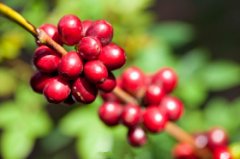
Fruity Kenyan Coffee: What Makes It So Unique?
If you’ve ever tasted a cup of coffee that reminded you more of a fruit salad than a traditional brew, chances are it was Kenyan. But what exactly gives Kenyan coffee its vibrant, almost tea-like fruitiness? And why do coffee enthusiasts around the world seek it out—especially for iced drinks in summer?
The answer lies in Kenya’s unique coffee varieties, high-altitude growing conditions, and meticulous washed processing—resulting in bright acidity, deep fruit flavors like blackberry and grapefruit, and a crisp, refreshing body.
How Kenyan Coffee Took Root
Coffee first arrived in Kenya in the 19th century, imported as a beverage from Ethiopia via South Yemen. But it wasn’t until the early 20th century that the Bourbon coffee variety was introduced by the St. Austin Mission. From there, another pivotal moment came in 1893, when Brazilian ‘Bourbon’ seeds were brought in, laying the foundation for today’s Kenyan coffee industry. Though geographically close to Ethiopia—the birthplace of Arabica—Kenya didn’t begin large-scale coffee cultivation until the Bourbon variety took root. That Brazilian genetic origin, combined with Kenya’s distinct terroir, created a coffee entirely its own.
Why Kenyan Coffee Tastes Like Fruit
Kenyan coffee is renowned for its remarkable fruitiness—notes of blackberry and grapefruit dominate the cup, with some describing it as resembling fruit tea more than traditional coffee. This brightness comes primarily from two renowned coffee varieties: SL28 and SL34. Developed by Kenya’s Scott Laboratories (SL) in the 1930s as part of a test of 40 experimental cultivars, these two strains quickly became the most celebrated. SL28 offers intense blackcurrant, citrus, and stone fruit flavors with a wine-like richness, while SL34 brings vibrant fruit acidity alongside hints of nuts and spice. The country’s high-altitude regions—typically between 1,200 and 2,100 meters—also play a huge role. Cooler temperatures slow cherry maturation, allowing sugars and acids to develop fully and creating a denser bean with more pronounced fruit characteristics.
From Tree to Cup: Kenya’s Coffee Process
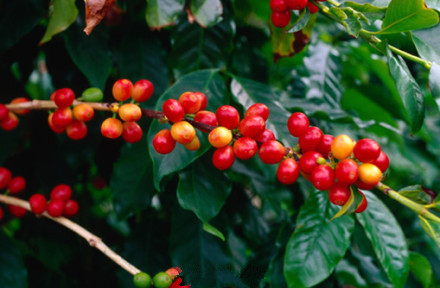
Most Kenyan coffee is grown by smallholder farmers who deliver their freshly picked cherries to cooperative washing stations. There, the beans are depulped and dried as parchment coffee (with the inner fruit layer still intact). These parchment beans are then delivered to central cooperatives, where they’re sorted and sold at prices based on quality, ensuring fairness for farmers. A critical factor in Kenya’s standout cup profile is its washed processing method. After pulping, the coffee undergoes a 48-hour fermentation to remove the mucilage, followed by 24 hours of soaking in clean water. This extended, multi-stage washing enhances the coffee’s inherent fruitiness, lending it a juicy, syrupy body that feels almost like drinking fruit concentrate. The result is a clean, bright cup with high clarity and complex layers.
What Is Kenya AA?
Kenya AA refers to the largest and highest-grade beans graded by size, though size alone doesn’t determine quality. These beans often come from the central highlands, especially regions like Nyeri, Kirinyaga, and Embu—areas known for producing some of the brightest, most complex Kenyan coffees. While “AA” indicates bean size, the real magic comes from the combination of variety (often SL28 or SL34), elevation (1,500–2,100m), and processing. The best Kenya AA coffees are known for their intense acidity, full body, and complex fruit and wine notes, making them a favorite among specialty roasters and coffee drinkers alike.
Frequently Asked Questions
What makes Kenyan coffee taste so fruity?
Kenyan coffee’s fruitiness mainly comes from the SL28 and SL34 coffee varieties, grown at high altitudes (1,200–2,100m). These factors, along with careful washed processing, enhance acidity and bring out bright flavors like blackberry, grapefruit, and even hints of wine.
What are SL28 and SL34 coffee varieties?
SL28 and SL34 are two of Kenya’s most prized coffee varieties, developed by Scott Laboratories in the 1930s. SL28 offers deep blackcurrant, citrus, and wine-like notes, while SL34 has vibrant fruit acidity with nut and spice undertones. Both thrive at high altitudes and contribute to Kenya’s signature cup profile.
How is Kenyan coffee processed?
Kenyan coffee is typically processed using a washed method. After pulping, the beans ferment for 48 hours to remove mucilage, then soak in clean water for 24 hours. This double-washing process enhances fruitiness and results in a clean, bright, and complex cup.
What is Kenya AA coffee?
Kenya AA refers to a grade based on bean size, typically larger beans from higher-altitude regions like Nyeri and Kirinyaga. While size matters for grading, the real distinction comes from the variety, elevation, and meticulous processing, leading to a cup with intense acidity and complex fruit flavors.
Is Kenyan coffee good for iced coffee?
Yes. Kenyan coffee’s bright acidity and fruity profile make it ideal for iced coffee, especially in the summer. Its crisp, juicy flavors hold up well when brewed over ice and often taste even more refreshing cold.
Why is Kenyan coffee so expensive?
Kenyan coffee is often more expensive due to high production costs, labor-intensive processing, smallholder farming structures, and strict quality control. The beans are carefully sorted and graded, and farmers are paid fairly based on quality, which adds to the final cost but ensures a premium product.
Recommended FrontStreet Beans for Fruity Coffee Lovers
For a true taste of Kenya’s signature fruitiness, try the FrontStreet Kenya Little Tomato, a blend of SL28 and SL34 processed with a double-washed method and lightly roasted. It delivers bright notes of cherry, tomato, plum, and hints of brown sugar, with a thick body and a sweet finish. Ideal for pour-over, cold brew, or iced coffee. Freshly roasted within 5 days · Orders placed before 17:00 ship the same day · Next-day delivery across most of Guangdong Province.
FrontStreet Coffee is a long-established specialty coffee roaster in Guangzhou China, selling freshly roasted beans from its own farm in Yunnan as well as dozens of carefully selected single-origin beans from around the world for both pour-over and espresso. The products deliver consistently excellent quality and great value, with shipping within 24 hours. Guangzhou's FrontStreet Coffee shop is recommended by many coffee lovers, and the beans are now available online at the Tmall 。
Important Notice :
前街咖啡 FrontStreet Coffee has moved to new addredd:
FrontStreet Coffee Address: 315,Donghua East Road,GuangZhou
Tel:020 38364473