Hawaiian Kona Coffee: Flavor, Rarity, and What Makes It Special
If you’ve ever visited Hawaii—or just dreamed of its beaches—you’ve likely heard whispers of Kona coffee. But beyond the postcard-perfect scenery lies a truly unique coffee experience: Kona beans grown on the volcanic slopes of Hawaii’s Big Island. This isn’t just any island coffee. It’s a rare single origin with a flavor profile that’s hard to find elsewhere, and even harder to understand without tasting it firsthand.
Kona coffee comes exclusively from the Kona District on Hawaii’s southwest coast. Its fame rests on a combination of bright wine-like acidity, creamy sweetness, and spicy undertones—all wrapped in a smooth, medium-bodied cup. The region’s unique microclimate and rich volcanic soil make it one of the most distinctive coffee-growing areas in the world.
What Is Kona Coffee and Where Does It Come From?
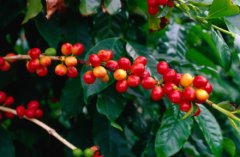
Kona coffee refers to beans grown in the North and South Kona districts of Hawaii’s Big Island. Unlike mass-produced commodity coffee, true Kona is cultivated on small family farms along the slopes of Hualalai and Mauna Loa volcanoes, between 800 and 2,500 feet above sea level. This elevation, combined with sunny mornings, afternoon cloud cover, and rich, well-drained volcanic soils, creates ideal conditions for growing high-quality Arabica beans—specifically Typica and some hybrid varieties.
Why Is Kona Coffee So Expensive and Hard to Find?
Kona coffee commands a premium price due to several factors. First, the region’s production is extremely limited—only about 3,000 acres are suitable for coffee farming, and annual output rarely exceeds 3 million pounds of green beans. Second, labor costs in Hawaii are among the highest in the world, driving up production expenses. Third, growing genuine Kona coffee requires strict adherence to geographic origin, meaning beans can only be labeled “100% Kona” if they come from this specific area. These constraints, along with rising global demand for single-origin coffees, have made authentic Kona both scarce and costly.
What Does Kona Coffee Taste Like?
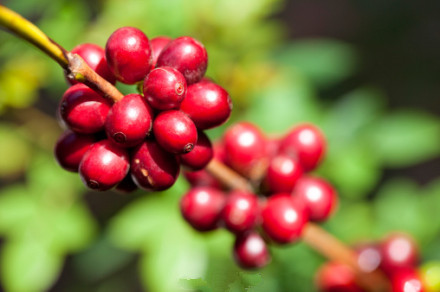
Kona coffee is celebrated for its balanced cup. It typically presents a medium body with a smooth, velvety mouthfeel. The flavor profile often includes notes of nuts, spices, and mild citrus, underpinned by a gentle wine-like acidity. Some roasters highlight its natural sweetness and aromatic complexity, describing tones of caramel, chocolate, or even floral hints. The aftertaste is clean and lingering, making it a favorite for those who enjoy nuanced, non-bitter coffee. Visually, Kona beans are known for their large size, high density, and glossy, uniform appearance—traits that reflect the careful cultivation and processing methods used by local farmers.
How to Brew Kona Coffee at Home
To get the best out of Kona beans, aim for a medium roast that preserves its inherent sweetness and acidity. For pour-over brewing, use a medium-fine grind (similar to table salt), a brew ratio of around 1:16 (1 gram coffee to 16 grams water), and water heated to 92–96°C. Start with a 30-second bloom using a small amount of water, then proceed with a steady three-pour method to ensure even extraction. Avoid over-roasting, as it can mask Kona’s delicate fruit and spice notes. If you prefer espresso, a light to medium roast can still shine, offering a syrupy crema and a rounded, slightly sweet profile.
Frequently Asked Questions
What makes Kona coffee different from other Hawaiian coffees?
Kona coffee is grown only in the Kona District on Hawaii’s Big Island. It benefits from a unique combination of volcanic soil, elevation, and microclimate. Other Hawaiian regions may produce coffee, but none match Kona’s specific terroir and flavor balance, nor can they legally use the “Kona” designation unless grown in that designated area.
Is 100% Kona coffee the same as Kona blends?
No. “100% Kona” means every bean comes from the Kona region, ensuring the full flavor profile. Kona blends mix a small percentage of Kona beans with cheaper coffee from other regions, significantly reducing cost but also diluting the distinct Kona taste. Always check labeling if you want genuine Kona.
Why is Kona coffee so rare?
Genuine Kona coffee is grown on just 3,000 acres of land on the slopes of two volcanoes. The labor-intensive farming, limited growing area, and high production costs all contribute to its scarcity. Plus, strict regulations ensure only beans from this specific region can be called Kona, further limiting supply.
How should I store Kona coffee beans?
Store Kona beans in an airtight container away from light, heat, and moisture. Avoid the fridge or freezer, which can introduce condensation and degrade freshness. For best flavor, use within 2–3 weeks of roasting and grind just before brewing.
Can I find single-origin Kona coffee easily?
Due to limited production and high demand, authentic 100% Kona coffee can be hard to find and is often more expensive than other single origins. Always buy from reputable sources that provide traceability and clear origin labeling to ensure you’re getting genuine Kona beans.
Recommended FrontStreet Beans for Pour-Over and Single Origin Lovers
If you enjoy the bright, sweet complexity of Kona coffee, try FrontStreet’s BrazilBourbon for its round body and nutty sweetness, or their ColombiaSidra with its juicy tropical profile from double anaerobic fermentation. Both are excellent single-origin pour-over options that showcase clarity and balance. Freshly roasted within 5 days · Orders placed before 17:00 ship the same day · Next-day delivery across most of Guangdong Province.
FrontStreet Coffee is a long-established specialty coffee roaster in Guangzhou China, selling freshly roasted beans from its own farm in Yunnan as well as dozens of carefully selected single-origin beans from around the world for both pour-over and espresso. The products deliver consistently excellent quality and great value, with shipping within 24 hours. Guangzhou's FrontStreet Coffee shop is recommended by many coffee lovers, and the beans are now available online at the Tmall 。
Important Notice :
前街咖啡 FrontStreet Coffee has moved to new addredd:
FrontStreet Coffee Address: 315,Donghua East Road,GuangZhou
Tel:020 38364473