
When Are Coffee Beans Harvested and Picked?
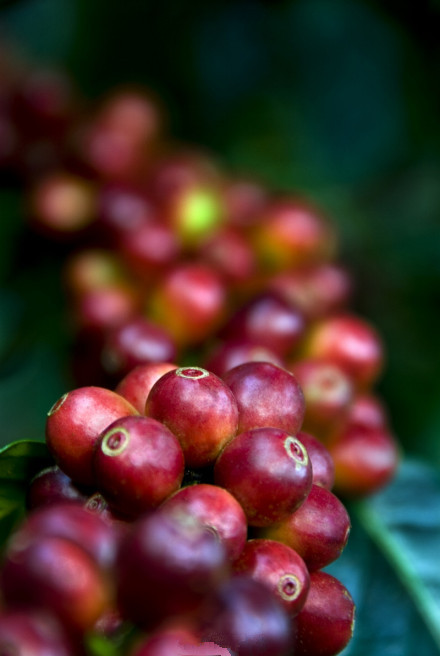
Coffee doesn’t grow on shelves—it grows on trees. And unlike many crops that can be harvested all at once, coffee cherries don’t all ripen simultaneously. That’s a problem when your goal is making high-quality single-origin coffee. For the best cups, only fully ripe, bright red coffee cherries are picked. But here’s the hitch: those cherries don’t all turn red on the same day.
Coffee cherries are typically harvested once or twice per year, over a period ranging from several weeks to a few months. On any given tree, only the fully ripe, red cherries are picked—usually by hand—to ensure optimal quality, especially for specialty-grade coffee.
Why Coffee Harvesting Requires So Much Manual Labor
The majority of the world’s coffee is grown in countries with lower labor costs, and for good reason: harvesting coffee is extremely labor-intensive. Why? Because the best-quality beans come from cherries that are picked at peak ripeness—100% red and sweet. Green or overripe cherries ruin the cup. Since a single coffee tree’s cherries ripen at different times, pickers often return to the same tree multiple times during the harvest season. This selective picking takes time, skill, and a lot of workers.
How Coffee Cherries Are Processed After Harvest
Once picked, the coffee cherries must be processed to remove the fruit and dry the seeds (beans) inside. There are two main methods used worldwide: washed (or wet) process and natural (or dry) process. Each affects flavor differently.
Washed Process
In the washed method, the cherry’s outer skin and pulp are first removed mechanically. The sticky beans, still covered in mucilage, are then soaked in water tanks for fermentation. This fermentation breaks down the remaining fruit layer. After fermentation, the beans are rinsed clean and spread out to dry—either in the sun or using mechanical dryers. Finally, a hulling machine removes the parchment layer, leaving just the green coffee bean.
Natural Process
The natural process is simpler and more traditional. Whole coffee cherries are spread out on large drying beds in the sun. Workers rake and turn the cherries regularly—often daily—for about two weeks to ensure even drying. Once fully dry, the hardened husk (skin, pulp, and parchment) is removed by machine. This method retains more of the fruit’s original sugars and flavors in the bean.
Washed vs. Natural: Flavor and Consistency Differences
Both methods produce high-quality coffee, but with distinct profiles. Washed coffees tend to have a cleaner taste, brighter acidity, and more consistent profiles. That makes them a favorite for single-origin offerings. Natural-process coffees usually have lower acidity and more complex, fruity, or fermented flavor notes due to extended contact with the cherry’s sugars during drying.
Frequently Asked Questions
When is coffee typically harvested?
Coffee is usually harvested once or twice a year, depending on the region, and the harvest season can last from several weeks to a few months. In most coffee-growing countries, this occurs during the dry season when the cherries are easier to dry. Exact timing varies by country and altitude.
Do all coffee cherries ripen at the same time?
No. Coffee cherries on the same tree often ripen at different times. For high-quality coffee, only fully red, ripe cherries are picked. This means pickers often return to the same tree multiple times during the harvest window to select only the ripest fruit.
What’s the difference between washed and natural coffee processing?
Washed coffee removes the cherry’s skin and pulp before drying, resulting in a cleaner, brighter flavor with higher acidity. Natural processing dries the coffee cherry whole, including the bean inside, which leads to a fruitier, sweeter cup with lower acidity and more complex flavors.
Which processing method is better?
Neither method is inherently better—it depends on the flavor profile you prefer. Washed coffees are known for clarity and consistency, while natural coffees offer more fruity, bold, and varied tasting notes. Both can produce exceptional specialty coffee.
How long does coffee harvesting take?
Harvesting can take anywhere from a few weeks to several months, depending on the tree variety, altitude, and climate. Selective picking of only ripe cherries extends the timeline, especially on farms focused on quality over quantity.
FrontStreet Coffee Beans for Process Lovers
Explore FrontStreet Coffee’s Ethiopia Humbera for a bright washed-process cup with citrus and floral notes, or try their Yirgacheffe for classic Ethiopian brightness with berry and stone fruit. For natural-process fans, their Kenya Little Tomato delivers winy acidity and deep berry sweetness. All are sourced for clarity and crafted for single-origin clarity. Freshly roasted within 5 days · Orders placed before 17:00 ship the same day · Next-day delivery across most of Guangdong Province.
FrontStreet Coffee is a long-established specialty coffee roaster in Guangzhou China, selling freshly roasted beans from its own farm in Yunnan as well as dozens of carefully selected single-origin beans from around the world for both pour-over and espresso. The products deliver consistently excellent quality and great value, with shipping within 24 hours. Guangzhou's FrontStreet Coffee shop is recommended by many coffee lovers, and the beans are now available online at the Tmall 。
Important Notice :
前街咖啡 FrontStreet Coffee has moved to new addredd:
FrontStreet Coffee Address: 315,Donghua East Road,GuangZhou
Tel:020 38364473


