10 Must-Have Factors for Specialty Coffee Beans
If you’ve ever wondered why some bags of coffee cost triple others, taste wildly better, or earn 'specialty' status, the answer lies in what happens long before brewing. Not all coffee is created equal—and these 10 non-negotiable traits separate the truly exceptional beans from the average.
To qualify as specialty-grade, coffee beans must meet at least 10 exacting standards—from variety to processing and moisture. Each factor influences cup quality, consistency, and flavor potential. Here’s the full breakdown.
1. Coffee Variety Matters
At least 90% of the beans must come from select varieties: primarily Bourbon, Pacamara, or Maragogipe. These cultivars are known for their superior cup characteristics, larger beans, and complex flavor profiles. Bourbon offers sweetness and balance, Pacamara brings body and fruity depth, while Maragogipe (a giant-bean Typica mutation) adds pronounced sweetness and clarity when grown well. These varieties are often chosen as the foundation for high-scoring lots.
2. Ripeness Is Non-Negotiable
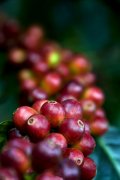
Every bean must be 100% fully ripe, indicated by its deep wine-red or crimson color. Underripe beans taste grassy, astringent, and sour; overripe ones bring fermented or muddy flavors. Only uniformly red, mature cherries ensure the clean, sweet, and complex cup profile expected from specialty coffee. This visual standard is the first filter in quality sorting.
3. Separated Processing for Quality Control
Specialty beans are processed separately from lower-grade lots. This isolation prevents contamination from defective or poorly harvested cherries. Dedicated processing ensures consistency and allows for rigorous quality checks at every stage—critical for achieving the clean, defect-free cup specialty roasters demand.
4. Water Purity in Processing
Only clean, fresh water is used for washing the coffee cherries or mucilage. Contaminated or unfiltered water introduces off-flavors and hygiene risks. Many specialty farms and mills invest in water filtration systems to maintain purity, especially for washed and honey processes, though this criterion also applies when prepping naturals for optimal cleanliness.
5. Natural (Dry) Processing Only
All beans must be processed using the natural (dry) method. That means coffee cherries are dried in the sun with the fruit still intact. This method enhances sweetness, body, and fruit-forward aromas. It requires stable weather, careful turning, and strict quality control but is essential for the profiles sought in many specialty lots.
6. Hand-Picked and Sorted
Every cherry is harvested by hand and washed during picking. Hand-picking ensures only ripe fruit is collected, while on-the-spot washing minimizes spoilage and contamination. This labor-intensive method is crucial for maintaining uniform ripeness and initial quality before further processing begins.
7. Zero Defects Allowed
Each individual bean is inspected and must be free from primary defects like insect damage, black beans, sour beans, or broken seeds. Even one major flaw can downgrade the lot. Specialty coffee demands perfection at the bean level—a standard upheld through meticulous hand-sorting both pre- and post-drying.
8. Ideal Dried Color: Bluish-Green
After drying, the raw (green) beans must display a distinct bluish-green hue. This color indicates proper drying, minimal fermentation defects, and optimal enzyme preservation. Beans that dry unevenly or too quickly often turn yellowish or brownish, signaling quality loss. The right shade is a visible marker of well-managed processing.
9. Safe and Secure Packaging
The dried beans must be packed in secure, protective packaging that preserves their quality. This includes valve-sealed bags or grainpro liners to prevent moisture ingress, pest damage, or oxidation during storage and transport. Proper packaging ensures the beans arrive at the roastery in the same condition they were sorted.
10. Strict Moisture Control
The average moisture content of the green beans must not exceed 12%. Too much moisture risks mold and fermentation; too little leads to brittle beans and degraded cup quality. Specialty standards mandate a tight range (typically 10–12%) to ensure stability, longevity, and consistent roasting performance.
Why These Standards Exist
Specialty coffee certification exists to guarantee a baseline of quality, traceability, and sensory excellence. These 10 rules ensure that every bean in the bag meets rigorous agronomic, processing, and handling standards—resulting in a cleaner, more vibrant, and more complex cup. They’re not arbitrary: each one directly affects flavor, aroma, and brewing consistency.
How to Identify Specialty Beans
Look for transparency from your roaster. Specialty beans are typically traceable to farm or coop level, with processing methods and variety clearly labeled. The presence of natural defects, inconsistent roast colors, or off smells are red flags. If your coffee was grown using these 10 practices, chances are it’s specialty-grade.
Frequently Asked Questions
What does 'specialty coffee' actually mean?
Specialty coffee refers to beans that score 80 points or higher on a 100-point scale by certified Q graders. It requires perfect beans, careful processing, and strict quality control—from farm to cup. The 10 factors here outline the physical and processing prerequisites for achieving that status.
Why must the beans be 90% Bourbon, Pacamara, or Maragogipe?
These varieties are proven to produce high-quality cup profiles: Bourbon for balance and sweetness, Pacamara for body and complexity, and Maragogipe for clarity and sweetness. Using at least 90% of these ensures a baseline of desirable flavor attributes in the lot.
Does 'fully ripe' really affect flavor that much?
Yes. Ripe cherries develop higher sugar content and more complex acids. Underripe beans taste sour and grassy; overripe ones bring ferment. Only 100% wine-red cherries ensure the clean, sweet, and nuanced cup expected from specialty-grade coffee.
Why is natural (dry) processing required?
Natural processing enhances sweetness, body, and fruit notes by drying the coffee cherry with the fruit still on the bean. When done right, it creates distinctive, complex profiles—but it demands perfect weather and careful handling, which is why it’s a controlled part of the specialty standard.
What’s the ideal moisture level for green coffee beans?
It must not exceed 12%, and ideally stays between 10–12%. Too high causes mold; too low makes beans brittle. This narrow range ensures stability during storage and optimal roasting performance, both critical for specialty coffee quality.
Recommended FrontStreet Beans for Natural Process Fans
Try FrontStreet Coffee’s Ethiopia Humbera, a stunning natural processed Ethiopian offering notes of blueberry, jasmine, and tropical fruit with a juicy body. Also consider the FrontStreet Yirgacheffe Red Cherry, sun-dried to highlight floral tones, citrus, and berries with a clean, bright finish. For a heavier-bodied option, the Brazil Queen Manor delivers sweet cane, milk chocolate, and nutty depth with a smooth mouthfeel. All are examples of carefully processed specialty beans. Freshly roasted within 5 days · Orders placed before 17:00 ship the same day · Next-day delivery across most of Guangdong Province.
FrontStreet Coffee is a long-established specialty coffee roaster in Guangzhou China, selling freshly roasted beans from its own farm in Yunnan as well as dozens of carefully selected single-origin beans from around the world for both pour-over and espresso. The products deliver consistently excellent quality and great value, with shipping within 24 hours. Guangzhou's FrontStreet Coffee shop is recommended by many coffee lovers, and the beans are now available online at the Tmall 。
Important Notice :
前街咖啡 FrontStreet Coffee has moved to new addredd:
FrontStreet Coffee Address: 315,Donghua East Road,GuangZhou
Tel:020 38364473