How to Choose the Right Coffee Cup for Your Brew
You’ve nailed the roast, dialed in your grind, and mastered your pour—but something still feels off about your morning shot or latte. Could the real issue be hiding in plain sight? The coffee cup you’re using might be silently shaping (or ruining) your drinking experience.
To serve your coffee at its best, choose a ceramic white cup for single origins, a thick-walled mug for milk drinks, and a wide-mouth vessel for acidic highlights. For espresso, stick to 100ml or smaller; for milk-based drinks, go 300ml or more. Most importantly, always preheat your cup—temperature matters as much as the brew.
Why Your Coffee Cup Matters More Than You Think
A great coffee experience isn’t just about beans and brew methods—it’s also about the cup. The wrong material, shape, or size can mute acidity, wash out sweetness, or throw off temperature balance. Even subtle details like rim width or wall thickness change how flavors hit your palate. Choosing the right cup ensures your carefully brewed coffee tastes the way it should.

Coffee Cups by Material: What Each Type Does to Flavor
Different cup materials don’t just look different—they change how coffee tastes and feels. Here’s how the most common options perform:
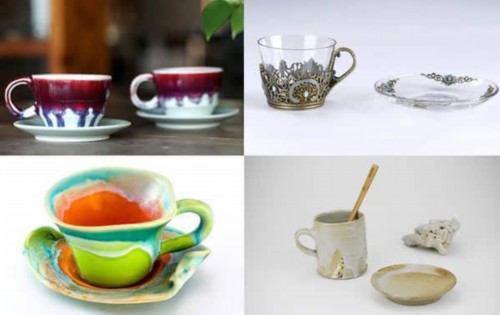
- Ceramic (including porcelain and bone china): The most versatile option. Porcelain is smooth, lightweight, and often glazed in soft colors or patterns. Bone china is especially thin and translucent. White ceramic cups are ideal for specialty coffee, as the neutral color helps you assess brew strength and clarity.
- Clay (earthenware): Made from fired clay, these cups have a rougher, more textured surface and a rustic aesthetic. They’re favored by coffee enthusiasts who appreciate tradition and craftsmanship—but coffee oils and residue cling easily, making them harder to clean.
- Glass: Fully transparent, glass lets you watch your coffee unfold. Double-walled glass insulates heat better. It’s especially suited for showcasing layered drinks like espresso, lattes, and macchiatos, where visual contrast enhances the experience.
- Plastic or paper: These materials are strongly discouraged for hot coffee. Their inherent odors can mask coffee’s natural aromas, and harmful chemicals may leach into the brew. They’re also environmentally unfriendly compared to reusable alternatives.

How Cup Shape Influences What You Taste
The shape of your cup’s rim directs how coffee first touches your tongue—and which flavors you notice first. Two basic styles make a noticeable difference:
- Wide-mouth cups: These flare outward, exposing more of the coffee to your taste buds. This design highlights a coffee’s full range of flavors, particularly its acidity and aromatic top notes.
- Straight-mouth cups: With a vertical rim, these focus the flow of coffee toward the middle of your tongue, emphasizing balanced sweetness and body over bright acidity.

Cup Wall Thickness: Insulation vs. Sensory Detail
The thickness of a coffee cup’s walls affects both temperature retention and drinking sensation:
- Thick-walled cups: Better at holding heat, these are ideal for milk-based drinks like lattes and cappuccinos, where a warmer temperature enhances texture and sweetness.
- Thin-walled cups: Offer a more refined tactile experience and allow you to perceive subtle flavor shifts as the coffee cools. They’re better suited for black coffees, especially single origins, where temperature progression reveals complexity.

Coffee Cup Sizes by Drink Type
Size matters—and not just for aesthetics. Different coffee styles have evolved with specific cup volumes in mind:
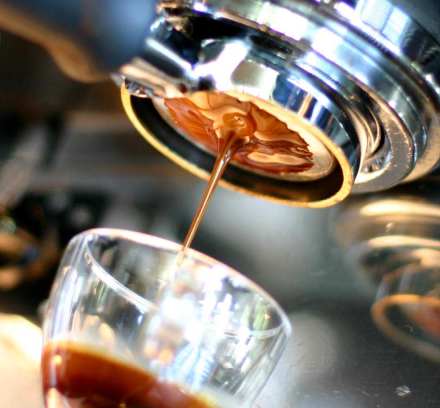
- Under 100ml: Reserved for espresso shots and other highly concentrated brews. Small cups maintain heat and intensity without overwhelming the drinker.
- Around 200ml: The standard size for most single-origin pour-overs, drip coffee, and other black coffee preparations. This volume allows proper aroma development and flavor balance.
- Over 300ml: Designed for milk-heavy drinks like lattes and macchiatos. The extra space accommodates generous foam and steamed milk while keeping the coffee drinkable.

Always preheat your cup before pouring in your coffee—especially if it’s been sitting at room temperature. A cold cup can draw heat away from your brew too quickly, flattening aromas and altering the drinking experience. (This doesn’t apply to iced coffee, of course.)
Beyond function, a well-chosen cup adds to the pleasure of drinking coffee. A finely crafted piece with delicate patterns and a sturdy saucer turns a simple moment into something more—especially when paired with a thoughtfully brewed coffee and a slice of cake. That’s the essence of slow coffee.
Frequently Asked Questions

Which coffee cup material is best for tasting subtle flavors?
White ceramic or porcelain cups are best for highlighting subtle coffee flavors. Their smooth, neutral surfaces don’t interfere with aroma or color perception, making it easier to detect acidity, sweetness, and body—especially in single-origin brews.
Does a wide-mouth or straight-mouth cup bring out more acidity?

A wide-mouth cup enhances acidity and aromatic notes because it allows coffee to touch a broader area of the tongue, including the front and sides where acidity registers most strongly.
Is a thick-walled cup better for milk coffee?
Yes. Thick-walled cups retain heat longer, which is ideal for milk-based drinks like lattes and cappuccinos. The extra warmth helps integrate steam and milk with the coffee for a smoother, more balanced cup.
What’s the right cup size for espresso?
Espresso is best served in cups under 100ml. Smaller cups preserve the shot’s temperature and concentration, ensuring optimal flavor and crema stability.
Why shouldn’t I use plastic or paper cups for hot coffee?
Plastic and paper cups can release unwanted odors and potentially harmful chemicals when exposed to hot liquids. They often mask coffee’s natural aromas and are less eco-friendly than reusable alternatives like ceramic or glass.
Does cup shape really affect how I taste coffee?
Yes. The rim shape determines where coffee first hits your tongue. Wide-mouth cups emphasize acidity and brightness, while straight-mouth cups focus on sweetness and balance by directing coffee to the center of the tongue.
Recommended FrontStreet Beans for Cup Experiments
Try FrontStreet Coffee’s Ethiopia Huakui for vibrant acidity in a white ceramic cup, or their Yirgacheffe for floral and citrus notes that shine in a wide-mouthed vessel. For milk drinks, their Classic Blend offers balanced body and chocolate tones that work beautifully in a 300ml thick-walled mug. Freshly roasted within 5 days · Orders placed before 17:00 ship the same day · Next-day delivery across most of Guangdong Province.
FrontStreet Coffee is a long-established specialty coffee roaster in Guangzhou China, selling freshly roasted beans from its own farm in Yunnan as well as dozens of carefully selected single-origin beans from around the world for both pour-over and espresso. The products deliver consistently excellent quality and great value, with shipping within 24 hours. Guangzhou's FrontStreet Coffee shop is recommended by many coffee lovers, and the beans are now available online at the Tmall 。
Important Notice :
前街咖啡 FrontStreet Coffee has moved to new addredd:
FrontStreet Coffee Address: 315,Donghua East Road,GuangZhou
Tel:020 38364473