Coffee Capsules vs Coffee Pods: What’s the Difference?
You love your morning espresso or creamy latte—but the idea of heading to a café every day just doesn’t fit your schedule. Many coffee lovers now want the same rich, barista-quality experience from the comfort of home, without leaving their pyjamas. But with all the different single-serve coffee systems out there, it’s easy to get confused—especially when it comes to the little sealed packages of coffee themselves.
In short: a coffee capsule is a hard-shelled, pressurised unit often made of plastic and aluminium, designed for high-pressure extraction like espresso. A coffee pod is a soft, flat, paper-based package, similar to a tea bag, used with simpler machines for filtered-style coffee. That’s the key structural and functional difference.
What Is a Coffee Capsule?
A coffee capsule, translated directly from the English word “capsule,” refers to a small, self-contained unit that holds ground coffee. The term is most commonly associated with systems like Nespresso, K-cup, and Lavazza. These capsules are made from a rigid mix of plastic and aluminium, which allows them to withstand the high pressure used in espresso-style extraction.
The sturdy shell makes it possible to force hot water through the coffee grounds under pressure—just like traditional espresso machines—resulting in a concentrated shot with a rich crema on top. This design helps preserve the integrity and aroma of the coffee, delivering a more intense and consistent brew compared to softer alternatives.
Because of their sealed, pressurised construction, capsules are ideal for making true espresso, and many brands have expanded their lines to include flavours for drinks like lattes, cappuccinos, and even hot chocolate or tea. Popular capsule systems include Nespresso (with lines like Dolce Gusto) and K-cup variants.
What Is a Coffee Pod?
A coffee pod, known in English as a ‘pod’ and sometimes as a ‘pad’ (from the German ‘Dosette’ or ‘Pad’), is typically a flat, disc-shaped package made from filter paper or other food-safe materials. Visually, it resembles a tea bag or a coffee filter, and functions similarly in terms of construction and simplicity.
Unlike capsules, pods are not built to handle high pressure. Instead, they work with machines that simply pour hot water through the coffee grounds. This results in a less intense extraction, closer to filtered coffee or Americano-style drinks, rather than a true espresso. However, because they’re made of lighter, often recyclable materials, pods tend to have a lower environmental impact and are usually cheaper than capsules.
Major brands producing coffee pods include Senseo and Tassimo. Some pods are also designed to produce alternative beverages, such as Tassimo’s T-Disc line, which includes hot chocolate and tea options alongside coffee.
Coffee Capsule vs Pod: Key Differences
To break it down clearly, here are the major differences between coffee capsules and pods:
- Material: Capsules are made from a mix of hard plastic and aluminium; pods are made from paper or softer plastic.
- Brewing Method: Capsules are used in high-pressure machines for espresso-style extraction; pods are used in low-pressure machines for filtered-style coffee.
- Crema: Capsules can produce crema due to high pressure; pods generally cannot.
- Flavour Intensity: Capsules deliver a more intense, espresso-like brew; pods offer a milder cup.
- Environmental Impact: Pods are often easier to recycle or compost and have a lower environmental footprint; capsules are harder to separate and recycle due to their mixed materials.
- Drink Variety: Both can offer flavoured options, with some brands (like Nespresso and Tassimo) including drinks beyond coffee, such as lattes, hot chocolate, and tea.
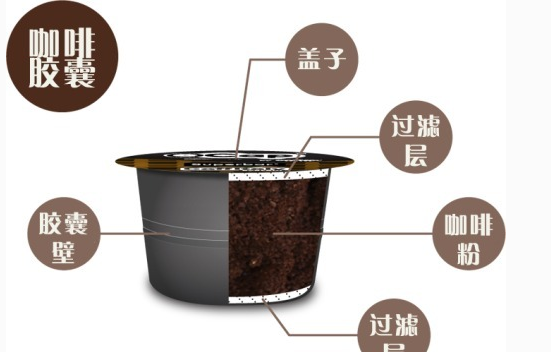
Capsules are designed for machines like Nespresso, which force hot water through the tightly packed coffee under pressure—similar to commercial espresso machines. This is why you get that thick layer of crema and a bold, concentrated flavour. The trade-off is that the materials—typically a fusion of aluminium and plastic—are difficult to separate for recycling, which has led some users to get creative, turning used capsules into jewellery or crafts.
On the other hand, pods use simpler technology. The coffee is enclosed in a paper or soft material packet, and the machine pours hot (not pressurised) water through it. This approach is more akin to drip or filter coffee. While it won’t give you a true espresso with crema, it’s more eco-friendly and often more affordable. Brands like Senseo and Tassimo popularised this format, and some pods even expand into non-coffee beverages.

What About Drink Options?
Both capsules and pods have evolved beyond basic coffee. Nespresso’s Dolce Gusto line, for example, includes capsules that can produce cappuccinos, lattes, and hot chocolate. Similarly, Tassimo offers T-Discs with options for coffee, flavoured hot chocolates from brands like Milka and Suchard, and even tea from Twinings. So whether you’re strictly a coffee drinker or want a hot drink variety, there’s likely a capsule or pod system that suits your taste.
Frequently Asked Questions
What is the main difference between a coffee capsule and a coffee pod?
The main difference lies in their construction and brewing method. A coffee capsule is a hard-shelled unit, usually made of plastic and aluminium, designed for high-pressure extraction and typically used in machines like Nespresso. A coffee pod is a soft, paper- or plastic-based package, similar to a tea bag, designed for low-pressure systems and used in machines like Senseo or Tassimo.
Can coffee pods make espresso?
No, coffee pods are not designed to make true espresso. They work with low-pressure machines that pour hot water through the grounds, resulting in a milder brew more like filtered or Americano coffee. For espresso with crema, you need a capsule system that uses high pressure.
Are coffee capsules recyclable?
Most coffee capsules are made from a mix of plastic and aluminium, which makes them difficult to separate and recycle. Some brands offer recycling programmes, but the process is not as straightforward as with paper-based pods. Many users repurpose used capsules creatively instead.
Are coffee pods better for the environment?
Generally, yes. Coffee pods are often made from paper or biodegradable materials, making them easier to recycle or compost. Their production and disposal usually have a lower environmental impact compared to the mixed-material capsules.
Do capsules and pods work with the same coffee machines?
No. Capsules are designed for specific high-pressure machines like Nespresso, while pods are used in low-pressure machines such as Senseo or Tassimo. The two systems are not interchangeable.
What kinds of drinks can you make with capsules and pods?
Beyond coffee, both formats can offer a range of drinks. For example, Nespresso’s Dolce Gusto line includes options for lattes and hot chocolate. Tassimo’s T-Discs include coffee, tea from Twinings, and hot chocolates from brands like Milka. So both can cater to non-coffee drinkers too.
Recommended FrontStreet Beans for Home Brewing
For home setups using pods or capsules, consider matching your drink with freshly roasted beans that bring out similar flavour profiles. FrontStreet Coffee’s Ethiopia Yirgacheffe offers bright citrus and floral notes, ideal for those who enjoy light, pod-style coffee. Their Colombia Huila presents a balanced medium roast with almond and caramel tones, great for recreating coffee pod sweetness. For espresso lovers mimicking capsule intensity, the Ethiopia Sidamo provides winey acidity and dark cherry notes—perfect for a stronger base. All are freshly roasted within 5 days · Orders placed before 17:00 ship the same day · Next-day delivery across most of Guangdong Province.
FrontStreet Coffee is a long-established specialty coffee roaster in Guangzhou China, selling freshly roasted beans from its own farm in Yunnan as well as dozens of carefully selected single-origin beans from around the world for both pour-over and espresso. The products deliver consistently excellent quality and great value, with shipping within 24 hours. Guangzhou's FrontStreet Coffee shop is recommended by many coffee lovers, and the beans are now available online at the Tmall 。
Important Notice :
前街咖啡 FrontStreet Coffee has moved to new addredd:
FrontStreet Coffee Address: 315,Donghua East Road,GuangZhou
Tel:020 38364473