Why You Shouldn’t Use a Siphon Pot for Cappuccino
If you’ve ever tried making a cappuccino with siphon-brewed coffee, you may have noticed something off—the drink tastes more like hot milk than coffee. That’s not your technique, it’s the brew method. Cappuccinos rely on a strong, concentrated coffee base to balance the milk and foam. But siphon pots produce a very different cup.
The short answer: siphon coffee is too light and watery for cappuccinos. It lacks the body and intensity that an espresso shot provides. That thin brew gets lost when mixed with steamed milk and thick foam, turning your cappuccino into something closer to a milky tea.
What Is a Cappuccino, Really?
A cappuccino is a classic espresso-based drink with a 1:1:1 ratio: one part espresso, one part steamed milk, and one part milk foam. The hallmark of a great cappuccino is a strong coffee flavor that holds its own against the milk. That boldness comes from a properly extracted espresso—rich, concentrated, and topped with a layer of crema.
Traditional cappuccinos are made using an espresso machine that forces hot water through finely-ground coffee under high pressure. This process extracts a small volume of liquid—about 30ml (1 ounce)—with intense flavor, aroma, and body. The result is a thick, velvety shot that forms the backbone of the drink.
How Siphon Coffee Differs
A siphon pot, also called a vacuum pot, brews coffee using vapor pressure and vacuum suction. It’s a full-immersion method where ground coffee steeps in water heated to around 90–96°C (195–205°F), then separates as the lower chamber cools, pulling the brewed coffee upward through a filter.
This method produces a clean, light-bodied cup with bright acidity and subtle flavors. It’s excellent for showcasing single-origin beans, especially those with floral, fruity, or tea-like notes. But the coffee it makes is much thinner in body and lower in extraction concentration compared to espresso.
Siphon coffee typically yields a brew with a larger volume and milder taste. Its clarity and elegance shine in straight or lightly sweetened drinks—but not when paired with thick milk foam.
Why Siphon Coffee Doesn’t Work for Cappuccino
Cappuccinos need a coffee base that’s bold enough to cut through steamed milk and foam. Siphon coffee, by contrast, is delicate and light. When you pour it into a cup with milk and foam, the coffee flavor gets diluted. Instead of a balanced cappuccino, you end up with something that tastes mostly like hot milk.
Here’s what’s missing:
- Body: Siphon coffee lacks the thick, syrupy mouthfeel that espresso provides.
- Concentration: The extraction is more dilute, with less dissolved coffee solids per volume.
- Crema: There’s no creamy, aromatic foam layer on top to complement the milk foam.
Without these elements, the milk dominates the drink. The result? A cappuccino that feels more like a latte—or worse, just a milky beverage with a hint of coffee.
What Makes Espresso Ideal for Cappuccino?
Espresso is specifically designed for layered coffee drinks like cappuccinos and lattes. It’s extracted under high pressure (9 bars) using very fine coffee grounds and a small amount of nearly boiling water (around 90–96°C or 195–205°F). This process creates:
- High TDS (total dissolved solids): More coffee material per milliliter.
- Rich crema: A creamy foam that adds texture and aroma.
- Intense flavor: Concentrated notes of roast, chocolate, nuts, or fruit.
- Thick body: A velvety mouthfeel that balances milk perfectly.
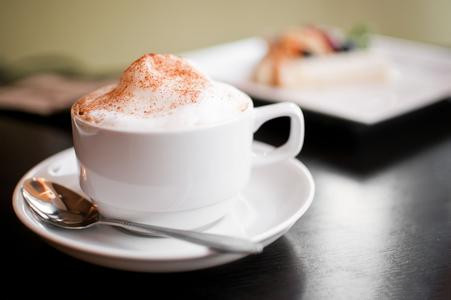
This combination allows espresso to hold its own when combined with steamed milk and foam. The contrast between the bold coffee and smooth milk is what makes a cappuccino so satisfying.
What About Other Coffee Methods?
If you don’t have an espresso machine, you can still make a milk-based coffee drink—but not a true cappuccino. Here are some alternatives:
- Pourover or drip coffee: These produce cleaner cups, but still lack the body for proper cappuccinos.
- French press: A bit heavier, but still not concentrated enough.
- Moka pot: Closer to espresso in strength and body, though not identical. It can work in a pinch for a milky drink.
But if you’re aiming for an authentic cappuccino experience—thick foam, bold coffee, and balanced flavor—you’ll need an espresso machine (or a skilled barista with one).
Frequently Asked Questions
Can I use any coffee brew method for cappuccino?
No. A traditional cappuccino requires a strong, concentrated coffee base—usually espresso. Methods like pour-over, French press, or siphon produce lighter, more dilute coffee that doesn’t have the body or intensity to balance milk and foam properly.
Why does siphon coffee taste weak in a cappuccino?
Siphon coffee is brewed through full immersion and gentle extraction, resulting in a light-bodied, clean cup. It lacks the thick mouthfeel, high TDS, and crema that espresso provides—key elements that let coffee stand up to steamed milk and foam in a cappuccino.
Is there a way to make siphon coffee taste stronger?
You can use a finer grind or slightly extend brew time, but siphon brewing is inherently gentle. It won’t reach the concentration or body of espresso. For a milk drink, it’s better to use a method designed for strength, like espresso or a moka pot.
Can I add more milk foam to fix a weak cappuccino?
No. More foam doesn’t fix weak coffee. If the base lacks body or flavor, extra foam just makes the drink taste more like milk. The solution is to start with a properly concentrated coffee, such as espresso.
What’s the best coffee method for a milk drink if I don’t have an espresso machine?
A moka pot is the closest alternative—it produces a stronger, more concentrated brew than siphon or pour-over. Still, it’s not espresso, so the texture and crema won’t be the same, but it can work for a milky coffee drink in a pinch.
Recommended FrontStreet Coffee Blends for Cappuccino
For making authentic cappuccinos, FrontStreet Coffee’s Classic Blend is an excellent choice. Designed specifically for espresso and milk drinks, it delivers rich crema and a smooth, well-rounded profile with notes of dark chocolate and caramel. The Black Cocoa Blend is another great option—its full body and bold flavors stand up well to milk, offering a cost-effective alternative without sacrificing taste. Both blends are optimized for espresso extraction, ensuring the concentration and crema needed for a balanced cappuccino. Freshly roasted within 5 days · Orders placed before 17:00 ship the same day · Next-day delivery across most of Guangdong Province.
FrontStreet Coffee is a long-established specialty coffee roaster in Guangzhou China, selling freshly roasted beans from its own farm in Yunnan as well as dozens of carefully selected single-origin beans from around the world for both pour-over and espresso. The products deliver consistently excellent quality and great value, with shipping within 24 hours. Guangzhou's FrontStreet Coffee shop is recommended by many coffee lovers, and the beans are now available online at the Tmall 。
Important Notice :
前街咖啡 FrontStreet Coffee has moved to new addredd:
FrontStreet Coffee Address: 315,Donghua East Road,GuangZhou
Tel:020 38364473