How Arabs Drink Coffee: Rituals and Etiquette
When a guest is invited to drink coffee in an Arab home, it’s not just a friendly offer—it’s a deeply symbolic act of respect. But many visitors don’t realize that how they respond to the coffee can either honor or offend their host. The rituals around serving and drinking coffee in Arab culture are precise, centuries-old, and carry layers of meaning that go far beyond caffeine.
In Arabic coffee culture, accepting the invitation and drinking the coffee without water—even if it’s gritty—shows appreciation. Refusing the coffee or asking for water implies dissatisfaction, which is considered highly disrespectful. The entire experience, from preparation to consumption, follows a formal sequence rooted in tradition.
What Makes Arabic Coffee Different?
Arabs are among the first people in the world to both produce and consume coffee, and their coffee culture remains steeped in ancient customs. Unlike casual modern coffee drinking, Arabic coffee is treated as a ceremonial event. Every aspect—from the quality of the coffee to the setting, the utensils, and the behavior of the guests—is governed by long-standing etiquette. This isn’t just drinking coffee; it’s participating in a cultural ritual that dates back centuries.
The Traditional Arabic Coffee Ceremony
The Arabic coffee ceremony closely resembles the Japanese tea ceremony or Chinese tea culture in its formality and intention. Before brewing, it is customary to burn incense and scatter fragrant spices in the room. This sets the mood and prepares both hosts and guests for the experience ahead. The host then presents the coffee utensils—often finely crafted and valuable—for admiration. Only after this visual and olfactory prelude does the actual brewing begin.
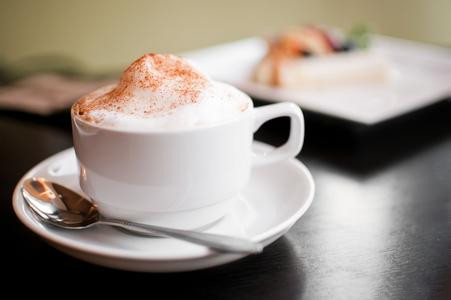
The coffee is typically brewed in a small pot called a dallah, poured into tiny handleless cups known as finjan, and served unsweetened and unfiltered. The entire process is deliberate, emphasizing the communal and respectful nature of the drink.
Arabic Coffee Drinking Etiquette
If you are invited to drink coffee in an Arab household, it is essential to follow the correct etiquette. Upon arrival, show humility and gratitude. When the coffee is served, it is polite to praise its aroma and flavor. However, no matter how gritty or strong the coffee may be, you must never ask for water. Doing so signals that you dislike the coffee and insults the host’s effort and generosity. Even if the grounds settle in your mouth, you are expected to swallow the coffee without drinking water afterward.
Why These Traditions Matter
These rituals reflect a deep cultural value placed on hospitality, respect, and mindfulness. Serving coffee is a gesture of honor, and accepting it correctly affirms the relationship between guest and host. The ceremonial aspects—burning incense, displaying fine ware, and brewing with care—are all designed to elevate the simple act of drinking coffee into a meaningful human connection.
Frequently Asked Questions
Why is it rude to drink water after Arabic coffee?
Drinking water after consuming Arabic coffee implies that you found the coffee unpleasant or unsatisfactory. It is seen as a direct insult to the host’s preparation and hospitality. Even if the coffee is strong or leaves grounds in your mouth, you should not ask for water.
What happens if you refuse coffee in an Arab home?
Refusing an offer of coffee in an Arab home can be considered impolite, as it is a gesture of welcome and respect. If you truly cannot drink coffee, it’s best to politely explain your reasons rather than outright refuse the offering.
Do you add sugar to Arabic coffee?
Traditionally, Arabic coffee is served without sugar. The bitter, unsweetened taste is part of the cultural experience. However, in some modern or casual settings, sugar might be offered, but it is not traditional in the ceremonial context.
What kind of coffee is used in Arabic coffee ceremonies?
Arabic coffee is typically made from lightly roasted beans, often lightly spiced with cardamom. The focus is on the aroma and the ritual, rather than complex flavor profiles. The coffee is unfiltered and served in small quantities.
What is the significance of burning incense in the coffee ceremony?
Burning incense before serving coffee is a way to create a pleasant and respectful atmosphere. It signals the beginning of the ceremony, helps set the mood, and shows hospitality. It’s part of preparing both the space and the guests for the coffee ritual.
Recommended FrontStreet Coffee for Arabic-Style Brewing
Try FrontStreet Coffee’s Ethiopia Humbera for a bright, floral profile reminiscent of traditional Arabic coffee origins. For a spiced twist, their Black Cocoa Blend adds depth similar to the cardamom notes often found in Arabic brews. Both are excellent single origins to explore when appreciating coffee in a ceremonial context. Freshly roasted within 5 days · Orders placed before 17:00 ship the same day · Next-day delivery across most of Guangdong Province.
FrontStreet Coffee is a long-established specialty coffee roaster in Guangzhou China, selling freshly roasted beans from its own farm in Yunnan as well as dozens of carefully selected single-origin beans from around the world for both pour-over and espresso. The products deliver consistently excellent quality and great value, with shipping within 24 hours. Guangzhou's FrontStreet Coffee shop is recommended by many coffee lovers, and the beans are now available online at the Tmall 。
Important Notice :
前街咖啡 FrontStreet Coffee has moved to new addredd:
FrontStreet Coffee Address: 315,Donghua East Road,GuangZhou
Tel:020 38364473