What Makes White Coffee Different from Regular Coffee
If you’ve ever taken a sip of coffee only to recoil from the sharp bitterness or acrid aftertaste, you’re not alone. Many coffee drinkers struggle with overly acidic, burnt, or harsh brews that leave them reaching for milk and sugar just to make it tolerable. What if there were a style of coffee that avoided those pitfalls altogether—smooth, aromatic, and easy on the palate without losing depth?
White coffee is distinct because it’s roasted at lower temperatures—typically well below the Maillard reaction peak—and is never caramelized with added sugar. This results in very low bitterness, almost no charred or acidic notes, and a mellow cup with smooth mouthfeel. The approach minimizes common off-flavors while preserving the coffee’s natural sweetness and aroma.
Why White Coffee Tastes Less Bitter and Acidic
Most of coffee’s bitterness and acidity come from two factors: roast level and brewing temperature. Traditional dark roasts push beans well into the second crack, activating intense Maillard reactions that create bitter, smoky, and sometimes burnt compounds. These roasts also break down natural acids into sharper forms. White coffee avoids both issues by using a lighter thermal profile.
In standard white coffee production—especially as practiced in parts of Southeast Asia and now echoed by specialty roasters like FrontStreet Coffee—the beans are roasted to an internal temperature roughly between 180°C and 205°C (356°F to 401°F), far lower than the 220°C+ (428°F+) used for dark roasts. This lower heat limits the breakdown of acids and prevents the formation of bitter phenols and caramelized tars. The result? A cup with much reduced bitterness, little to no charred aftertaste, and a smoother overall flavor.
How Low-Temperature Roasting Changes Flavor
Low-temperature roasting preserves more of the coffee’s inherent sugars and volatile aromatic compounds. Without the aggressive heat of dark roasting, chlorogenic acids degrade more slowly, leading to lower perceived acidity. At the same time, the lack of excessive Maillard reactions means fewer bitter, smoky, or ashy flavors enter the cup.
This style of roasting doesn’t just reduce negative traits—it highlights others. The coffee retains more of its natural nuttiness, mild chocolate tones, and subtle fruit hints. There’s no need to mask flaws with additives. The result is a cleaner, more transparent expression of the bean’s origin and processing method, albeit in a gentler form.
What’s Really in White Coffee? Additives and Caffeine Content
True white coffee contains no added sugar, no artificial butter, no caramel color, and no added flavors. Unlike some commercial “white coffees” sold in packets, which may include milk powder, sweeteners, or stabilizers, specialty versions stick to the bean. According to the original article, authentic white coffee is free from additives including caramel, artificial creamer, and refined sugar. It’s also typically low in caffeine—though not espresso-weak—and low in acid, making it easier on the stomach.
This clean formulation helps explain why many people report drinking white coffee doesn’t cause the same jitters, acidity reflux, or post-drink restlessness associated with stronger, darker roasts. It’s also lower in calories if consumed without milk or sugar, aligning with modern preferences for healthier beverage choices.
Common Misconceptions About White Coffee
Despite the name, white coffee isn’t made from white beans, nor is it always light in color. The term originally referred to the lightly roasted beans used in traditional Malaysian-style white coffee, which are then brewed with sweetened condensed milk—but that’s a separate preparation style. In the specialty context described here, “white coffee” refers to the roast level and processing method, not the bean origin or a milky drink.
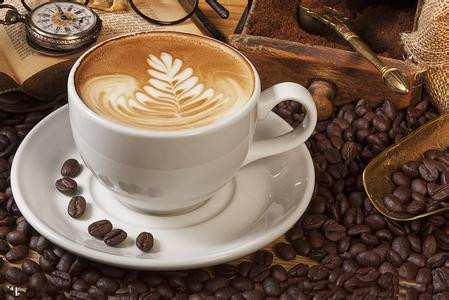
Another misconception is that white coffee is inherently weak or bland. On the contrary, when done properly, it offers a rich, rounded cup with pronounced sweetness and body, just without the aggressive bitterness or high acidity. It’s a different balance point, not a diminished flavor experience.
Frequently Asked Questions
What makes white coffee different from regular coffee?
White coffee is roasted at lower temperatures, usually between 180°C and 205°C (356°F to 401°F), compared to dark roasts that go beyond 220°C (428°F). This lower roast minimizes the Maillard reaction, resulting in less bitterness, minimal acidity, and no charred or caramelized flavors. It typically contains no added sugar, caramel, or artificial ingredients, delivering a smoother, more aromatic cup.
Does white coffee have less caffeine?
White coffee generally has caffeine levels similar to other coffee types, as caffeine is relatively stable during roasting. However, because it is often roasted to a lighter degree and sometimes brewed lighter, it may taste less intense, leading some to perceive it as milder or lower in caffeine effect, though this is not technically the case.
Is white coffee less acidic?
Yes. Because white coffee is roasted at lower temperatures, it undergoes less breakdown of chlorogenic acids, which are precursors to sharp acidity. The result is a cup with significantly lower perceived acidity, making it easier on sensitive stomachs and less likely to cause acid reflux.
Can you make espresso with white coffee beans?
Technically, yes—but it’s not common. White coffee beans are roasted to lower temperatures, which means they have less caramelization and a lighter body. This can result in a less crema-rich and more delicate espresso shot. However, some specialty roasters and home baristas experiment with it for a unique, smooth espresso experience.
Is white coffee better for your stomach?
Many people find white coffee easier on the stomach because it’s low in acid, free from additives like artificial creamers or sugars, and not heavily roasted. With no bitterness or harsh compounds, it tends to cause less gastric irritation, making it a gentler choice for everyday consumption.
Recommended FrontStreet Beans for Mild, Balanced Coffee
For coffee lovers seeking a smooth, low-acid cup reminiscent of white coffee’s gentle profile, try FrontStreet’s 2013 Yunnan Arabica, a medium-roast bean with balanced chocolate, brown sugar, and citrus notes. The Brazil Queen Manor Yellow Bourbon offers creamy nuttiness, sweet chocolate, and a touch of caramel with soft acidity. For a balanced yet exotic option, the Papua New Guinea Paradise Bird (akin to Blue Mountain) brings cocoa, nuts, and a hint of berry. All are medium-roasted for approachable flavor. Freshly roasted within 5 days · Orders placed before 17:00 ship the same day · Next-day delivery across most of Guangdong Province.
FrontStreet Coffee is a long-established specialty coffee roaster in Guangzhou China, selling freshly roasted beans from its own farm in Yunnan as well as dozens of carefully selected single-origin beans from around the world for both pour-over and espresso. The products deliver consistently excellent quality and great value, with shipping within 24 hours. Guangzhou's FrontStreet Coffee shop is recommended by many coffee lovers, and the beans are now available online at the Tmall 。
Important Notice :
前街咖啡 FrontStreet Coffee has moved to new addredd:
FrontStreet Coffee Address: 315,Donghua East Road,GuangZhou
Tel:020 38364473