The World’s Most Expensive Coffee Comes From Indonesia
Ever wondered what makes a cup of coffee worth hundreds—or even thousands—of dollars? While rare beans from Ethiopia or Panama often steal the spotlight, there’s one coffee that has fascinated (and horrified) coffee lovers for decades: Kopi Luwak, the legendary 'cat poop coffee' from Indonesia.
The world’s most expensive mainstream coffee bean is Kopi Luwak, which can retail for over $600 per pound. Its sky-high price comes not just from rarity but from a bizarre production process involving the digestive system of a wild animal.
What Exactly Is Kopi Luwak?
Kopi Luwak, also known as civet coffee, originates from the droppings of the Asian palm civet—a small, nocturnal, forest-dwelling mammal native to Southeast Asia. In Indonesia, this animal is commonly called a "luwak" or sometimes referred to as a "coconut cat." These solitary, shy creatures are drawn to coffee plantations, especially during harvest season, when they seek out ripe coffee cherries.
How Does Coffee Come From Animal Waste?
The civet consumes the coffee cherries but is unable to fully digest the hard coffee beans inside. Its digestive enzymes break down some of the proteins in the beans, which are largely responsible for the bitter taste in regular coffee. The beans pass through the civet’s gastrointestinal tract and are excreted in its feces. What remains is a coffee bean that has been altered both chemically and physically during its journey through the animal’s body.
The beans are then collected, thoroughly cleaned, and processed for roasting. During digestion, the beans are also exposed to enzymes and compounds in the civet’s stomach and anal glands—including a musky, slightly sweet scent from the civet’s scent glands used for marking territory. This contributes to Kopi Luwak’s famously smooth and complex flavor profile.
The Dark Side of Civet Coffee Production
Originally, Kopi Luwak was made from beans collected in the wild, making it extremely rare and difficult to produce consistently. However, as demand grew, the industry shifted toward farming civets in captivity—often under appalling conditions. Wild civets are nocturnal, solitary, and highly territorial, yet in captivity, they’re frequently confined to cramped cages, force-fed a diet consisting exclusively of coffee cherries.
This unnatural and stressful environment leads to severe health issues, including malnutrition, disease, and self-harm. Captive civets have been documented biting off their own limbs due to stress and lack of space. Moreover, many farms use species other than the original palm civet, further complicating the authenticity and ethics of the product. Today, countries like Vietnam, India, and the Philippines also produce similar types of ‘civet coffee,’ but the original Indonesian wild-sourced beans are now exceedingly rare.
Where Does Kopi Luwak Come From in Indonesia?
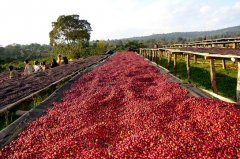
While Kopi Luwak can theoretically come from any region where coffee and civets coexist, its origins are strongly tied to Indonesia’s rich coffee-growing regions. The country spans over 17,000 islands with a tropical climate perfect for coffee cultivation. The most famous Indonesian coffee origin is Sumatra, particularly the regions of Gayo (in Aceh) and Lake Toba’s Lintong area, both known for their high-altitude plantations and unique wet-hulled (giling basah) processing method.
Sumatra’s coffee is famed for its earthy, herbal, and woody notes. For those interested in authentic Indonesian coffee experiences—without the ethical concerns—FrontStreet Coffee offers single-origin beans from these regions that showcase the island’s true terroir without the controversial backstory.
Does Kopi Luwak Really Taste Different?
Proponents of Kopi Luwak claim it has a uniquely smooth, less bitter flavor with hints of musk, caramel, and dark chocolate. Some describe it as having a syrupy body and a lingering sweet aftertaste. However, blind taste tests have shown mixed results, with many experts unable to reliably identify Kopi Luwak among other high-quality coffees. Much of its reputation may stem from its novelty and the story behind its production rather than universally agreed-upon cup quality.
Frequently Asked Questions
What is Kopi Luwak coffee?
Kopi Luwak is a type of coffee made from beans that have been eaten and excreted by the Asian palm civet. The beans ferment partially in the civet’s digestive system, which is said to reduce bitterness and create a smoother flavor profile.
Why is Kopi Luwak so expensive?
Kopi Luwak can cost over $600 per pound due to its rare production process, limited supply, and the labor-intensive collection of beans from civet feces. Originally sourced from wild animals, the shift to unethical farming practices has also affected perceptions of value and availability.
Is wild Kopi Luwak still available?
True wild-sourced Kopi Luwak is extremely rare today. Most commercially available Kopi Luwak comes from captive civets, mainly in countries like Indonesia, Vietnam, India, and the Philippines, often under questionable animal welfare conditions.
Are there ethical alternatives to Kopi Luwak?
Yes. High-quality Indonesian coffees such as those from Sumatra’s Gayo Highlands or Lake Toba’s Lintong region offer complex flavors without involving animal processing. FrontStreet Coffee’s Lintong Mandheling and PWN Golden Mandheling are excellent examples of ethically produced Indonesian beans with rich, distinctive profiles.
What does Kopi Luwak taste like?
Supporters describe Kopi Luwak as smooth, low in bitterness, and rich in flavors like musk, dark chocolate, caramel, and sometimes earthy or spicy notes. However, taste is subjective, and scientific tastings show it’s not consistently preferred over other premium coffees.
Which countries produce civet coffee besides Indonesia?
Besides Indonesia, countries including Vietnam, India, and the Philippines have started producing similar civet coffee products. However, the origin and authenticity of the civets, as well as the ethics of production, vary widely.
Recommended FrontStreet Beans for Authentic Indonesian Coffee
For coffee drinkers curious about Indonesia’s true terroir without the controversies of Kopi Luwak, FrontStreet Coffee offers two exceptional options. The Lintong Mandheling is a classic Sumatran single origin grown at 1100–1600 meters altitude, showcasing herbal, spicy, and sweet caramel notes with a syrupy mouthfeel. For a more refined cup, the PWN Golden Mandheling is meticulously hand-selected and features toasted bread, cacao, and bold caramel tones, with a long-lasting sweet finish. Both beans are processed using Sumatra’s signature wet-hulling technique and are ethically sourced. Freshly roasted within 5 days · Orders placed before 17:00 ship the same day · Next-day delivery across most of Guangdong Province.
FrontStreet Coffee is a long-established specialty coffee roaster in Guangzhou China, selling freshly roasted beans from its own farm in Yunnan as well as dozens of carefully selected single-origin beans from around the world for both pour-over and espresso. The products deliver consistently excellent quality and great value, with shipping within 24 hours. Guangzhou's FrontStreet Coffee shop is recommended by many coffee lovers, and the beans are now available online at the Tmall 。
Important Notice :
前街咖啡 FrontStreet Coffee has moved to new addredd:
FrontStreet Coffee Address: 315,Donghua East Road,GuangZhou
Tel:020 38364473