What Is Hawaiian Kona Coffee? All You Need to Know
If you’ve ever wondered what sets Hawaiian Kona coffee apart from other single-origin beans, you’re not alone. This premium coffee commands prices close to Jamaica Blue Mountain No.1—yet many buyers don’t know what truly qualifies as Kona or why it’s so special. Let’s break down the facts.
Kona coffee can only be called such if it’s grown in a specific 20-mile-long, 2-mile-wide zone on the slopes of Hualalai and Mauna Loa volcanoes in southwest Hawaii, between 150 and 750 meters altitude, and certified under strict regulations. That small growing area is the reason true Kona is both rare and highly valued.
What Makes Kona Coffee Special?
Hawaiian Kona is 100% Arabica coffee grown in volcanic soil on the slopes of active volcanoes. The region enjoys a unique microclimate: gentle morning sun filters through moist air, followed by afternoon fog and cloud cover that shields the trees, then cool, frost-free nights. These conditions create ideal growth and ripening environments. The result? A coffee bean that’s visually striking—large, glossy, and uniform—with a flavor profile that’s clean, medium-bodied, mildly acidic, and richly aromatic, with a long-lasting finish.
Kona Coffee Flavor & Profile
Kona coffee offers a bright, clean cup with moderate body. Its acidity is mild yet distinct, and it delivers a complex aroma with hints of fruit, spice, and wine. The aftertaste lingers pleasantly. Some tasters detect overlapping notes of berry, citrus, and floral elements, while others note a smooth, almost “gentle” character compared to the boldness of Sumatra or the wine-like intensity of Ethiopian Yirgacheffe. Though some may find it too subtle, those who enjoy a nuanced, easy-drinking coffee often praise Kona’s approachable profile. It doesn’t hit you over the head—it invites you in.
Kona Coffee Grades Explained
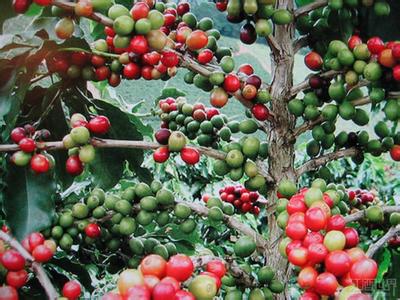
Kona coffee is classified into four grades:
- Extra Fancy
- Fancy
- Prime
- Gr. No.1
The grading is based on bean size, shape, defects, and moisture content. Extra Fancy is the highest grade, indicating larger, more uniform beans with fewer defects. As the grade descends, tolerance for imperfections increases. These distinctions directly affect cup quality and market price.
Why Is Kona Coffee So Expensive?
Several factors drive up the cost of genuine Kona coffee. First, its growing region is extremely limited—just a 20×2-mile stretch of volcanic slopes. Second, production costs are high due to manual labor, small farm sizes, and strict certification. Third, demand for this premium-origin coffee has risen steadily. As a result, prices for top-grade Kona now rival those of Jamaica Blue Mountain No.1. High-quality Kona is increasingly hard to find outside Hawaii, and what is available often sells at a premium.
What About Kona Blends?

Be cautious with “Kona Blend” labels. In Hawaii, blends can legally contain as little as 10% actual Kona beans—the rest may be lower-grade Latin American or Asian coffees. Outside Hawaii, the percentage could be even lower. If you’re paying for Kona, make sure it’s 100% Kona, not a blend. Always check the label: 100% Kona will be clearly stated, while “Kona Blend” is a red flag for diluted content.
Kona Coffee Plant Characteristics
Kona coffee beans are celebrated not just for their flavor but also for their appearance. They are notably large, round, and have a shiny, almost polished look. The trees thrive in the rich, volcanic soil and mild climate, benefiting from careful, high-input cultivation. The combination of environment and human care produces what some describe as the “coffee equivalent of a well-tended orchid”—visually appealing, delicately flavored, and distinctly refined.
Frequently Asked Questions
Where is Kona coffee grown?
Kona coffee is grown only in a small region on the slopes of Hualalai and Mauna Loa volcanoes in southwest Hawaii. The designated area stretches 20 miles long and 2 miles wide, between 150 and 750 meters above sea level. This location is the only one where coffee can be officially labeled as Kona.

What does Kona coffee taste like?
Kona coffee has a clean, medium body with mild acidity. It features a complex aroma with notes of fruit, spice, and wine, and offers a long, pleasant aftertaste. Flavors may include hints of berry, citrus, and floral tones, often described as smooth and approachable.
How is Kona coffee graded?
Kona coffee is graded into four levels: Extra Fancy, Fancy, Prime, and Gr. No.1. Grading is based on bean size, shape, defect count, and moisture content. Extra Fancy is the highest grade, indicating premium-quality beans with few defects.
Why is Kona coffee so expensive?
Kona coffee is expensive due to its limited growing area (only 20×2 miles), high production costs, and strong market demand. The combination of small-scale farming, manual labor, and strict certification contributes to its premium price, often comparable to Jamaica Blue Mountain No.1.
What is Kona Blend coffee?
Kona Blend coffee can legally contain as little as 10% actual Kona beans in Hawaii, and even less elsewhere. The rest is typically made up of cheaper, non-Kona beans. Always check labels carefully—if it doesn’t say 100% Kona, it’s a blend.
Recommended FrontStreet Beans for Kona Fans
If you enjoy the clean, bright profile of Hawaiian Kona, try FrontStreet’s Ethiopia Humbera for its floral, berry, and citrus notes, or their Brazil Queen Manor for a smooth, nutty base with hints of caramel. For something more complex, their Panama Humbera offers vibrant acidity and tropical fruit flavors. All are single-origin coffees with distinct, high-quality profiles. Freshly roasted within 5 days · Orders placed before 17:00 ship the same day · Next-day delivery across most of Guangdong Province.
FrontStreet Coffee is a long-established specialty coffee roaster in Guangzhou China, selling freshly roasted beans from its own farm in Yunnan as well as dozens of carefully selected single-origin beans from around the world for both pour-over and espresso. The products deliver consistently excellent quality and great value, with shipping within 24 hours. Guangzhou's FrontStreet Coffee shop is recommended by many coffee lovers, and the beans are now available online at the Tmall 。
Important Notice :
前街咖啡 FrontStreet Coffee has moved to new addredd:
FrontStreet Coffee Address: 315,Donghua East Road,GuangZhou
Tel:020 38364473